
Abstract art has always been a powerful way for artists to express emotions, ideas, identity, and personal experiences without relying on realistic images. Now, a major exhibition in New York is bringing an important part of this artistic history into the spotlight. The Hard Art Exhibition at MoMA PS1 celebrates the creativity, influence, and lasting contributions of Black abstract artists in the United States.
Opening on November 5, 2026, the exhibition brings together historical and contemporary artworks that explore how abstraction has developed across different generations. It features paintings, sculptures, video, sound, and other creative forms, offering visitors an opportunity to understand abstract art from fresh perspectives.
With more than 90 artworks by over 40 artists, Hard Art is an important cultural event for anyone interested in modern art, contemporary creativity, and the stories behind artistic movements. It connects the achievements of earlier artists with the experimental ideas of today’s creative voices.
In this article, we explore the Hard Art Exhibition at MoMA PS1, its theme, participating artists, major artworks, historical background, and why this exhibition deserves attention from art lovers around the world.
What Is the Hard Art Exhibition at MoMA PS1?
The Hard Art Exhibition at MoMA PS1 is a major group exhibition examining the history and continuing influence of abstraction by Black artists in the United States from 1969 to the present day.
The exhibition explores how artists have used abstract forms to communicate ideas, challenge traditional expectations, and create new ways of looking at the world.
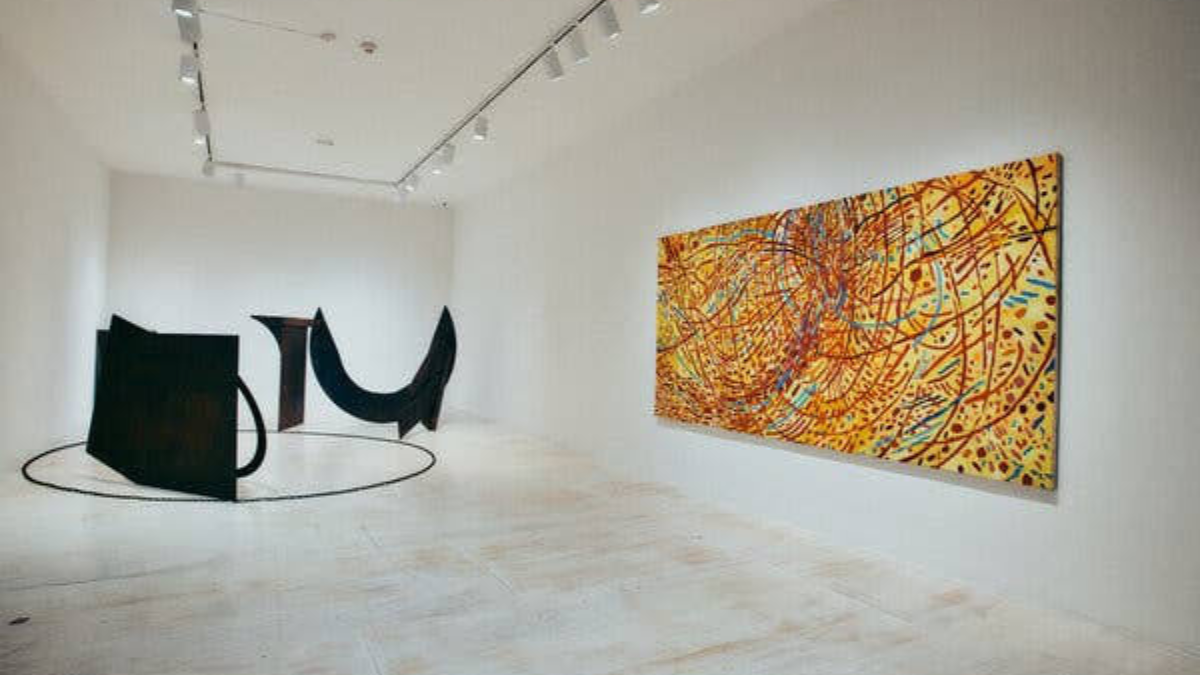
Rather than presenting abstract art as a single style, the exhibition shows that abstraction can take many forms. Some artists use expressive colors and large painted surfaces, while others experiment with sculpture, unusual materials, sound, moving images, and conceptual installations.
The show brings together artists who became influential during the 1970s and younger creators who are developing new approaches to abstract expression.
This combination makes the exhibition especially interesting because visitors can see how artistic ideas change while still maintaining connections with earlier generations.
According to the official exhibition announcement, Hard Art includes more than 90 works by over 40 artists. It is on view from November 5, 2026, through March 15, 2027, at MoMA PS1 in Long Island City, New York. MoMA Press+1
Suggested image: Installation view of the Hard Art exhibition at MoMA PS1.
Where Is MoMA PS1 Located?
MoMA PS1 is a contemporary art institution located in Long Island City, Queens, New York. It is part of the Museum of Modern Art’s wider cultural network and is known for presenting experimental art, emerging creative voices, and important contemporary exhibitions.
The museum provides a space where visitors can experience different forms of artistic expression outside traditional museum presentations.
Its location in Queens also makes it an important part of New York City’s wider art community. Visitors can explore contemporary art while discovering the creative atmosphere of Long Island City.
The Hard Art Exhibition at MoMA PS1 fits naturally into this environment because it brings together artists, ideas, and artistic approaches from different periods.
Museum location: 22-25 Jackson Avenue, Long Island City, New York, USA.
For updated visitor information, opening hours, and admission details, visitors should check the official MoMA PS1 website.
When Does the Hard Art Exhibition Take Place?
The exhibition opened to the public on November 5, 2026, and is scheduled to remain on view until March 15, 2027.
This gives art lovers several months to explore its collection and discover the different approaches to abstraction presented throughout the galleries.
The exhibition is particularly valuable for visitors who want to understand the relationship between historical abstract painting and contemporary artistic practices.
It also provides an opportunity for students, researchers, artists, and general visitors to learn about artists whose contributions deserve greater attention in art history.
| Exhibition detail | Information |
|---|---|
| Exhibition name | Hard Art |
| Venue | MoMA PS1 |
| Opening date | November 5, 2026 |
| Closing date | March 15, 2027 |
| Location | Long Island City, Queens, New York |
| Artists | More than 40 |
| Artworks | More than 90 |
| Main theme | Black abstraction in the United States |
| Period covered | 1969 to the present |
MoMA Press+1
Why Is the Hard Art Exhibition Important?
The importance of the Hard Art Exhibition at MoMA PS1 goes beyond displaying beautiful paintings and creative installations. It also highlights artists and artistic traditions that have sometimes received less attention in mainstream art history.
Black artists have played an important role in shaping modern and contemporary art. Their work has challenged conventional ideas about painting, sculpture, materials, and artistic expression.
However, the history of abstraction has often been discussed through a limited group of well-known movements and artists. This exhibition creates an opportunity to explore a broader story.
It highlights several important ideas:
1. Recognizing Black artists: The exhibition brings attention to the achievements of Black artists across multiple generations.
2. Connecting different generations: Historical artworks appear alongside recent creative practices, allowing visitors to understand how artistic ideas develop over time.
3. Expanding abstract art: The exhibition demonstrates that abstraction is not limited to colorful shapes or unusual patterns. It can include sound, sculpture, video, and experimental materials.
4. Exploring cultural identity: Many abstract works encourage viewers to think about history, society, identity, and the experiences that influence creative expression.
5. Supporting contemporary creativity: By presenting established and emerging artists together, the exhibition shows that abstraction continues to develop in exciting ways.
These ideas make Hard Art an important exhibition for understanding the wider history of American abstract art.
The Meaning Behind the Name Hard Art
The title Hard Art is interesting because it encourages visitors to think about what makes an artwork challenging, complex, or difficult to understand.
According to MoMA PS1, the exhibition’s title comes from artist Peter Bradley’s description of The DeLuxe Show. That historic exhibition used the perceived complexity and openness of abstraction as an invitation for deeper engagement with art.
In other words, abstract art does not always provide an immediate answer. Sometimes, viewers need to spend time looking at a painting, thinking about its shapes, and considering the emotions or ideas it might communicate.
A work may appear simple at first but reveal more meaning through careful observation.
The title also reflects an important artistic question: Does art need to be easy to understand to be meaningful?
The exhibition suggests that challenging artwork can create valuable conversations. Visitors do not have to interpret every piece in exactly the same way. Their individual experiences and perspectives can become part of the artistic journey.
This approach makes the exhibition especially interesting for people who enjoy exploring the deeper meanings of contemporary art. MoMA PS1
Famous Artists Featured in the Hard Art Exhibition
One of the strongest features of the Hard Art Exhibition at MoMA PS1 is its impressive selection of participating artists.
The exhibition brings together artists from different generations, backgrounds, and creative traditions. Some became influential during the 1970s, while others represent newer developments in contemporary art.
Here are some notable artists included in the exhibition.
1. Frank Bowling

Frank Bowling is an internationally recognized artist known for his expressive abstract paintings. His work often features rich colors, layered surfaces, and experimental techniques.
Born in Guyana, Bowling developed an artistic career that connected different cultural and geographical experiences. His paintings explore color, movement, memory, and the possibilities of abstraction.
His participation helps demonstrate how abstract painting developed through international artistic influences.
2. Mark Bradford
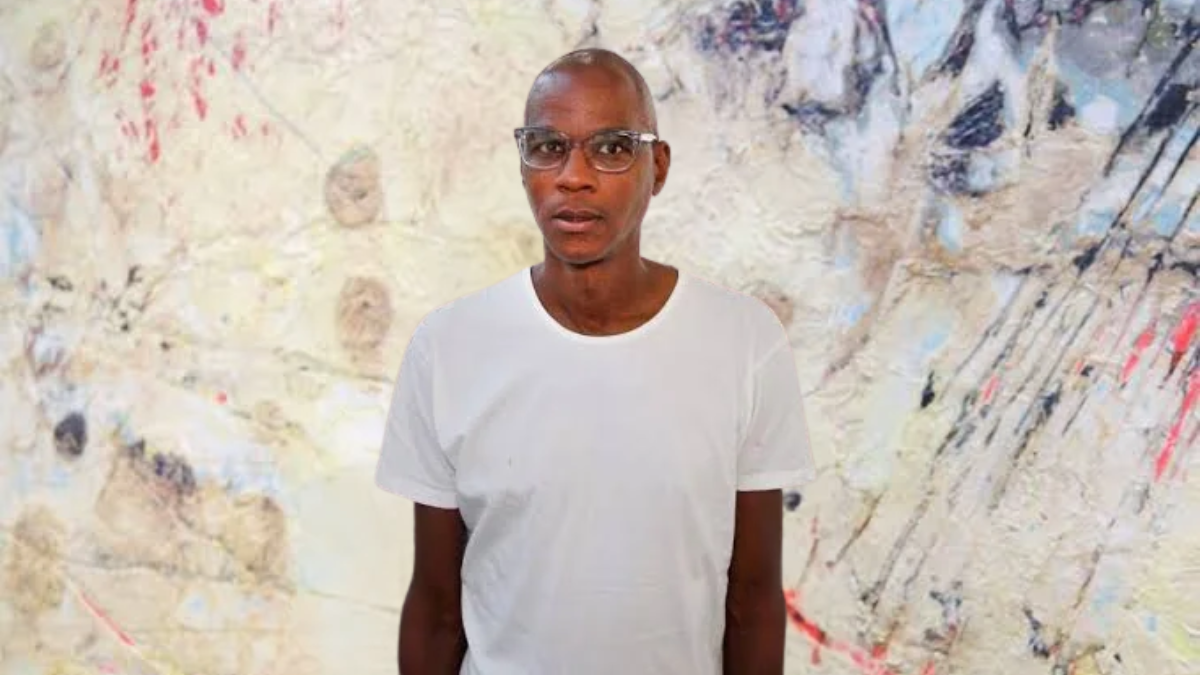
Mark Bradford is known for creating large-scale abstract works using unconventional materials.
His artistic practice often includes paper, advertisements, printed material, and other elements collected from everyday environments.
By layering and transforming these materials, Bradford creates textured compositions that can explore urban life, social structures, and cultural experiences.
His work demonstrates that abstract art can communicate ideas about the world around us without relying on traditional realistic images.
3. Peter Bradley

Peter Bradley is an important figure in the history of American abstract painting.
His work often features energetic brushstrokes, expressive color, and large compositions. He has also played an important role in promoting abstract artists and supporting artistic communities.
His painting Circle of Fifths from 1973 is among the works identified in the exhibition materials.
Bradley’s connection to the exhibition is especially meaningful because the title Hard Art comes from his description of The DeLuxe Show.
4. Barbara Chase-Riboud

Barbara Chase-Riboud is known for combining sculpture, textiles, and different materials to create powerful artistic forms.
Her work often explores history, memory, identity, and cultural connections.
She demonstrates how abstract expression can move beyond traditional painting. Her sculptural approach encourages visitors to consider the relationship between materials, shape, and meaning.
5. Ed Clark

Ed Clark was an influential American abstract painter recognized for his experimental approach to painting.
He explored large surfaces, bold colors, and unusual painting techniques. His creative practice helped expand the possibilities of abstract expression.
His work is an important part of the historical story presented in Hard Art.
6. Melvin Edwards
Melvin Edwards was widely recognized for his powerful metal sculptures.
His work frequently uses welded steel and industrial materials to create complex forms. His artistic practice also explored history, memory, and social experiences.
His inclusion demonstrates how sculpture can become an important part of abstract art.
7. Jennie C. Jones
Jennie C. Jones is a contemporary artist whose work explores the relationship between visual art and sound.
Her practice often combines painting, sculpture, and acoustic elements. She investigates how sound can influence the way people experience spaces and objects.
Her approach expands the meaning of abstraction beyond what visitors simply see.
8. Joe Overstreet
Joe Overstreet was an influential artist known for experimenting with abstract painting and unconventional canvas arrangements.
His work challenged traditional ideas about how paintings should be displayed.
He was also connected to important artistic and cultural movements that supported greater visibility for Black artists.
His historical contribution makes him an important figure in the exhibition.
9. Raymond Saunders
Raymond Saunders was known for his experimental approach to painting and mixed media.
His work often combined different textures, materials, marks, and visual elements. He explored the possibilities of combining familiar objects with abstract artistic forms.
His work encourages viewers to look beyond traditional definitions of painting.
10. Torkwase Dyson
Torkwase Dyson is a contemporary artist whose practice explores space, movement, architecture, and environmental relationships.
She frequently uses geometric forms and sculptural installations to investigate how people interact with their surroundings.
Her work helps connect abstraction with larger questions about space, geography, and human experience.
11. Nikita Gale
Nikita Gale is a contemporary artist who works across sculpture, installation, sound, and other creative formats.
Her practice explores subjects such as visibility, power, performance, and the systems that influence how people experience culture.
Her inclusion demonstrates the experimental direction of contemporary abstract and conceptual art.
12. Suzanne Jackson
Suzanne Jackson is an artist known for her paintings and experimental approaches to materials.
Her work often explores color, transparency, texture, and layered surfaces.
She has also contributed to the wider artistic community through her involvement in creative spaces and cultural activities.
Her work represents the diversity of artistic approaches included in Hard Art.
13. Aria Dean
Aria Dean is a contemporary artist, writer, and thinker whose work explores identity, culture, technology, and visual representation.
Her practice includes conceptual approaches that challenge traditional expectations about art and its meaning.
Her participation adds another perspective to the exhibition’s exploration of contemporary artistic ideas.
14. Eric N. Mack
Eric N. Mack is known for creating colorful abstract installations using fabric, painting, and unconventional materials.
His work often combines textile elements with expressive compositions that move between painting and sculpture.
Rather than following traditional canvas formats, he creates artworks that interact with space and movement.
15. SoiL Thornton
SoiL Thornton is a contemporary artist known for experimental mixed-media works.
Their practice combines different materials and visual elements to challenge conventional ideas about identity, representation, and artistic categories.
Their work reflects the exhibition’s interest in new approaches to abstraction.
Note: These are selected participating artists, not a complete list. The exhibition includes more than 40 artists. MoMA PS1+1
What Types of Art Can Visitors Expect to See?
The Hard Art Exhibition at MoMA PS1 is not limited to traditional abstract paintings. It brings together different artistic formats to demonstrate how creative expression can take many forms.
Visitors can expect to encounter several types of artwork.
Abstract Paintings
Painting is an important part of the exhibition. Visitors can explore compositions featuring expressive colors, unusual shapes, layered surfaces, and experimental techniques.
These paintings demonstrate how artists can communicate ideas without creating recognizable pictures of people, buildings, or landscapes.
Sculptures
Sculpture adds another dimension to the exhibition.
Artists use materials such as metal, fabric, and other unconventional elements to create three-dimensional works.
Unlike paintings, sculptures allow visitors to experience artistic forms from different angles and understand how they occupy physical space.
Video and Moving Images
Video introduces movement and time into the artistic experience.
Contemporary artists can use moving images to explore ideas that might be difficult to communicate through traditional painting alone.
Sound-Based Art
Sound also plays a role in contemporary abstraction.
Some artists explore how sound, silence, rhythm, and physical space influence the way people experience art.
Experimental Mixed Media
Mixed-media artworks combine different materials and techniques within a single composition.
These works can include fabric, paper, paint, metal, and other elements.
The combination of different materials makes each artwork visually distinctive and demonstrates how artists continue to experiment with creative possibilities. MoMA PS1+1
The Historical Background of Black Abstract Art
To understand the importance of this exhibition, it helps to explore the history of Black abstract art in the United States.
During the twentieth century, many Black artists worked to establish their voices in an art world where opportunities for recognition and representation were often limited.
Some artists explored figurative painting, while others became interested in abstraction and experimental forms.
Abstract art offered a way to explore personal experiences, artistic freedom, and complex ideas through color, shape, texture, and composition.
During the 1960s and 1970s, Black artists increasingly developed creative spaces, organizations, and exhibitions that supported their artistic communities.
These developments helped create opportunities for artists to experiment and present their work to wider audiences.
Artists such as Ed Clark, Sam Gilliam, Frank Bowling, Peter Bradley, and Joe Overstreet contributed to important developments in abstract painting and sculpture.
Their work demonstrated that abstraction could be both visually innovative and deeply connected to cultural and historical experiences.
The Hard Art Exhibition at MoMA PS1 brings attention to this important history by connecting earlier artistic achievements with contemporary creative practices.
How the Exhibition Connects Historical and Contemporary Art
One of the most interesting aspects of Hard Art is its cross-generational approach.
Instead of separating older artists from younger creators, the exhibition places different artistic generations within a shared conversation.
Historical paintings from artists who became prominent during the 1970s appear alongside recent works by contemporary artists.
This arrangement allows visitors to notice similarities and differences between artistic approaches.
For example, an earlier artist might explore abstraction through expressive brushstrokes and large canvases. A contemporary artist might explore similar questions through sound, fabric, sculpture, or digital media.
Both approaches can investigate the relationship between form, space, emotion, and meaning.
The exhibition therefore demonstrates that abstract art is not a finished historical movement.
It remains an active and evolving field where new generations can build upon earlier achievements while developing their own ideas.
This connection between past and present is one of the exhibition’s most valuable contributions.
The Role of Curators in the Hard Art Exhibition
A major exhibition requires careful research, organization, and artistic planning.
The Hard Art Exhibition at MoMA PS1 is organized by Connie Butler, the Agnes Gund Director, with Sheldon Gooch, Curatorial Assistant. June Kitahara provides exhibition research and support.
Their work helps bring together different artists, artworks, and historical perspectives into one coherent presentation.
Curators play an important role in deciding how artworks are selected, arranged, and presented to visitors.
They also help establish connections between individual artworks and larger cultural or historical themes.
In Hard Art, the curatorial approach focuses on three generations of artists and the continuing influence of Black abstraction.
This structure gives visitors a broader understanding of how the movement has developed and why it remains relevant today. MoMA PS1
The Hard Art Exhibition Publication
Another important part of the exhibition is its accompanying illustrated publication.
The publication includes essays by several contributors, including Connie Butler, Jessica Bell Brown, Aria Dean, Torkwase Dyson, Rindon Johnson, and Erich Kessel.
It also features an illustrated chronology of significant museum exhibitions prepared by June Kitahara and Sheldon Gooch.
This publication offers another way to explore the ideas behind Hard Art.
Visitors and art researchers can use such material to learn more about the artists, historical developments, and cultural conversations connected to the exhibition.
An illustrated publication is particularly valuable because it can preserve information about an exhibition beyond its closing date.
It also allows readers to revisit the artworks and ideas after leaving the museum. MoMA PS1+1
Why Art Lovers Should Visit Hard Art at MoMA PS1
There are several reasons why the Hard Art Exhibition at MoMA PS1 deserves attention from art lovers.
Discover important artists: Visitors can learn about established and contemporary Black artists whose contributions have helped shape abstract art.
Explore different creative styles: The exhibition includes painting, sculpture, video, sound, and mixed-media works.
Understand art history: Historical and contemporary works help explain how abstraction has changed across generations.
Find creative inspiration: Artists, students, and beginners can discover new approaches to color, materials, composition, and artistic expression.
Experience contemporary art: The exhibition demonstrates that abstraction continues to develop through new ideas and experimental techniques.
You do not need to be an art expert to enjoy the exhibition. Even visitors who are new to abstract art can find interesting shapes, materials, colors, and creative ideas throughout the galleries.
What Makes Hard Art Different From Other Abstract Art Exhibitions?
Many abstract art exhibitions focus on particular artists, artistic movements, or periods.
Hard Art takes a broader approach by examining the legacy of Black abstraction in the United States over several generations.
Its focus is not simply on presenting visually interesting artworks. It also explores how artistic traditions develop through cultural exchange, experimentation, and historical experience.
The combination of historical and contemporary works makes the exhibition especially distinctive.
It also challenges visitors to consider how museums tell the story of modern art and which artists receive attention in those stories.
By presenting more than 40 artists together, the exhibition creates a wider picture of abstraction and its continuing influence.
This makes Hard Art relevant to conversations about art history, cultural representation, and the future of contemporary creativity.
Tips for Planning a Visit to MoMA PS1
If you are planning to visit the Hard Art Exhibition at MoMA PS1, a little preparation can make your experience more enjoyable.
Here are some helpful suggestions:
- Check exhibition dates: The exhibition is scheduled to remain open through March 15, 2027.
- Visit the official website: Check current opening hours, admission arrangements, and visitor information before travelling.
- Allow enough time: Give yourself time to explore the different artworks rather than rushing through the galleries.
- Read artwork descriptions: Exhibition labels can provide useful background about artists, materials, and artistic ideas.
- Explore different styles: Pay attention to how painting, sculpture, sound, and video create different experiences.
- Take notes: If you are an artist or student, recording interesting techniques and ideas can help with future creative projects.
- Respect museum guidelines: Follow photography and visitor policies while exploring the galleries.
MoMA PS1 is located at 22-25 Jackson Avenue, Queens, New York 11101, United States. Its official website provides updated information for visitors. MoMA PS1+1
The Future of Abstract Art and Cultural Representation
The Hard Art Exhibition at MoMA PS1 also encourages visitors to think about the future of abstract art.
Artistic movements do not remain unchanged. Every generation introduces new materials, technologies, experiences, and ideas.
Contemporary artists are experimenting with installations, sound, digital tools, textiles, and unconventional materials.
These developments show that abstraction can continue to grow without losing its connection to earlier artistic traditions.
The exhibition also highlights the importance of cultural representation in museums.
When more artists and artistic communities receive recognition, the history of art becomes richer and more complete.
Young artists can discover creative influences that may not always appear in traditional art discussions.
Students can learn about different artistic approaches, while experienced artists can explore new ways of thinking about their own work.
By bringing together three generations of artists, Hard Art creates an opportunity to understand abstraction as an ongoing conversation rather than a closed chapter in art history.
For more art history and creative inspiration, explore our guide to Famous Impressionist Artists and discover the painters who transformed the world of art.
Conclusion: Why Hard Art at MoMA PS1 Matters
The Hard Art Exhibition at MoMA PS1 is an important celebration of Black abstract art and its continuing influence on contemporary creativity.
Featuring more than 90 artworks by over 40 artists, the exhibition connects historical achievements with new artistic practices. Its combination of painting, sculpture, video, sound, and mixed media demonstrates the many ways abstraction can communicate ideas and experiences.
From influential artists such as Frank Bowling, Peter Bradley, and Ed Clark to contemporary voices such as Torkwase Dyson, Aria Dean, and Eric N. Mack, the exhibition presents a diverse artistic conversation across generations.
More importantly, it encourages visitors to look beyond familiar definitions of abstract art and appreciate the cultural experiences and creative ideas behind different artworks.
Whether you are an art student, professional artist, museum visitor, or someone who simply enjoys beautiful and meaningful artwork, Hard Art offers an opportunity to discover new perspectives.
The exhibition is scheduled to remain on view until March 15, 2027, making it an important event to explore during the 2026–2027 art seaso.