


Japanese art has a rich history shaped by beautiful landscapes, traditional culture, spirituality, nature, and modern creativity. From delicate woodblock prints and traditional ink paintings to colorful contemporary installations, Japanese artists have developed artistic styles that continue to influence people around the world.
The famous Japanese artists featured in this guide represent different periods of Japanese art history. Some became internationally recognized for their traditional paintings and prints, while others introduced completely new approaches to sculpture, photography, installation art, and contemporary visual culture.
Artists such as Katsushika Hokusai, Utagawa Hiroshige, and Kitagawa Utamaro helped make Japanese woodblock printing famous across the world. Later, creators such as Yayoi Kusama, Takashi Murakami, and Yoshitomo Nara introduced distinctive styles that connected Japanese culture with modern artistic movements.
Their work demonstrates that Japanese art is not limited to one technique or historical period. It continues to grow through experimentation, imagination, and cultural exchange.
In this article, we will explore 12 famous Japanese artists, their backgrounds, artistic styles, important works, and lasting contributions to the international art world.
1. Katsushika Hokusai – The Master of Japanese Woodblock Prints
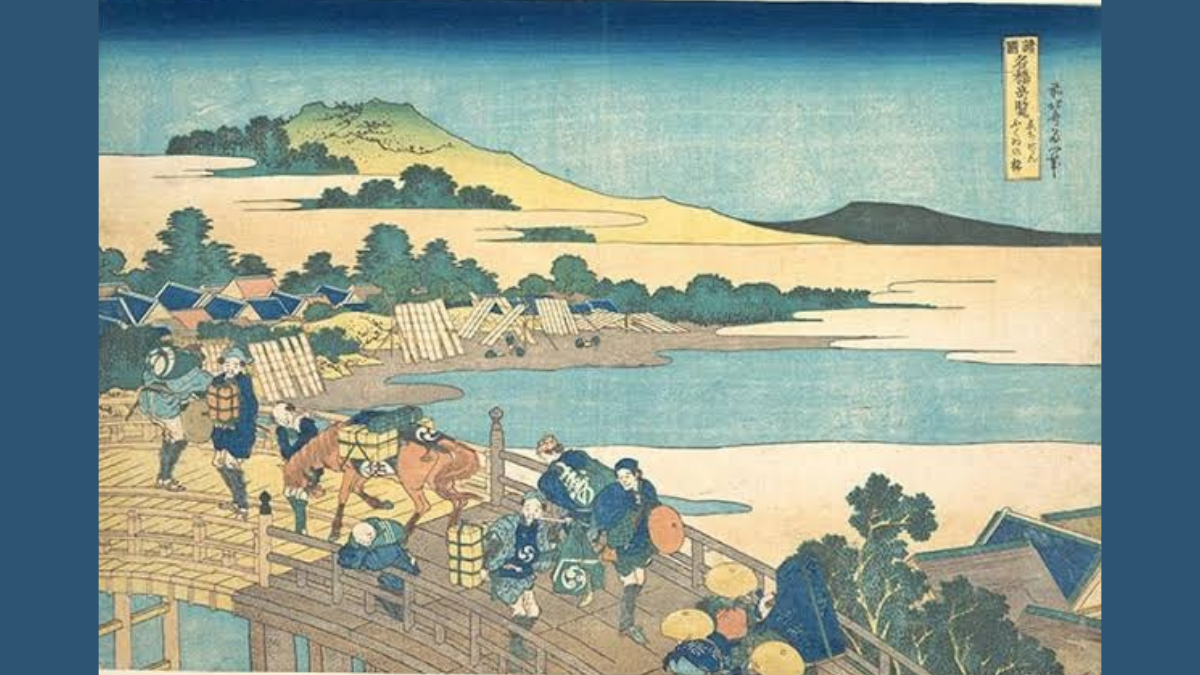
Katsushika Hokusai is one of the most famous Japanese artists in history. Born in Edo, now known as Tokyo, in 1760, he became internationally recognized for his woodblock prints, paintings, and illustrations.
Hokusai worked during the Edo period, when Japanese woodblock printing became an important part of popular visual culture. He explored different subjects, including landscapes, flowers, animals, everyday activities, and traditional Japanese life.
His most famous series is Thirty-Six Views of Mount Fuji, which includes one of the most recognizable artworks in Japanese art history.
The Great Wave off Kanagawa
Hokusai’s best-known print is The Great Wave off Kanagawa. It shows a powerful ocean wave rising above small boats, with Mount Fuji visible in the background.
The composition creates a dramatic contrast between the enormous wave and the distant mountain. Its use of blue shades, flowing lines, and balanced shapes makes it visually memorable.
The artwork has influenced artists and designers across the world. It is frequently reproduced in books, posters, museums, and popular culture.
Hokusai’s Artistic Style
Hokusai combined detailed observation with imaginative composition. He was interested in nature and believed that careful study could help artists understand the world around them.
His work also demonstrates the artistic possibilities of Japanese woodblock printing, where multiple carved blocks and carefully applied colors create a finished image.
Hokusai remains an important influence on landscape art, illustration, graphic design, and modern visual culture.
2. Utagawa Hiroshige – The Painter of Beautiful Landscapes
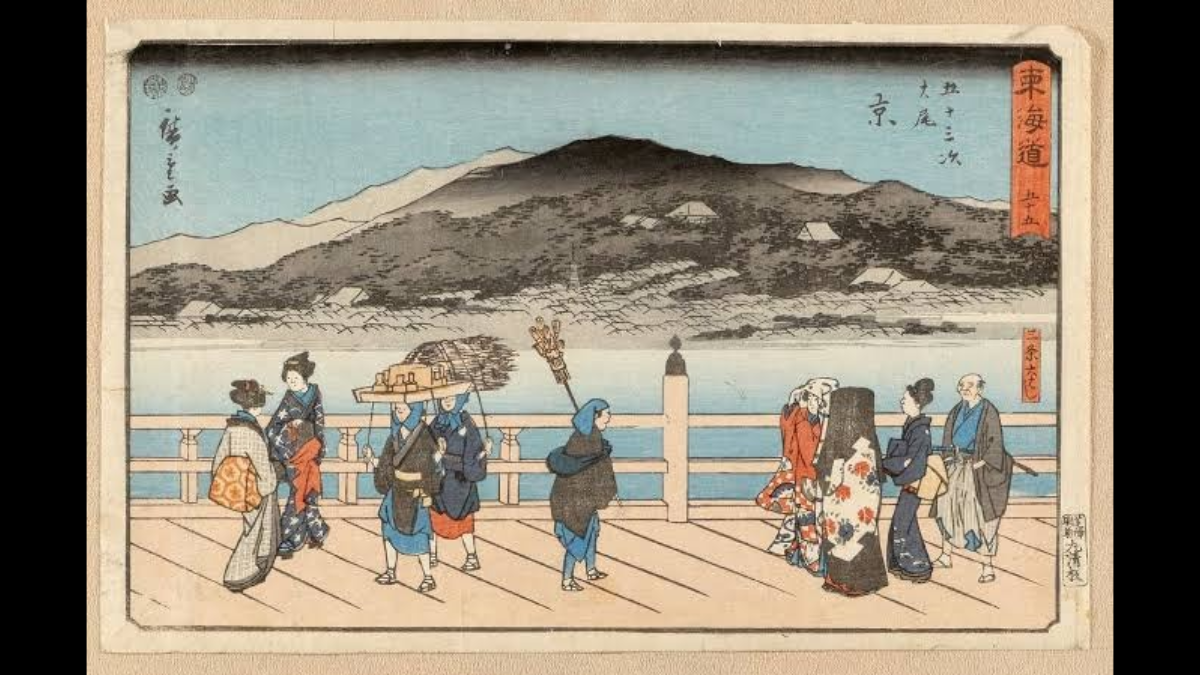
Utagawa Hiroshige was another major Japanese artist of the Edo period. Born in 1797, he became famous for his atmospheric landscape prints and beautiful depictions of everyday life.
Hiroshige is particularly admired for his ability to capture changing weather, seasonal colors, and peaceful moments in nature.
His artworks often show mountains, rivers, bridges, roads, villages, and travelers. Instead of focusing only on dramatic scenes, he frequently presented ordinary locations in visually poetic ways.
Famous Artwork: The Fifty-Three Stations of the Tokaido
One of Hiroshige’s most important series is The Fifty-Three Stations of the Tokaido.
The series depicts locations along the historic Tokaido road connecting Edo and Kyoto. It shows travelers, landscapes, weather conditions, and daily activities along the route.
His prints make viewers feel as though they are traveling through Japan and experiencing different places and seasons.
Artistic Style and Influence
Hiroshige used delicate lines, atmospheric colors, and carefully arranged compositions. Rain, snow, mist, and sunlight often play important roles in his landscapes.
His work became influential outside Japan, particularly during the nineteenth-century interest in Japanese art known as Japonisme.
European artists admired Japanese prints for their unusual perspectives, flat areas of color, and strong compositions.
Hiroshige’s influence can be seen in the development of modern landscape painting and graphic design.
3. Kitagawa Utamaro – A Master of Beautiful Portraits

Kitagawa Utamaro was one of the most celebrated Japanese printmakers of the Edo period. He became famous for his portraits of women and his ability to communicate personality through facial expressions and elegant compositions.
Utamaro mainly worked in the ukiyo-e tradition. Ukiyo-e, meaning pictures of the floating world, was a popular Japanese art form that depicted entertainment, landscapes, actors, and everyday life.
Famous Works and Portraits
Utamaro is particularly known for his portraits of women, often presented from the shoulders upward.
His series Ten Types in the Physiognomic Study of Women demonstrates his interest in individual expressions and character.
Rather than presenting every woman in exactly the same way, he explored subtle differences in appearance, mood, and personality.
Why Is Utamaro Important?
Utamaro helped develop the artistic possibilities of portrait printing. His works demonstrate how simple backgrounds and carefully observed expressions can create powerful images.
His portraits also provide insight into fashion, beauty standards, and urban culture during the Edo period.
Today, he remains one of the most important figures in Japanese ukiyo-e history.
4. Sesshu Toyo – A Pioneer of Japanese Ink Painting
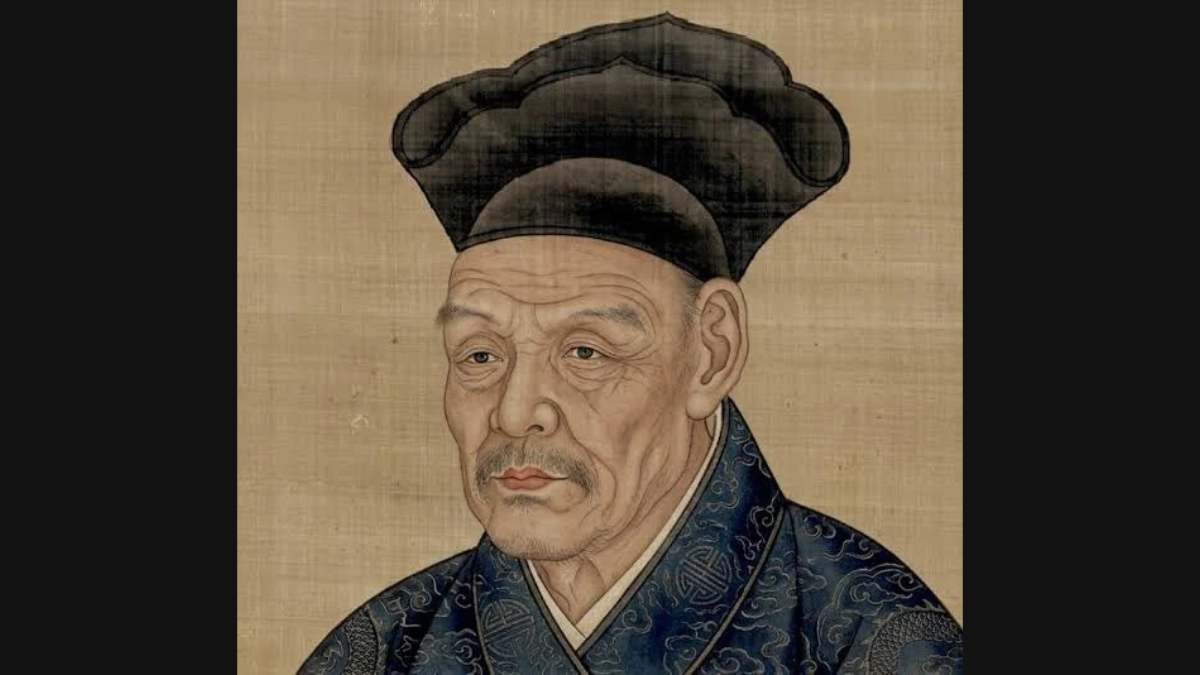
Sesshu Toyo was an influential Japanese painter associated with the Muromachi period. Born in 1420, he became particularly famous for his monochrome ink landscapes.
His artistic practice was strongly influenced by Chinese landscape painting, but he developed a distinctive approach that helped shape Japanese ink painting.
Artistic Style
Sesshu used black ink, brushstrokes, empty space, and carefully arranged landscapes to create atmospheric compositions.
His paintings often feature mountains, trees, rivers, and dramatic natural scenery.
Instead of filling every part of the painting with details, he used empty spaces to create a feeling of distance and openness.
Important Works
One of his most recognized works is Landscape of the Four Seasons, a group of landscape paintings demonstrating his control of ink, composition, and atmosphere.
Sesshu’s work remains important because it helped establish a distinctive tradition of Japanese ink painting.
His influence can still be seen in traditional brush painting and contemporary artists interested in minimalist composition.
5. Ogata Korin – The Master of Decorative Japanese Art

Ogata Korin was a celebrated Japanese painter and designer born in 1658. He became an important figure in the Rinpa school, a Japanese artistic tradition known for decorative patterns, elegant compositions, and vibrant colors.
Korin often explored natural subjects such as flowers, trees, water, and birds. His works combine detailed decorative elements with bold arrangements.
Famous Artwork: Red and White Plum Blossoms
One of Korin’s most famous works is Red and White Plum Blossoms.
The painting presents two plum trees on opposite sides of a flowing river. The composition uses decorative forms, strong contrasts, and carefully arranged natural elements.
The flowing water creates movement, while the plum blossoms add color and visual interest.
Artistic Legacy
Korin’s work influenced later generations of Japanese artists and designers.
His approach demonstrated that natural subjects could be transformed into decorative compositions without losing their connection to nature.
Today, his work remains an important part of Japanese decorative art history.
6. Ito Jakuchu – The Artist Who Celebrated Nature
Ito Jakuchu was an eighteenth-century Japanese painter best known for his highly detailed depictions of animals, birds, plants, and flowers.
Born in Kyoto in 1716, Jakuchu developed an extraordinary interest in observing nature. His paintings often show remarkable attention to color, texture, and small details.
Famous Artwork: Colorful Realm of Living Beings
One of Jakuchu’s most celebrated projects is Colorful Realm of Living Beings.
This collection includes detailed images of birds, animals, plants, and other natural subjects.
The paintings are known for their vibrant colors and decorative patterns. Some compositions feature unusual combinations of creatures and plants, creating an imaginative view of the natural world.
Why His Art Is Special
Jakuchu’s paintings combine scientific observation with artistic imagination.
His attention to detail makes his work particularly interesting for viewers who enjoy botanical illustration and animal art.
He remains one of Japan’s most admired historical painters.
7. Yayoi Kusama – The Queen of Polka Dots and Infinity Rooms
Yayoi Kusama is one of the most internationally recognized contemporary Japanese artists.
Born in Matsumoto, Japan, in 1929, Kusama developed an artistic language based on repetition, patterns, mirrors, dots, and immersive environments.
Her work includes painting, sculpture, installation, performance, and writing.
Infinity Mirror Rooms
Kusama is particularly famous for her Infinity Mirror Rooms.
These installations use mirrors, lights, and repeated visual elements to create the impression of an endless space.
When visitors enter these rooms, reflections appear to continue in every direction. The experience can make a small physical space feel enormous and almost infinite.
Polka Dots and Pumpkins
Polka dots are among the most recognizable elements of Kusama’s art.
She uses repeated dots across paintings, sculptures, installations, and everyday objects.
Her pumpkin sculptures are also especially popular. They often feature bright colors and repeated patterns that make ordinary objects appear playful and imaginative.
Why Yayoi Kusama Is Important
Kusama helped expand the possibilities of contemporary art by creating experiences that involve the viewer directly.
Her work connects repetition, personal expression, visual patterns, and large-scale environments.
She has become an important figure in international contemporary art and continues to inspire new generations of artists.
8. Takashi Murakami – The Creator of Superflat Art
Takashi Murakami is a famous contemporary Japanese artist known for his colorful paintings, sculptures, and commercial collaborations.
Born in Tokyo in 1962, Murakami developed an artistic movement known as Superflat.
The term refers to a visual approach that combines elements of traditional Japanese art with contemporary popular culture, anime, manga, and commercial imagery.
What Is Superflat Art?
Superflat explores the relationship between high art and popular culture.
Murakami often uses flat compositions, bright colors, cartoon-like characters, and repeated visual elements.
His work connects traditional Japanese artistic influences with modern entertainment and consumer culture.
Famous Characters and Works
One of Murakami’s most recognizable creations is Mr. DOB, a colorful character that appears in many of his artworks.
He is also known for his smiling flowers, which combine playful appearances with carefully arranged patterns.
His collaborations with fashion brands and musicians have helped introduce his visual style to audiences outside traditional art spaces.
His Influence on Modern Art
Murakami has helped create a stronger connection between fine art, fashion, design, and popular culture.
His work demonstrates how contemporary Japanese artists can use familiar commercial imagery to explore wider questions about society and culture.
9. Yoshitomo Nara – The Artist Behind Expressive Childlike Characters
Yoshitomo Nara is a Japanese contemporary artist known for paintings and sculptures featuring children and animal-like characters.
Born in Hirosaki, Japan, in 1959, Nara developed a distinctive style that combines simple forms with emotionally expressive faces.
His characters often have large heads, small bodies, and direct expressions.
Some appear innocent or thoughtful, while others look serious, rebellious, or frustrated.
Famous Artistic Style
Nara’s paintings often use simple backgrounds and a limited number of visual elements.
This simplicity makes the characters stand out and encourages viewers to consider their expressions.
His works can explore childhood, loneliness, independence, and emotional experiences.
Why His Work Connects With People
Nara’s art is easy to recognize, but it is not limited to cute characters.
The expressions and attitudes of his figures can suggest complicated feelings and personal experiences.
His combination of simplicity and emotional depth has made him one of the best-known contemporary Japanese artists.
10. Chiharu Shiota – The Artist Who Creates Beautiful Thread Installations
Chiharu Shiota is a contemporary Japanese artist known for large-scale installations made using threads, everyday objects, and architectural spaces.
Born in Osaka in 1972, Shiota developed an artistic practice that explores memory, relationships, identity, absence, and human connection.
Famous Installation Style
Her installations often use thousands of threads arranged across rooms and exhibition spaces.
The threads may surround objects such as keys, suitcases, shoes, or furniture.
These materials can create a visual network that connects individual objects with broader ideas about human experiences.
Why Her Art Is Different
Shiota transforms ordinary materials into immersive environments.
Instead of looking at a painting from a distance, visitors experience her installations by standing inside or moving around them.
Her work encourages people to think about memories, personal belongings, and the connections between individuals.
She is an important figure in contemporary installation art.
11. Hiroshi Sugimoto – A Master of Conceptual Photography
Hiroshi Sugimoto is a Japanese photographer and artist internationally recognized for his carefully composed black-and-white photographs.
Born in Tokyo in 1948, Sugimoto developed a distinctive photographic style that explores time, memory, perception, and the relationship between reality and images.
His work includes several important photographic series.
Seascapes
Sugimoto’s Seascapes series features photographs of oceans and horizons from different locations around the world.
The compositions often divide the image into water and sky, creating a sense of simplicity and stillness.
Although the locations differ, the photographs share a consistent visual structure.
Theaters
Another well-known series is Theaters.
Sugimoto photographed movie theaters using long exposures that captured entire film screenings in a single image.
The resulting photographs show bright screens surrounded by dark architectural spaces.
Artistic Influence
Sugimoto demonstrates how photography can be more than a record of a particular moment.
His images encourage viewers to consider time, space, and the meaning of visual experience.
He is widely respected for combining technical precision with philosophical ideas.
12. Isamu Noguchi – The Artist Who Connected Sculpture and Design
Isamu Noguchi was a Japanese-American artist and designer born in 1904.
Although his career developed across international art and design communities, his Japanese heritage played an important role in his creative identity.
Noguchi worked in sculpture, furniture design, landscape architecture, and public art.
Famous Works and Designs
One of his most recognized designs is the Noguchi Table, which combines a sculptural wooden base with a glass top.
He also created public sculptures, gardens, and large-scale installations.
His work demonstrates how art can become part of everyday environments.
Artistic Style
Noguchi combined organic forms, natural materials, and modern design principles.
His sculptures often appear simple, but their shapes and proportions show careful attention to balance and space.
His legacy continues through museums, public installations, and modern furniture design.
How Japanese Art Has Changed Over Time
Japanese art has developed through centuries of cultural exchange, experimentation, and changing social conditions.
Traditional Japanese art often included painting, calligraphy, woodblock printing, ceramics, sculpture, and decorative design.
Over time, artists began exploring new materials, international movements, and modern artistic ideas.
Traditional Japanese Art
Traditional Japanese art frequently draws inspiration from nature, seasonal changes, literature, religion, and everyday life.
Woodblock prints became especially popular during the Edo period. They allowed artists to create images that could reach a wider audience.
Ink painting also developed a strong artistic tradition, using brushwork and empty space to communicate atmosphere and meaning.
Modern Japanese Art
During the nineteenth and twentieth centuries, Japanese artists increasingly engaged with international art movements.
They explored new approaches to painting, sculpture, photography, and design.
This period helped create connections between traditional Japanese techniques and modern artistic experimentation.
Contemporary Japanese Art
Contemporary Japanese artists work across a wide range of mediums.
They create paintings, digital artworks, installations, photography, sculptures, and immersive experiences.
Artists such as Yayoi Kusama, Takashi Murakami, and Chiharu Shiota demonstrate how Japanese creativity continues to influence international contemporary art.
Common Characteristics of Japanese Art
Although Japanese artists have different styles, several artistic characteristics appear frequently throughout the country’s art history.
1. Inspiration From Nature
Nature is an important subject in many Japanese artworks.
Mountains, flowers, trees, animals, oceans, and seasonal changes appear throughout traditional and contemporary art.
2. Careful Composition
Japanese artists often pay close attention to the arrangement of shapes, lines, colors, and empty spaces.
This can create compositions that feel balanced and visually engaging.
3. Simplicity and Minimalism
Some Japanese art traditions value simplicity and the careful use of empty space.
Rather than filling every part of an artwork with details, artists may allow a small number of elements to create a strong visual impression.
4. Repetition and Patterns
Repeated patterns are another recognizable feature in some Japanese artistic practices.
This can be seen in traditional decorative designs as well as Yayoi Kusama’s modern installations.
5. Cultural Storytelling
Japanese art frequently reflects cultural traditions, historical events, personal experiences, and everyday life.
These subjects help artworks communicate meaning beyond their visual appearance.
Where Can You See Famous Japanese Artworks?
If you want to explore Japanese art in person, several museums and cultural institutions offer opportunities to discover traditional and contemporary works.
Some useful places include:
- Tokyo National Museum: A major institution with important collections of Japanese art and cultural heritage.
- The National Museum of Modern Art, Tokyo: A museum dedicated to modern and contemporary Japanese art.
- The Adachi Museum of Art: Known for its Japanese paintings and carefully designed gardens.
- The Sumida Hokusai Museum: Dedicated to the life and work of Katsushika Hokusai.
- The Yayoi Kusama Museum: A Tokyo museum presenting exhibitions related to Kusama’s artistic practice.
- The Isamu Noguchi Garden Museum Japan: A place connected with Noguchi’s sculpture and artistic legacy.
Museum exhibitions and opening arrangements can change, so visitors should check official websites before planning a visit.
Readers interested in traditional Japanese art can explore the Tokyo National Museum collection, which features Japanese paintings, calligraphy, sculpture, decorative arts, and historical objects.
How Japanese Artists Have Influenced Global Art
Japanese art has had a significant influence on international artistic movements.
During the nineteenth century, Japanese woodblock prints became popular among European artists and collectors. Their unusual perspectives, flat areas of color, and decorative compositions introduced new visual possibilities.
This interest became known as Japonisme.
Japanese prints influenced artists such as Vincent van Gogh and Claude Monet, who admired their compositions and visual approaches.
In more recent decades, contemporary Japanese artists have influenced fashion, design, photography, digital culture, and installation art.
Yayoi Kusama’s immersive installations have attracted international audiences, while Takashi Murakami has connected contemporary art with popular culture and commercial design.
These examples show that Japanese art is not simply a historical tradition. It remains an active influence on global creativity.
If you enjoy exploring different art movements, read our guide to Famous Impressionist Artists, where you can discover influential painters and their beautiful masterpieces.
Conclusion
The famous Japanese artists explored in this article represent the extraordinary variety of Japan’s artistic heritage. From Katsushika Hokusai’s unforgettable woodblock prints to Yayoi Kusama’s immersive installations, each artist has contributed something distinctive to the history of art.
Historical creators such as Hiroshige, Utamaro, Sesshu Toyo, and Ogata Korin helped establish artistic traditions that continue to inspire people today. Meanwhile, contemporary artists such as Takashi Murakami, Yoshitomo Nara, Chiharu Shiota, and Hiroshi Sugimoto demonstrate how Japanese creativity continues to evolve.
Their work explores nature, culture, memory, identity, emotion, and modern life through different artistic mediums.
Whether you enjoy traditional paintings, expressive portraits, photography, sculpture, or contemporary installations, Japanese art offers something worth discovering. Exploring these artists is a wonderful way to understand how creativity can connect history with the modern world.
Frequently Asked Questions About Famous Japanese Artists
1. Who is the most famous Japanese artist?
Katsushika Hokusai is widely regarded as one of the most famous Japanese artists in history. His woodblock print The Great Wave off Kanagawa is internationally recognized and has influenced artists around the world.
2. Who are the most famous contemporary Japanese artists?
Some of the best-known contemporary Japanese artists include Yayoi Kusama, Takashi Murakami, Yoshitomo Nara, Chiharu Shiota, and Hiroshi Sugimoto. They work across painting, sculpture, photography, and installation art.
3. What is traditional Japanese art called?
Traditional Japanese art includes several forms, such as ukiyo-e woodblock printing, ink painting, calligraphy, ceramics, sculpture, and decorative arts. These traditions developed across different historical periods.
4. What is Katsushika Hokusai famous for?
Hokusai is famous for his landscape prints, particularly The Great Wave off Kanagawa. He also created the series Thirty-Six Views of Mount Fuji.
5. Why is Yayoi Kusama famous?
Yayoi Kusama is famous for her polka-dot patterns, pumpkin sculptures, and Infinity Mirror Rooms. Her installations create immersive experiences using mirrors, lights, and repetition.
6. Who is the Japanese artist known for Superflat?
Takashi Murakami is known for developing the Superflat artistic movement. His work combines traditional Japanese influences with anime, manga, popular culture, and contemporary commercial imagery.
7. How did Japanese artists influence Western art?
Japanese woodblock prints influenced many European artists during the nineteenth century. Their unusual perspectives, flat colors, and decorative compositions helped inspire new approaches to modern painting and design.
8. What are the main characteristics of Japanese art?
Common characteristics include inspiration from nature, careful composition, decorative patterns, simplicity, detailed craftsmanship, and cultural storytelling. However, Japanese artists use many different styles and techniques.
9. Where can I see famous Japanese artworks?
You can explore Japanese artworks at institutions such as the Tokyo National Museum, the National Museum of Modern Art in Tokyo, the Sumida Hokusai Museum, and the Yayoi Kusama Museum.
10. Who is famous for Japanese woodblock printing?
Katsushika Hokusai, Utagawa Hiroshige, and Kitagawa Utamaro are among the best-known artists associated with Japanese woodblock printing.