
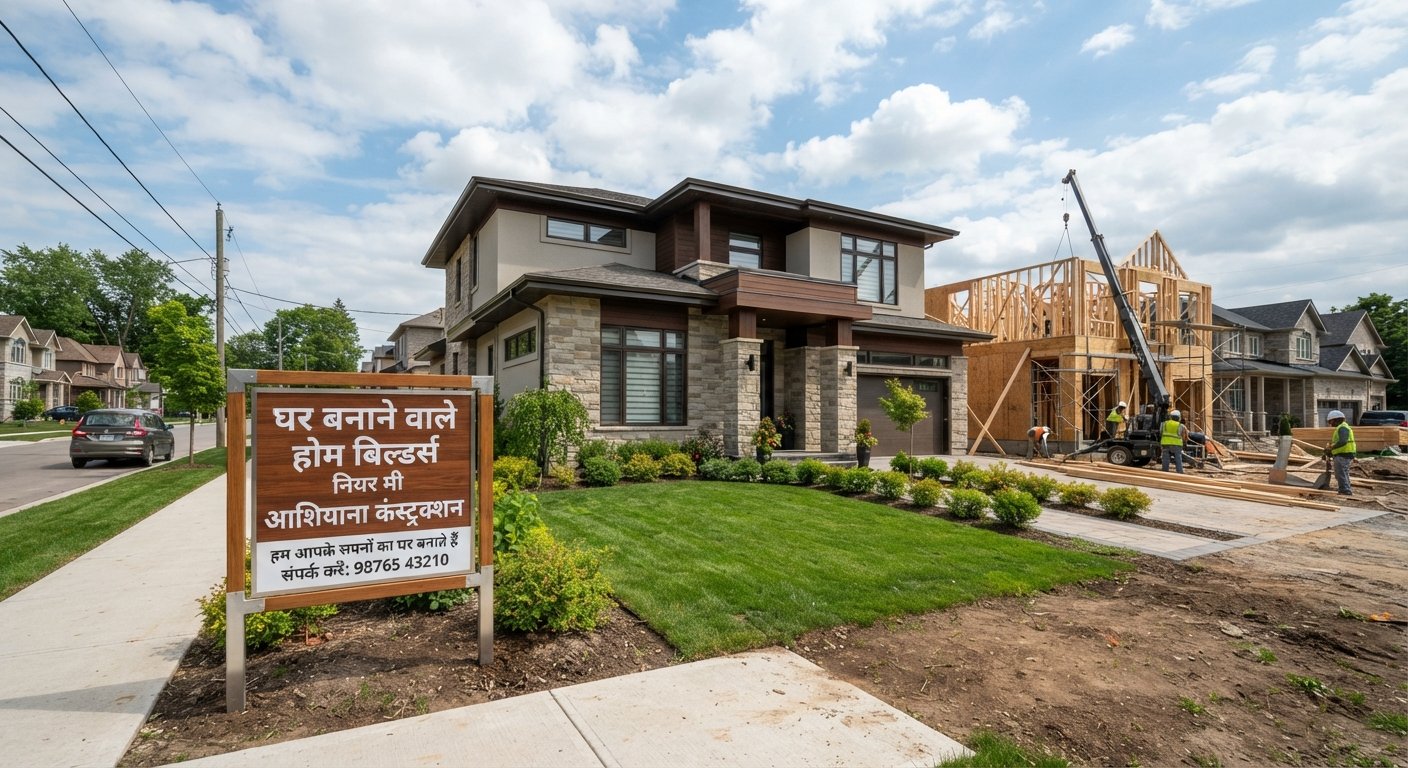

Finding reliable home builders near me is an important step toward creating a safe, comfortable, and beautiful home. Whether you’re planning to build your first house, construct a larger family home, or design a modern property from the ground up, choosing the right builder can make the entire process easier.
Building a home is an exciting journey. However, it also involves many decisions, including selecting land, setting a budget, choosing a design, understanding building permits, and deciding which materials to use. A professional home builder can help you manage these tasks and turn your ideas into a practical living space.
Today, homeowners have more choices than ever. Some builders specialize in affordable houses, while others focus on luxury homes, custom designs, or energy-efficient construction. The best choice depends on your needs, location, financial plan, and preferred style.
In this guide, you’ll learn how to find home builders near me, compare construction companies, understand building costs, avoid common mistakes, and choose a professional who can bring your dream home to life.
What Does Home Builders Near Me Mean?
The phrase “home builders near me” refers to construction companies, contractors, and professional builders who work in or around your local area. These professionals help people plan, design, and construct residential properties.
Local builders can be especially helpful because they may understand regional building rules, weather conditions, material availability, and common construction challenges.
For example, someone planning a home in a hot climate may need better ventilation, suitable insulation, and materials that handle high temperatures. In areas with heavy rainfall, proper drainage and moisture protection may be more important.
Home builders offer different services depending on their experience and business model.
Common Types of Home Builders
- Custom home builders: Create homes based on the homeowner’s individual plans, needs, and preferences.
- Production home builders: Construct multiple homes using a selection of standard floor plans and design options.
- Spec home builders: Build houses before finding a buyer, often using designs intended to appeal to a broad market.
- Luxury home builders: Specialize in high-end properties with premium materials, unique features, and detailed finishes.
- Affordable home builders: Focus on practical designs and cost-conscious construction choices.
- Design-build companies: Coordinate both the design and construction process through one company or integrated team.
Understanding these categories will help you narrow your search and focus on professionals who match your project.
Why Choosing Local Home Builders Can Be a Smart Decision
Searching for home builders near me can help you discover professionals who regularly work in your community. While a local company isn’t automatically better than a larger regional builder, nearby experience can offer several advantages.
Knowledge of Local Building Requirements
Construction rules differ between cities, regions, and countries. A builder familiar with your area may understand local permit procedures, zoning restrictions, safety standards, and inspection requirements.
This knowledge can reduce confusion and help you plan your project more effectively.
However, always confirm that the builder understands the specific requirements for your property. Local experience alone doesn’t guarantee compliance.
Easier Communication
Building a house requires frequent communication. You’ll need to discuss designs, materials, construction schedules, payments, and possible changes.
Working with a nearby builder may make it easier to arrange site visits and face-to-face meetings. You can also inspect completed projects when the builder has suitable references.
Understanding of Local Weather
Weather can influence the way a home should be designed and constructed.
Depending on your location, important features may include:
- Strong foundations suited to local soil conditions.
- Roofs designed for local rainfall and wind.
- Proper ventilation and insulation.
- Moisture protection in bathrooms, kitchens, and foundations.
- Suitable windows and exterior finishes.
- Drainage systems that move rainwater away from the building.
A knowledgeable builder should explain which features are necessary for your property and why.
Potentially Better Access to Local Suppliers
Local builders may have established relationships with suppliers of cement, bricks, timber, roofing products, plumbing fixtures, and other materials.
These relationships can sometimes improve coordination and delivery times. Still, you should compare the quality and price of the proposed materials instead of assuming that local sourcing always means lower costs.
How to Find the Best Home Builders Near Me
Finding a builder doesn’t have to be difficult. The key is to research several options, verify their qualifications, and compare their proposals before making a decision.


Search Online for Local Builders
Begin by searching for home builders near me using a search engine or online maps. You can also search for more specific phrases, such as:
- Custom home builders in your city.
- Affordable new home construction companies.
- Residential construction contractors near me.
- Luxury home builders in my area.
- New home builders with completed projects.
- Energy-efficient home construction companies.
If you’re searching in Pakistan, you might use location-specific phrases such as “house construction companies in Islamabad” or “home builders in Lahore.” In the United States, you could search by city, county, or ZIP code.
Specific searches generally make it easier to identify companies that serve your intended location.
Ask Friends, Family, and Neighbors
Personal recommendations can be valuable because they may provide details that aren’t visible in online listings.
Ask people who have recently built or renovated a house about their experience. Find out whether the builder communicated clearly, stayed within the agreed budget, and handled unexpected problems professionally.
Don’t rely on a recommendation alone, though. Verify the builder’s credentials, inspect completed work, and read the contract before hiring them.
Check Reviews and Ratings Carefully
Online reviews can help you understand how a company treats its customers. Look for repeated patterns rather than focusing on one extremely positive or negative comment.
Pay attention to feedback about:
- Construction quality.
- Project delays.
- Communication and customer service.
- Budget changes.
- Site cleanliness and safety.
- Warranty support after completion.
Be cautious if many independent reviewers report similar unresolved problems. At the same time, remember that reviews may be incomplete or unverified, so they shouldn’t replace your own checks.
Visit Completed Homes
One of the best ways to judge a builder’s work is to see completed projects.
If possible, examine the quality of the walls, flooring, doors, windows, roofing, and finishing. Ask whether the builder can arrange a visit to a completed property or provide references from previous customers.
Look beyond appearance. A house may look attractive while still having problems with drainage, ventilation, plumbing, or electrical installation.
A trustworthy builder should be willing to discuss the methods and standards used to deliver a safe, durable home.
What to Check Before Hiring a Home Builder
Before signing an agreement, take time to verify the builder’s professional background. A good-looking website and attractive house photos are not enough to prove that a company can deliver quality construction.
Verify Licenses and Qualifications
Depending on your country and local rules, builders may need specific licenses, registrations, permits, or professional qualifications.
Ask the company to provide relevant documentation and verify it with the appropriate authority. You should also check whether the project requires a qualified architect, structural engineer, electrician, plumber, or other specialist.
For larger or more complex projects, professional engineering and architectural services can be particularly important.
Review Previous Projects
Ask to see examples of homes similar to the one you want to build. A company that specializes in small family homes may not be the best fit for a complex luxury property.
Consider the following questions:
- Has the builder completed projects of a similar size?
- Does the company have experience with your preferred architectural style?
- Are the finished homes well maintained?
- Can previous clients confirm the quality of the work?
- Has the builder handled projects with similar site conditions?
The more closely a builder’s experience matches your project, the easier it may be to evaluate their proposal.
Confirm Insurance and Legal Protection
Construction can involve risks to workers, property, and nearby buildings. Ask which insurance policies the builder carries and whether they are suitable for your project.
Depending on local requirements, relevant protection may include public liability insurance, workers’ compensation, construction insurance, or other forms of coverage.
You should also understand who is responsible for subcontractors, damage, safety, and unexpected problems during construction.
Evaluate Communication
A reliable builder should answer questions clearly and explain technical matters in language you understand.
During your first meetings, notice whether the company listens to your priorities or immediately pushes expensive upgrades.
Professional communication includes:
- Providing written estimates.
- Explaining what the price includes.
- Sharing a realistic project schedule.
- Responding to questions within a reasonable time.
- Explaining how changes will affect costs and deadlines.
- Discussing potential risks honestly.
If communication is poor before the project begins, resolving problems later may become even more difficult.
Different Types of Home Construction Services
When searching for home builders near me, you’ll discover that not every company offers the same services. Understanding the available options will help you select the right professional for your needs.

Custom Home Construction
Custom builders work with your preferred layout, room sizes, finishes, and design ideas. This option provides flexibility but often requires more planning, design work, and decision-making.

Production Home Construction
Production builders offer established floor plans and selected finishes. This can simplify planning and make costs easier to compare, although design choices may be limited.

Luxury Home Construction
Luxury builders focus on premium finishes, detailed craftsmanship, advanced home systems, and personalized features. A clear specification is essential because upgrades can significantly increase the budget.

Affordable Home Construction
These builders focus on practical layouts, efficient use of space, and cost-conscious material choices. Good planning can help reduce unnecessary spending without sacrificing essential safety or durability.

Home Additions and Major Renovations
Some residential builders also add rooms, extend kitchens, convert garages, or renovate existing properties. These projects may require additional checks of the existing structure and local approvals.
Before choosing a service, confirm that the company regularly handles your type of project and can provide a detailed written proposal.
How Much Do Home Builders Near Me Cost?
The cost of hiring home builders near me depends on several factors, including your location, land conditions, house size, design, materials, labor rates, and finish quality.
There isn’t one price that applies to every home. A simple house in one region may cost much less than a similarly sized property in a city with expensive labor and strict building requirements.
Major Factors That Affect Construction Costs
House size: Larger homes generally require more materials and labor. However, the cost per square foot may vary depending on the design and level of finish.
Design complexity: Unusual rooflines, large window openings, custom staircases, and complicated structural features can increase construction costs.
Material quality: Standard finishes may cost less than imported tiles, premium flooring, custom cabinets, and luxury fixtures.
Land conditions: Sloping ground, weak soil, difficult access, and drainage problems may require extra preparation or engineering.
Labor and location: Local wages, transport costs, material availability, and building regulations all influence the final price.
Utility connections: Electricity, water, sewage, gas where available, and internet connections may add costs depending on the site.
Permits and professional services: Architectural drawings, engineering work, inspections, and approval fees should be included in your financial planning.
Typical Budget Categories
| Cost category | What it may include |
|---|---|
| Site preparation | Clearing, excavation, grading, and access |
| Foundation | Groundwork, concrete, reinforcement, and structural support |
| Main structure | Walls, columns, beams, floors, and roof |
| Exterior work | Doors, windows, exterior finishes, and waterproofing |
| Interior finishing | Flooring, paint, ceilings, cabinets, and fixtures |
| Electrical and plumbing | Wiring, lighting, pipes, fittings, and equipment |
| Professional services | Design, engineering, approvals, and inspections |
| Outdoor work | Driveways, boundary walls, paths, and landscaping |
| Contingency | Funds for reasonable unexpected costs |
This is a planning framework, not a fixed percentage breakdown. The actual amount assigned to each category will depend on your project.
Create a Realistic Construction Budget
Before contacting builders, decide how much you can comfortably spend.
Include both construction expenses and related costs, such as land purchase, financing, temporary accommodation, utility connections, and landscaping.
It is also wise to keep a contingency reserve for unexpected expenses. The appropriate amount depends on the project’s complexity, the quality of the initial estimates, and the risks associated with the site.
Don’t spend your entire available budget on the initial construction quote. A home that is almost complete but lacks funds for essential systems and finishing can create serious problems.
Compare Quotes Fairly
When you receive estimates from several builders, compare what each company includes.
For example, one quote may include kitchen cabinets, lighting, and site cleanup, while another may exclude them. The lower headline price may therefore represent a smaller scope of work rather than better value.
Ask each builder to explain:
- The materials and their specified quality.
- Labor and subcontractor costs.
- Work excluded from the estimate.
- Allowances for items you haven’t selected.
- Payment stages.
- Taxes, permit fees, and other applicable charges.
- How additional work will be priced.
A detailed quote helps you understand where your money will go and reduces the chance of unexpected disagreements.
How to Choose Between Multiple Home Builders
Once you’ve identified several potential companies, use a consistent method to compare them. This makes it easier to look beyond sales presentations and focus on the factors that matter most.
| Evaluation factor | What to look for |
|---|---|
| Experience | Similar completed residential projects |
| Credentials | Required licenses, registrations, and qualifications |
| Construction quality | Good workmanship and suitable materials |
| Communication | Clear answers and regular updates |
| Pricing | Detailed and comparable written estimates |
| Schedule | Realistic milestones and project planning |
| References | Verifiable feedback from past clients |
| Contract | Clear scope, payments, deadlines, and responsibilities |
| Aftercare | Written warranty terms and a process for reporting defects |
You can also create a simple comparison sheet and record your findings after each meeting.
Don’t automatically choose the company with the lowest price. Instead, look for a balance of quality, affordability, professional conduct, and realistic commitments.
A builder who explains the limitations of a design honestly may be a safer choice than one who promises everything without discussing cost or practical challenges.
Questions to Ask Home Builders Near Me Before Signing a Contract
Asking the right questions can reveal important details before construction begins. Prepare a list for each builder and compare the answers.
Questions About Experience
- How long have you been building residential properties?
- Can you show me homes similar to the one I want?
- Can I speak with previous customers?
- Who will supervise construction at my site?
- Which parts of the project will be handled by subcontractors?
Questions About Pricing
- Is this a fixed-price contract or a cost-plus arrangement?
- What items are excluded from the estimate?
- How will changes to the design affect the price?
- What happens if material costs increase?
- When will each payment be due?
Questions About Time and Quality
- What is the expected construction schedule?
- How will weather or supply delays be handled?
- Which quality checks will take place?
- Will I be able to inspect the project at agreed stages?
- What warranty or defect-correction process do you provide?
Questions About Project Management
- Who will be my main contact?
- How often will I receive progress updates?
- How are design changes approved?
- How will safety be managed on the site?
- What documents will I receive when the house is completed?
A professional builder should welcome reasonable questions. After all, both parties benefit when expectations are clear from the beginning.
Understanding the Home-Building Process
Building a home involves several connected stages. Although the exact process varies by location and project, understanding the general sequence will help you prepare for what lies ahead.
Planning and Land Selection
Decide where you want to build, confirm land ownership, review site conditions, and establish your budget and priorities.
Design and Approvals
Work with the appropriate design professionals to prepare plans, select materials, and obtain required permits and approvals.
Site Preparation and Foundation
Prepare the land, address drainage requirements, and construct the foundation according to approved plans and engineering specifications.
Structural Construction
Build the main structure, walls, floors, and roof. Appropriate inspections should occur at the required stages.
Electrical, Plumbing, and Finishing
Install essential systems, complete interior finishes, fit fixtures, and test systems before final approval.
Final Inspection and Handover
Review the completed home, document outstanding defects, obtain relevant completion documents, and confirm warranty arrangements.
Planning Before Construction
The planning stage deserves special attention because decisions made early can affect the entire project.
Think about how many people will live in the home, whether you need a home office, how much storage you require, and how the rooms should connect.
For example, a growing family may benefit from flexible bedrooms and a practical kitchen layout. Someone working remotely might prefer a quiet workspace with good natural light.
Discuss these priorities with your builder and design team before the drawings are finalized. Making major changes after construction begins can increase costs and cause delays.
Monitoring Construction Progress
Once work begins, agree on a regular system for reviewing progress.
Depending on the project, this may involve scheduled site visits, photographs, written reports, and meetings with the project manager.
Keep records of approved drawings, invoices, material selections, inspection reports, and changes to the original agreement.
If something doesn’t match the plans, raise the issue promptly and document the agreed solution. For important structural or safety questions, seek advice from the appropriate qualified professional rather than relying only on a verbal assurance.
Important Features to Look for in a New Home
A beautiful house should also be practical, safe, and comfortable. When discussing your design with home builders near me, focus on features that support everyday living.
A Practical Floor Plan
A well-designed floor plan makes the most of available space.
Consider the relationship between the kitchen, dining area, living room, bedrooms, and bathrooms. Good circulation allows people to move through the home without unnecessary obstacles.
You should also think about privacy. Bedrooms may need to be separated from noisy gathering areas, while bathrooms should be easy to access without compromising comfort.
Natural Light and Ventilation
Windows, doors, and room orientation can influence the amount of natural light and fresh air entering a home.
Good ventilation helps control moisture and can improve indoor comfort. In hot climates, thoughtful window placement, shading, and roof insulation can help reduce unwanted heat.
However, window size and placement should also consider privacy, weather exposure, security, and energy performance.
Durable Building Materials
Materials should be suitable for the local climate and intended use.
For example, wet areas need appropriate waterproofing, while exterior finishes should be selected for their resistance to local weather. Flooring should suit the level of foot traffic and the maintenance you are willing to perform.
Ask the builder to specify materials in writing, including important quality standards, product types, and installation requirements.
Energy Efficiency
An energy-efficient home may cost less to operate over time.
Useful features can include:
- Effective roof and wall insulation where appropriate.
- Energy-efficient lighting.
- Properly sealed doors and windows.
- Efficient heating and cooling systems.
- Appliances suited to your household needs.
- Solar power where practical and financially suitable.
- Shading and landscaping that help manage heat.
The best combination depends on your climate, local energy prices, building design, and budget.
Storage and Future Needs
Storage is easy to overlook during the design stage, but it matters every day.
Built-in cupboards, a practical pantry, laundry storage, and organized utility spaces can help keep the house comfortable and tidy.
It’s also worth considering future needs. Flexible rooms, accessible entrances, and sensible bathroom layouts may make the home more useful as your household changes.
Warning Signs to Avoid When Hiring a Home Builder
Not every construction company will be the right fit. Recognizing warning signs early can help protect your money and reduce the risk of disputes.
Be cautious if a builder:
- Demands a large advance without clear contractual protection or a reasonable explanation.
- Refuses to provide a written agreement.
- Cannot demonstrate relevant experience or required credentials.
- Offers a price far below competing estimates without explaining why.
- Pressures you to sign immediately.
- Avoids questions about materials, permits, or subcontractors.
- Makes repeated promises without written details.
- Refuses reasonable progress inspections.
- Has a pattern of unresolved complaints.
- Cannot explain how defects or warranty claims will be handled.
One warning sign doesn’t always prove that a company is dishonest, but it deserves investigation.
For payment protection, follow the contract and local legal requirements. Avoid paying for work that hasn’t been completed unless the agreement provides a clear, justified arrangement, such as a properly documented deposit or payment for materials.
If a dispute arises, keep written records and consider seeking advice from a qualified construction professional or local legal adviser.
The Importance of a Written Construction Contract
A written contract is one of the most important protections when working with home builders near me. It explains what the builder must deliver, what you must pay, and how both parties will handle changes or disagreements.
Before signing, make sure the agreement clearly covers the following points.
- Scope of work: Describe the construction tasks, materials, finishes, and services included.
- Total price: Explain the agreed pricing method and any applicable taxes or additional fees.
- Payment schedule: Set out the payment amounts, due dates, and milestones.
- Project timeline: Include expected start and completion dates, along with provisions for delays.
- Change orders: Explain how design changes must be approved and priced.
- Permits and inspections: Identify who is responsible for obtaining approvals and arranging inspections.
- Warranty terms: Explain which defects are covered, for how long, and how claims should be submitted.
- Dispute resolution: Describe the process for addressing disagreements.
- Termination terms: Explain when and how either party can end the agreement.
Read every section carefully. If you don’t understand a clause, ask for an explanation before signing. For a large construction project, independent legal review may be worthwhile.
A clear contract doesn’t prevent every problem, but it gives both parties a shared understanding of their responsibilities.
How to Save Money Without Sacrificing Quality
Building a home can be expensive, but smart planning may help you control costs without compromising essential safety or durability.
Choose a Simple Design
Complex architectural features can require more materials, specialized labor, and additional construction time.
A straightforward design with an efficient layout may be less expensive to build and easier to maintain. Simple doesn’t have to mean boring, either. Attractive colors, thoughtful lighting, and well-chosen finishes can create a modern appearance.
Compare Material Options
Ask your builder to recommend several materials that meet the required performance standards.
Compare their purchase prices, installation costs, expected lifespan, and maintenance needs. The cheapest option isn’t always the most economical over time.
For instance, a durable flooring material may cost more initially but require fewer repairs than a lower-quality alternative.
Finalize Your Design Early
Frequent changes during construction can lead to wasted materials, extra labor, and schedule disruptions.
Make important decisions about room layouts, doors, windows, flooring, kitchen cabinets, and plumbing fixtures before the relevant work begins.
When changes are unavoidable, ask for a written estimate of their cost and effect on the schedule before approving them.
Prioritize Essential Features
Focus first on the foundation, structural safety, waterproofing, electrical systems, plumbing, and other essential components.
Decorative upgrades can often be added later, while correcting hidden construction defects may be difficult and expensive.
A sensible budget gives priority to quality where it matters most.
Common Mistakes to Avoid When Building a House
Even well-planned projects can face challenges. Fortunately, many common mistakes can be reduced through careful preparation.
| Common mistake | Better approach |
|---|---|
| Hiring the first builder you find | Compare several qualified companies |
| Choosing only by price | Evaluate quality, scope, and value |
| Ignoring local approvals | Confirm legal and permit requirements |
| Making too many late changes | Finalize major design decisions early |
| Overlooking drainage | Assess site conditions and water management |
| Failing to document payments | Keep receipts, invoices, and records |
| Ignoring progress inspections | Arrange suitable checks at key stages |
| Spending the full budget upfront | Maintain funds for remaining work and unexpected costs |
| Forgetting maintenance | Choose durable materials and plan future upkeep |
A successful home-building project depends on more than selecting an attractive design. Good communication, realistic budgeting, careful documentation, and qualified professional support all contribute to better results.
Frequently Asked Questions About Home Builders Near Me
How do I find reliable home builders near me?
Start with online searches, local recommendations, and professional directories. Shortlist several companies, verify their credentials, examine previous projects, contact references, and compare written estimates. Choose a builder whose experience and working methods match your project.
How many home builders should I compare?
Comparing around three qualified builders is a practical starting point. It gives you an opportunity to compare prices, project schedules, materials, communication, and contract terms without making the process unnecessarily complicated.
The number may vary depending on your location and the availability of suitable companies.
How much does it cost to hire a home builder?
The cost depends on the property’s size, location, design, material quality, labor, and site conditions. Ask for a detailed estimate based on your actual plans and requirements rather than relying on a general online figure.
Is a custom home builder better than a production builder?
Neither option is automatically better. A custom builder may be suitable if you want a personalized design, while a production builder may be more practical if you prefer an established floor plan and a more standardized process.
Your budget, design preferences, and need for flexibility should guide the decision.
What should I check before paying a deposit?
Review the written contract, verify the builder’s identity and relevant credentials, understand the payment schedule, and confirm what the deposit covers. Check applicable local laws and ask how your payment will be protected.
Never feel pressured to pay simply because a builder claims the offer will disappear immediately.
How long does it take to build a house?
Construction time varies considerably. A relatively simple home may take several months, while a larger or more complex project can take a year or longer. Design approvals, weather, site conditions, material availability, and changes can all affect the schedule.
Ask your builder for a project-specific timeline with clear milestones.
Can I visit the construction site while work is underway?
In many projects, owners can arrange site visits with the builder. However, visits should follow the agreed site-access and safety rules. Ask when inspections are appropriate and whether a qualified independent professional should attend key stages.
Do home builders provide warranties?
Some builders provide written warranties, but the coverage and duration vary by contract, location, and applicable law. Ask what is covered, what is excluded, how defects must be reported, and whether any separate manufacturer warranties apply.
Never assume that all parts of a home have identical warranty protection.
Should I hire an independent inspector?
An independent inspection can provide an additional layer of confidence, particularly for significant structural work and important construction milestones. The appropriate inspections depend on local rules and the type of project.
Confirm the scope of the inspection and use qualified professionals when specialist knowledge is required.
Final Thoughts on Finding Home Builders Near Me
Searching for home builders near me is the beginning of an exciting opportunity to create a home that fits your lifestyle, budget, and future plans. The right builder should offer relevant experience, clear communication, dependable workmanship, realistic pricing, and a willingness to explain every important stage of the project.
Take time to research local companies, review their previous work, verify their qualifications, and compare detailed estimates. Before construction begins, make sure your plans, payment arrangements, responsibilities, and warranty terms are clearly documented.
Remember, the lowest quote isn’t always the best deal, and the most expensive builder isn’t necessarily the best choice. What matters is finding a professional who understands your goals and can demonstrate the skills and processes needed to deliver a safe, durable, and comfortable home.
Whether you’re planning a modest family house, a modern custom property, or a luxury residence, careful preparation can help you make informed decisions and avoid unnecessary surprises.
Start your search for home builders near me today, compare your options carefully, and take the next step toward building a home you’ll be proud to call your own.
Home Builders Near Me: Expert Tips, Planning Strategies, and Advice for Homeowners — Part 2
Finding home builders near me is only the first step toward building a home that meets your family’s needs. Once you’ve identified a few construction companies, it’s time to explore the details that can make your project successful. From selecting the right floor plan to managing construction quality, every decision plays an important role in the final result.
Building a home isn’t just about bricks, concrete, and paint. It’s about creating a place where you can relax, spend time with your family, and enjoy long-term comfort. With proper planning and the right professionals, you can make informed decisions and avoid many common construction problems.
This second part explains additional home-building strategies, modern design trends, construction quality checks, sustainable building options, and practical ways to manage your project from beginning to end.
How to Choose the Right Home Design for Your Family
Before hiring home builders near me, consider how you want your home to function. A beautiful design is valuable, but a practical layout can make everyday life much easier.
Understand Your Family’s Needs
Every household has different priorities. A small family may prefer an open living area, while a larger household may need extra bedrooms and bathrooms.
Think about the following questions:
- How many bedrooms will you need?
- Do you need a separate home office?
- Would an open kitchen and living room suit your lifestyle?
- Do you need storage for tools, clothing, or seasonal items?
- Will older family members need easy access to the main living areas?
- Might your household grow in the future?
Answering these questions before construction begins can help you avoid expensive changes later.
Select a Practical Floor Plan
A floor plan shows how the rooms and spaces connect. It should allow people to move comfortably throughout the house.
For example, placing the kitchen near the dining area can make serving meals easier. Keeping bedrooms away from noisy gathering spaces may improve privacy. Well-planned hallways can also prevent wasted space.
Ask your architect or designer to explain how the layout supports your daily routine.
Modern Home Features Worth Considering


12
Modern homes can combine attractive design with practical features that support comfort and efficiency.
Open-Plan Living Spaces
Open-plan designs connect areas such as the kitchen, dining room, and living room. This arrangement can make a home feel larger and help family members spend time together.
However, open layouts aren’t ideal for everyone. Noise, cooking smells, and limited privacy may become concerns. Discuss ventilation, sound control, and room arrangement with your designer.
Smart Home Technology
Smart home features can improve convenience when selected carefully.
Examples include:
- Smart lighting controls.
- Programmable thermostats where suitable.
- Video doorbells and security systems.
- Water-leak detection devices.
- Automated curtains or blinds.
- Energy monitoring systems.
Choose reliable products that meet local electrical and safety standards. You don’t need to install every available technology. Start with features that solve real problems and fit your budget.
Outdoor Living Areas
A patio, balcony, garden, or covered sitting area can make a home more enjoyable.
When planning outdoor spaces, consider privacy, sunlight, drainage, maintenance, and access from indoor rooms. Choose plants that suit your local climate and available water supply.
Even a small outdoor area can become a pleasant place to relax.
Understanding Construction Quality and Materials
One of the most important responsibilities of a professional builder is delivering work that follows approved plans, engineering requirements, and applicable building standards.
Foundation and Structural Safety
The foundation supports the entire house, so it must be designed for the actual site conditions and expected building loads.
Qualified professionals may need to assess soil conditions, drainage, groundwater, and other factors before determining the appropriate foundation system.
Homeowners should not choose foundation materials or dimensions based only on a neighbor’s house or a builder’s verbal recommendation. Follow the approved engineering design.
Walls, Roofing, and Waterproofing
Walls and roofs protect the home from weather while supporting its intended structure.
Poor waterproofing can lead to damp patches, peeling paint, damaged finishes, and potentially more serious building problems.
Ask your builder how the project will address:
- Roof drainage and rainwater management.
- Waterproofing in bathrooms and other wet areas.
- Moisture protection around foundations.
- Appropriate sealing around windows and doors.
- Proper roof installation and ventilation.
- Inspection and testing of relevant systems.
These details may not be visible once the work is complete, so suitable inspections should take place at the right stages.
Electrical and Plumbing Systems
Electrical and plumbing work should be completed by appropriately qualified professionals in accordance with local requirements.
Before handover, ask for the necessary test records, inspection approvals, and information about shut-off valves, electrical panels, and maintenance access.
Keep documentation for major equipment and installed systems. It can be useful when repairs or upgrades become necessary.
How to Manage Your Home Construction Budget
A well-planned budget helps you make decisions with confidence. Even when you have a clear construction estimate, you should understand which expenses are fixed and which could change.
Separate Essential and Optional Expenses
Create two lists before making final design choices.
Essential expenses:
- Foundation and structural work.
- Approved electrical and plumbing installations.
- Weather protection and waterproofing.
- Required permits and inspections.
- Safe stairs, doors, and access routes.
- Necessary heating, cooling, or ventilation systems.
Optional or adjustable expenses:
- Decorative wall finishes.
- Premium light fixtures.
- Luxury bathroom accessories.
- Custom cabinets and furniture.
- Advanced smart home features.
- Elaborate landscaping.
The exact categories depend on the project, but separating priorities from upgrades can help you protect your budget.
Track Payments and Expenses
Keep a record of every payment made to the builder and suppliers.
A simple spreadsheet can include:
| Expense | Estimated cost | Actual cost | Status |
|---|---|---|---|
| Site preparation | Planned amount | Recorded amount | Pending or complete |
| Foundation | Planned amount | Recorded amount | Pending or complete |
| Structural work | Planned amount | Recorded amount | Pending or complete |
| Electrical and plumbing | Planned amount | Recorded amount | Pending or complete |
| Interior finishing | Planned amount | Recorded amount | Pending or complete |
| Landscaping | Planned amount | Recorded amount | Pending or complete |
Replace the example descriptions with your project’s actual figures and payment stages.
Review the budget regularly. If one category becomes more expensive than expected, discuss the impact before committing money elsewhere.
Questions About Local Building Permits and Regulations
Before construction begins, confirm which approvals apply to your property. Requirements differ between locations, so advice should come from the relevant local authority and qualified professionals.
Depending on your project, you may need to address:
- Land ownership and property boundaries.
- Zoning and permitted land use.
- Building plan approval.
- Structural design requirements.
- Electrical and plumbing regulations.
- Fire safety and access requirements.
- Environmental or drainage restrictions.
- Final inspections and completion documents.
For example, homeowners building in Islamabad should confirm the applicable requirements with the authority responsible for their particular property and development. Rules can differ according to the location and type of land.
Never assume that a contractor’s promise to handle permits means every required approval has already been obtained. Ask for copies of relevant documents and keep them with your project records.
Sustainable Home Building Ideas
Sustainable construction focuses on using resources wisely while creating a comfortable and durable living environment.
Improve Energy Efficiency
A well-designed home can reduce unnecessary energy use.
Depending on your climate, useful strategies may include suitable insulation, shading, efficient lighting, well-sealed windows, and properly sized heating or cooling equipment.
Good design can sometimes reduce operating costs over the life of the property, although actual savings depend on the local climate, energy prices, and household habits.
Use Water Wisely
Water-saving features can help reduce waste without making daily tasks difficult.
Consider efficient taps, suitable showerheads, leak-resistant plumbing, and landscaping that suits local rainfall.
Rainwater collection may also be useful where permitted and properly designed. Any collected water should be used only for appropriate purposes and managed safely.
Choose Durable Materials
Materials that last longer and require less frequent replacement can reduce maintenance demands.
Ask your builder about product lifespan, repair options, environmental impact, and the availability of replacement parts.
Sustainability isn’t always about buying the most expensive product. Sometimes, a simple and durable design is the most practical long-term choice.
How to Prepare for the Final Home Inspection
As construction approaches completion, arrange a careful walkthrough with your builder. Depending on local rules and the project’s complexity, an independent inspector may also be useful.
Check the following areas:
- Walls, ceilings, and floors for visible defects.
- Doors and windows for proper operation.
- Taps, toilets, drains, and water pressure.
- Lights, switches, sockets, and relevant electrical documentation.
- Roof drainage and visible signs of water entry.
- Cabinets, countertops, and installed fixtures.
- Paint, tiles, sealants, and other finishes.
- Exterior drainage and access paths.
Create a written list of unfinished work and defects. Agree on who will correct each issue and when the work will be completed.
Before making the final payment, review the contract carefully and confirm that payment conditions have been met. Obtain keys, applicable approvals, warranty documents, equipment manuals, and other required handover records.
Final Advice for Choosing Home Builders Near Me
Choosing home builders near me becomes easier when you approach the process with clear priorities and realistic expectations. Research local companies, check their credentials, compare detailed proposals, and make sure the contract explains the full scope of work.
A successful project also depends on your involvement. Ask questions, record important decisions, review progress, and seek qualified advice when structural or technical issues arise.
Most importantly, don’t rush major decisions simply to begin construction sooner. Careful planning can help you avoid unnecessary expenses and create a home that meets your needs for years to come.
With the right builder, a practical design, and a well-managed budget, your goal of building a comfortable and dependable home can become a reality.
Looking for home builders near me? Start by comparing qualified local professionals, reviewing their completed projects, and requesting written estimates. The time you invest in choosing carefully can make a meaningful difference to your home’s quality, cost, and long-term value.
Do you like this personality?
Think
To pick up a draggable item, press the space bar. While dragging, use the arrow keys to move the item. Press space again to drop the item in its new position, or press escape to cancel.
To pick up a draggable item, press the space bar. While dragging, use the arrow keys to move the item. Press space again to drop the item in its new position, or press escape to cancel.
For more news, helpful articles, and the latest updates, visit Leo Art News.