
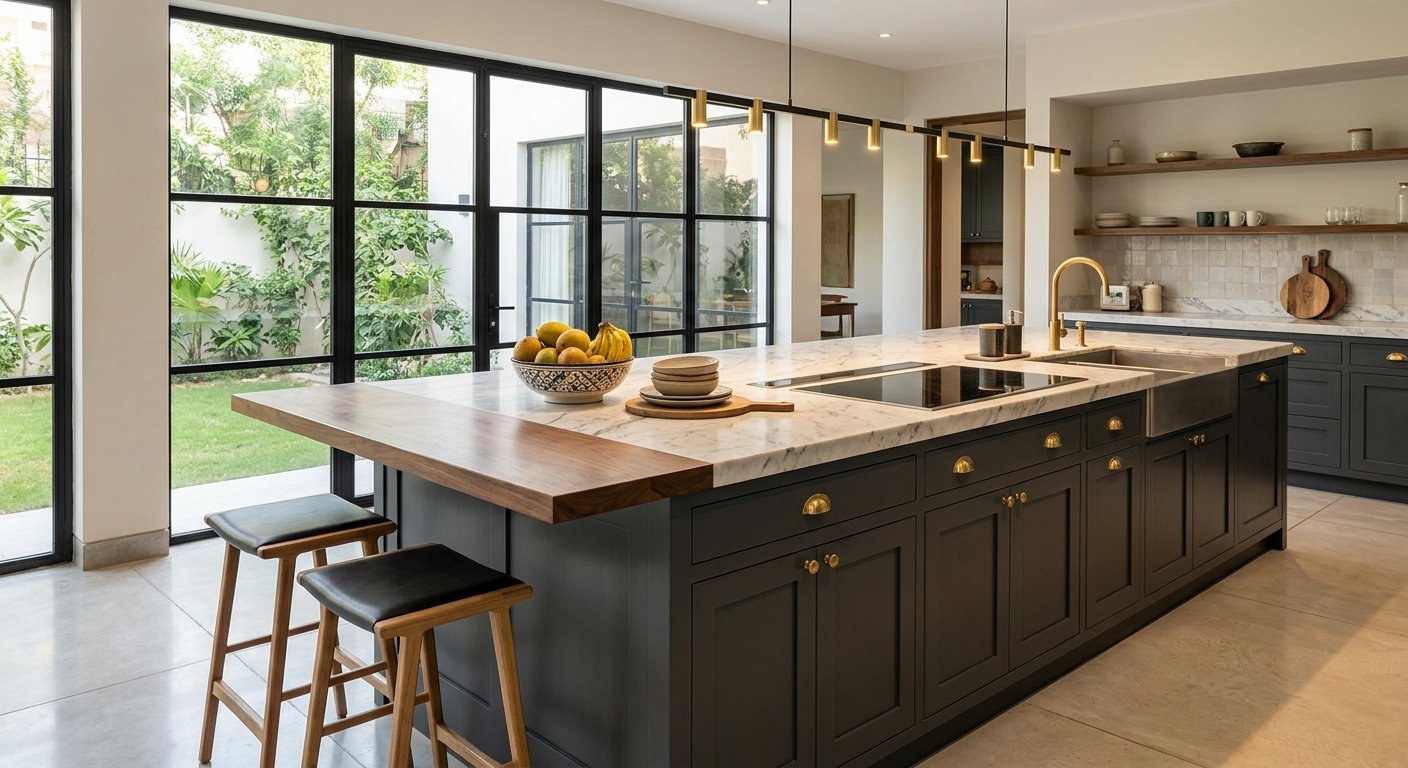

Introduction to the Kitchen Island Bench
A kitchen island bench is one of the most useful features you can add to a modern kitchen. It provides extra workspace, creates more storage opportunities, and gives family members a comfortable place to gather. Whether you’re planning a new kitchen or updating an existing one, the right island bench can make the room more practical, attractive, and enjoyable.
Today, kitchens serve many purposes. They’re places where people prepare meals, enjoy breakfast, help children with homework, and entertain friends. An island bench can bring these activities together while helping the kitchen stay organized.
However, choosing the perfect island involves more than selecting a beautiful countertop. You must consider the available floor space, cabinet design, countertop material, lighting, seating, and your household’s daily needs. After all, a stylish island won’t be much help if it blocks the dishwasher or makes it difficult to move around.
Fortunately, there are many designs to choose from. A compact island can suit a small apartment, while a large custom-built island may become the main feature of an open-plan home. With careful planning, even a simple design can provide excellent value.
This guide explains the different types of kitchen island benches, their benefits, suitable materials, dimensions, storage ideas, maintenance requirements, and installation considerations. It also offers practical advice to help you make a confident decision.
What Is a Kitchen Island Bench?
A kitchen island bench is a freestanding countertop unit positioned within a kitchen. Unlike a standard countertop attached to a wall, an island usually allows access from several sides.
Depending on its size and design, it may include cupboards, drawers, open shelves, a sink, a cooktop, electrical outlets, or a breakfast bar.
Some island benches are simple work surfaces. Others combine several functions, making them useful for cooking, dining, storage, and entertaining.
For example, you could prepare vegetables on the main countertop, store pots and pans in drawers underneath, and serve meals from the opposite side. If the design includes seating, family members can sit nearby while food is being prepared.
Kitchen Island Bench vs. Kitchen Peninsula
Although these features can look similar, they’re different in one important way.
A kitchen island bench is generally separate from the walls and surrounding cabinets. A kitchen peninsula connects to a wall or an existing cabinet run at one end.
Both options can provide extra workspace and storage. However, an island normally offers more flexibility for movement around the countertop, while a peninsula can be more practical in a narrow kitchen.
Before deciding, examine the shape of your room and consider how people move between the refrigerator, sink, cooktop, and dining area.
Benefits of Installing a Kitchen Island Bench
A well-planned island bench can improve the way your kitchen looks and functions. Its value depends on how effectively the design meets your needs.
Additional Food Preparation Space
One of the main advantages is having more room to prepare meals.
In a small kitchen, the main countertop can quickly become crowded with ingredients, appliances, and cooking tools. An island provides another surface for chopping vegetables, mixing ingredients, arranging plates, and preparing several dishes at once.
This extra room can be especially helpful when cooking for a large family or entertaining guests.
Better Kitchen Storage
The space underneath an island can provide useful storage for everyday items.
You could include:
- Deep drawers for pots, pans, and lids.
- Small drawers for cutlery and kitchen tools.
- Cupboards for plates, bowls, and serving dishes.
- Pull-out bins for waste and recycling.
- Shelves for cookbooks and baskets.
- Dedicated cupboards for small appliances.
When storage is arranged according to your daily routine, you can find items more quickly and keep the countertop clear.
A Convenient Dining Area
An island with an extended countertop can serve as an informal dining space.
It’s useful for quick breakfasts, afternoon snacks, and casual meals. In open-plan homes, it can also provide a natural connection between the kitchen and living room.
Instead of adding a separate table, you may be able to use the island for several activities.
A Place to Gather
Cooking can be more enjoyable when family members and friends can join the conversation.
An island creates a central meeting point where someone can prepare dinner while others sit nearby. Children may use the seating area for a snack, while guests can chat without crowding the main preparation zone.
With the right layout, the kitchen becomes a welcoming space rather than just a room for cooking.
A Strong Visual Feature
A kitchen island bench can become the focal point of the room. Contrasting cabinet colours, attractive countertop patterns, stylish stools, and pendant lights can create a balanced design.
You don’t need expensive materials to achieve an appealing result. Good proportions, coordinated finishes, and neat installation can make even a simple island look impressive.
Popular Kitchen Island Bench Designs
The best design depends on your kitchen’s size, decorating style, and practical requirements. Here are several popular options to consider.
Modern Minimalist Kitchen Island Bench
A minimalist island uses simple shapes, clean lines, and uncluttered surfaces.
White, grey, cream, and natural timber are common choices. Flat cabinet doors and hidden storage help maintain a neat appearance.
This style works well in contemporary homes, particularly when the surrounding kitchen uses similar finishes.
To create a minimalist look, consider:
- Plain cabinet fronts.
- A countertop with subtle patterns.
- Hidden handles or simple hardware.
- A limited colour palette.
- Well-planned lighting.
The result is a kitchen that feels calm and organized.
Waterfall Kitchen Island Bench
A waterfall island has a countertop material that continues down one or both sides to the floor.
This design creates a continuous appearance and gives the island a bold architectural shape. Stone and stone-look surfaces are often used to achieve this effect.
A white countertop with grey veining can create a light, elegant look, while a dark surface may provide a dramatic contrast.
However, waterfall edges can increase material and installation costs. The vertical panels also need careful fabrication to achieve neat joints.
Before selecting this style, ask your supplier about material thickness, edge details, installation requirements, and maintenance.
Farmhouse Kitchen Island Bench
A farmhouse island combines traditional details with everyday practicality.
Timber surfaces, painted cabinetry, decorative panels, and classic handles can create a warm atmosphere. White cabinets with a wooden countertop are a popular combination.
You can also use a muted green or navy finish to introduce colour without making the kitchen feel too busy.
Open shelves and woven baskets may add character, but avoid filling every available space. A few carefully chosen details can make the design feel more natural.
Small Kitchen Island Bench
A small island can provide valuable workspace without dominating the room.
Compact designs may include a narrow countertop, a few drawers, or a movable base. Some models also offer a small seating extension.
The key is to identify your main priority. If you need extra preparation space, choose a clear countertop. If storage is more important, focus on practical drawers and cupboards.
Avoid adding too many features to a compact island. Keeping the design simple often produces a better result.
Portable Kitchen Island Bench
A portable island is suitable for renters, apartment owners, and people who prefer flexible furniture.
Many models include wheels, shelves, drawers, and a wooden or laminate countertop. When more floor space is needed, the unit can be moved to another position.
Look for secure wheel locks, a stable base, and a suitable weight capacity. The island shouldn’t slide around while you’re chopping ingredients or placing heavy items on it.
Also, make sure the unit doesn’t block doorways or essential walking routes when moved.
Luxury Kitchen Island Bench
A luxury island may feature custom cabinetry, premium stone, integrated appliances, and a spacious seating area.
It can be a striking feature in a large kitchen, particularly when the materials and lighting complement the surrounding room.
However, luxury doesn’t have to mean adding every available feature. A well-built island with useful storage and a durable countertop can be more valuable than an oversized design that costs more to maintain.
Choosing the Right Kitchen Island Bench Size
Size is one of the most important parts of island planning. A unit that’s too large can make the kitchen uncomfortable, while a very small island may not provide enough useful space.
Before purchasing an island, measure the kitchen and consider the position of the refrigerator, sink, cooktop, cabinets, and doors.
Recommended Clearance Around the Island
As a general guideline, aim for around 36–42 inches (91–107 cm) of clearance around the island where possible.
The correct distance depends on the kitchen layout, appliance doors, accessibility needs, and the number of people using the space. Busy kitchens may need wider walkways.
Remember to check how much room is required when the dishwasher, oven, or refrigerator door is fully open.
Common Kitchen Island Bench Dimensions
The following measurements are general starting points, not fixed requirements.
| Feature | Common planning measurement |
|---|---|
| Compact island length | Around 3–4 feet |
| Medium island length | Around 4–6 feet |
| Large island length | Around 6–8 feet or more |
| Typical countertop height | Around 36 inches |
| General walkway clearance | Around 36–42 inches |
| Breakfast-bar overhang | Often around 12–15 inches, depending on design |
The right measurements depend on the chosen furniture, countertop material, and intended use. Confirm the final dimensions with a qualified kitchen designer or installer.
How to Measure Your Kitchen
Follow these steps before finalizing your design:
- Measure the length and width of the kitchen.
- Mark the positions of cabinets, doors, windows, and appliances.
- Identify the main walking routes.
- Check the space needed for open drawers and appliance doors.
- Use masking tape to mark the proposed island on the floor.
- Walk around the marked area and test the layout.
This simple method can reveal problems before you spend money on materials or installation.
Best Materials for a Kitchen Island Bench
The countertop material affects durability, appearance, maintenance, and cost. Choosing carefully can help you avoid unnecessary repairs and cleaning difficulties.
Granite
Granite is a natural stone known for its distinctive patterns and generally good durability.
Its appearance varies from slab to slab, so you can select a piece with a pattern that suits your kitchen.
Some granite surfaces require periodic sealing. Ask your supplier about the specific stone’s resistance to stains, heat, and common household products.
Marble
Marble is valued for its natural veining and elegant appearance.
However, it can scratch and develop marks when exposed to acidic substances such as lemon juice or vinegar. These marks, known as etching, can affect the finish.
Marble may suit homeowners who appreciate its natural character and are comfortable with its care requirements.
Engineered Stone
Engineered stone products are available in many colours and patterns. They can provide a consistent appearance across the countertop.
Their performance depends on their composition and manufacturer. Some products may be sensitive to high heat, so hot cookware should be placed on suitable trivets.
Certain engineered-stone products contain crystalline silica. Cutting and grinding such materials can create dangerous dust, so fabrication must be carried out using appropriate safety measures and in accordance with local rules.
Solid Wood
Wood adds warmth and natural texture to an island.
Oak, maple, walnut, and other timber varieties are used for kitchen countertops and butcher-block surfaces.
Wood may develop scratches or absorb moisture if it isn’t properly protected. Its maintenance needs depend on the finish, so follow the manufacturer’s cleaning and treatment instructions.
Laminate
Laminate is often an economical option for homeowners who want an attractive countertop without paying for premium stone.
It comes in many patterns, including designs that imitate wood, marble, and concrete.
Although laminate is relatively easy to clean, excessive heat and moisture entering damaged joints can cause problems. Use chopping boards and heat-resistant mats to protect the surface.
Stainless Steel
Stainless steel is often used in professional kitchens because it’s practical and has a clean, modern appearance.
When properly manufactured and maintained, it provides a non-porous surface. However, scratches, fingerprints, and water marks may be visible.
It can be a suitable choice for industrial-style or contemporary kitchens.
Comparing Countertop Materials
| Material | Main advantage | Main consideration |
|---|---|---|
| Granite | Durable natural appearance | Some varieties need sealing |
| Marble | Elegant natural patterns | Can stain or etch |
| Engineered stone | Consistent colours | Check heat limits and product composition |
| Solid wood | Warm, natural finish | Needs moisture protection |
| Laminate | Budget-friendly variety | Vulnerable to heat and damaged edges |
| Stainless steel | Practical and non-porous | Scratches may be noticeable |
Compare the complete cost, including installation and maintenance, before making your decision.
Smart Storage Ideas for a Kitchen Island Bench
A kitchen island can solve storage problems when the internal layout is designed carefully.
Deep Drawers for Cookware
Deep drawers provide convenient access to pots, pans, lids, and mixing bowls.
Unlike deep cupboards with fixed shelves, drawers allow you to see stored items more easily. Strong runners and suitable weight ratings are important for heavy cookware.
Pull-Out Waste Bins
Built-in waste and recycling bins help keep the kitchen tidy.
Choose a system that’s easy to remove and clean. Confirm that the selected containers fit inside the cabinet and don’t interfere with plumbing or other fittings.
Open Shelves for Everyday Items
Open shelves can hold cookbooks, baskets, bowls, or decorative objects.
They work best when the contents are arranged neatly and kept away from cooking splashes. Too many items can make the island look cluttered.
Hidden Appliance Storage
A dedicated cupboard can provide a home for small appliances, such as a blender or food processor.
Measure the appliances before designing the storage space. If an appliance needs ventilation or electrical access, plan those requirements carefully.
Organized Cutlery Drawers
Drawer dividers can keep cutlery and cooking tools separate. You might also dedicate a drawer to napkins, lunch containers, or serving utensils.
When frequently used items are stored close to the preparation area, cooking becomes easier and faster.
Kitchen Island Bench With Seating
Seating can turn an island into a practical dining area.
It’s useful for breakfast, snacks, casual meals, and conversations while someone prepares dinner. However, seating must be planned so that it doesn’t interfere with kitchen movement.
Choosing the Right Stool Height
Counter-height islands are often around 36 inches high. Stools with seats around 24–26 inches high are commonly suitable for this type of counter, although you should confirm the actual measurements.
Taller bar-height islands require taller stools.
Allowing Enough Space for Each Person
Around 24 inches of countertop width per person is a useful starting point for comfortable seating. Larger stools or wider seating arrangements may require more room.
You also need enough space behind the stools for people to pull out their seats and move past safely.
Designing a Comfortable Overhang
A countertop overhang provides room for knees and legs.
The required depth depends on the stool position, countertop construction, and support system. Longer overhangs may require brackets or other structural support.
Always confirm the design with a qualified installer, particularly when using heavy stone countertops.
Lighting Ideas for a Kitchen Island Bench
Lighting can improve food preparation and highlight the island’s design.
Pendant Lights
Pendant lights are a popular choice because they provide focused illumination and create a decorative feature.
One larger light may suit a small island, while several smaller fixtures can work above a longer countertop.
Choose fixtures that match the kitchen’s style and don’t obstruct views across the room.
Recessed Lighting
Recessed ceiling lights provide general illumination without taking up visual space.
Their placement matters because people standing at the island may cast shadows over the work surface. Combine general lighting with suitable task lighting for better visibility.
Under-Counter Lighting
LED strips beneath cabinets or countertop edges can highlight the island’s shape and create a soft evening atmosphere.
Choose fixtures suitable for the intended location and have electrical work completed according to local safety requirements.
Choosing Light Colours
Warm white light can create a welcoming atmosphere, while neutral white lighting may suit detailed food preparation.
Using different lighting layers gives you more flexibility. Dimmable lights can also help the kitchen transition from a busy cooking area to a relaxed evening space.
Kitchen Island Bench Colours and Finishes
Colour affects how the island fits into the overall kitchen design.
White and Cream
White and cream finishes can make a kitchen feel bright and open. They work particularly well with natural timber, brushed metal, and subtle stone patterns.
Black and Charcoal
Dark colours create a strong contrast against lighter cabinets. They’re suitable for modern and industrial interiors.
However, some dark finishes show fingerprints, dust, and water marks more clearly, so consider the amount of cleaning you’re willing to do.
Natural Timber
Timber adds warmth and texture. It can complement white cabinets, neutral walls, green finishes, and dark countertops.
Repeating the same timber tone in shelves or dining furniture can help connect different areas of the kitchen.
Two-Tone Designs
A two-tone kitchen uses different colours for the island and surrounding cabinets.
For example, a navy island can contrast with white cabinetry, while a muted green island can complement cream or beige finishes.
The key is to use a balanced palette rather than introducing too many competing colours.
Planning Plumbing, Electricity, and Appliances
A kitchen island may include a sink, cooktop, dishwasher, or electrical outlets. These additions need careful planning before construction begins.
Adding a Sink
An island sink requires appropriate water supply and drainage. Depending on the plumbing system, ventilation may also be needed.
Installation can become more complicated if pipes must be routed through a concrete floor or around existing structures.
Ask a qualified plumber to assess the options and explain the likely costs before finalizing the layout.
Installing a Cooktop
A cooktop can make the island a central cooking area, but it introduces heat, ventilation, and safety considerations.
You need suitable landing space beside the cooking surface and the ventilation required by the appliance and local regulations.
If children will sit at the island, consider whether placing hot pans near the seating area is appropriate.
Electrical Outlets
Outlets can be useful for small appliances and other approved equipment.
Their position and protection must comply with local electrical rules, especially when water is nearby. A qualified electrician can help determine the safest arrangement.
Adding a Dishwasher
A dishwasher beneath the island can improve the workflow between washing, preparation, and storage areas.
However, the design must allow for plumbing, electrical connections, ventilation where required, and access for future repairs.
Planning these features early is usually easier than adding them after the cabinets and countertop are installed.
Kitchen Island Bench Ideas for Small Homes
A smaller kitchen can still benefit from an island, provided the design leaves enough room for safe movement.
Choose a Narrow Island
A narrow island may provide enough space for chopping vegetables, preparing ingredients, and placing groceries.
Prioritize the features you need most and avoid unnecessary extensions.
Use a Movable Island
A portable unit can be moved aside when you need additional floor space. Lockable wheels help keep it stable during use.
This option is particularly useful for apartments and multipurpose rooms.
Keep the Design Simple
A compact island with a plain countertop and a few useful drawers can be more practical than one packed with features.
Light colours and coordinated finishes can also help the room feel visually open.
Consider a Peninsula Instead
If an island blocks movement, a peninsula may provide similar benefits while using space more efficiently.
Because it connects to a wall or cabinet run, it can be easier to fit into certain narrow kitchens.
Kitchen Island Bench Ideas for Large Homes
Large kitchens provide more flexibility, but careful planning is still essential.
Add a Generous Breakfast Bar
A large island can provide seating for several family members. Position the stools so people can talk comfortably without interfering with food preparation.
Create Separate Work Zones
A large countertop can be divided into areas for chopping, mixing, serving, and dining.
Clear zones help family members work together without crowding one another.
Combine Different Materials
A stone preparation surface with timber cabinetry can create a balanced appearance.
You could also use a different countertop finish for the seating section. Check that all materials are suitable for their intended purpose and can be maintained properly.
Consider Two Islands
Some very large kitchens can accommodate two islands. One may serve as the main preparation area, while the other provides seating or serving space.
This arrangement requires enough room between the islands and surrounding cabinets. It should improve the kitchen’s workflow rather than simply fill the available floor space.
How Much Does a Kitchen Island Bench Cost?
The total price depends on the island’s size, materials, cabinet construction, appliances, and installation requirements.
A simple portable unit may cost much less than a custom-built island with premium stone, a sink, and integrated appliances.
Prices also vary by location, supplier, and labour costs, so local quotations are the best way to estimate your budget.
Main Factors That Affect Cost
- Size: Larger islands generally need more materials and labour.
- Countertop: Premium stone and custom finishes may increase the price.
- Cabinetry: Custom-made storage often costs more than standard cabinets.
- Plumbing: A sink or dishwasher may require additional pipework.
- Electricity: Outlets and appliances need suitable electrical connections.
- Installation: Delivery, assembly, support, and finishing can add to the final cost.
Practical Ways to Save Money
You can create a useful island without choosing the most expensive materials.
Consider standard cabinet sizes, compare countertop options, and focus on storage features you’ll use regularly. If possible, keep plumbing and electrical work simple.
Request written quotations that clearly explain which materials and services are included. It’s also sensible to keep a contingency for unexpected work.
How to Maintain and Clean a Kitchen Island Bench
Regular care helps keep the island looking attractive and extends the life of its materials.
Clean the Surface Daily
Wipe the countertop after food preparation using a soft cloth and a suitable cleaning product.
Clean spills promptly, particularly those involving oil, sauces, coffee, or acidic ingredients.
Protect Against Heat
Hot cookware can damage some countertops or affect their finish. Use suitable trivets rather than placing hot pots directly on the surface.
Prevent Scratches
Use chopping boards and avoid dragging heavy cookware across the countertop.
Even durable surfaces can be damaged if they’re used carelessly.
Maintain Wooden Countertops
Wooden surfaces may need occasional oiling or refinishing, depending on the finish.
Wipe away standing water and pay attention to joints and edges, where moisture can cause damage.
Care for Cabinets and Handles
Grease and fingerprints can build up around drawer handles and cabinet doors.
Clean these areas with products suitable for the finish, and dry wet surfaces to help prevent moisture damage.
Common Kitchen Island Bench Mistakes to Avoid
Even an attractive island can become inconvenient if the layout isn’t planned properly.
Choosing an Island That’s Too Large
An oversized island may restrict movement and make the kitchen feel crowded.
Measure carefully, mark the proposed dimensions on the floor, and check the space needed for appliances and seating.
Ignoring Kitchen Workflow
The island should support the way you prepare meals.
Think about the distance between the refrigerator, sink, cooktop, and preparation area. A practical arrangement reduces unnecessary movement.
Selecting Materials Only for Appearance
Some surfaces require more care than others.
Compare durability, stain resistance, heat limitations, cleaning needs, and repair options before choosing a countertop.
Adding Too Many Features
A sink, cooktop, dishwasher, refrigerator, and breakfast bar may sound appealing, but each feature uses space and increases complexity.
Start with your main priorities and add other features only when the layout supports them.
Forgetting Structural Support
Heavy countertops and extended seating areas may require additional support.
Ask a qualified installer to check the structure, especially if you’re choosing stone or a long overhang.
How to Choose the Best Kitchen Island Bench for Your Lifestyle
The right island depends on how you use your kitchen every day.
A household that prepares large meals may need extensive workspace and deep drawers. A busy family might prefer a breakfast bar with easy-to-clean surfaces. Someone living in an apartment may benefit most from a compact, movable design.
Use this table to identify a suitable starting point.
| Main priority | Suitable design |
|---|---|
| Saving floor space | Compact or portable island |
| Extra preparation area | Island with a clear countertop |
| Family dining | Island with supported seating |
| Maximum storage | Cabinets and deep drawers |
| Modern appearance | Minimalist island |
| Traditional style | Farmhouse or timber island |
| Premium finish | Carefully selected stone countertop |
| Flexible use | Movable island with lockable wheels |
Before purchasing, ask yourself:
- How many people regularly use the kitchen?
- Do I need more workspace or more storage?
- Will anyone sit at the island every day?
- Do I want a sink or cooking appliances?
- How much maintenance am I comfortable with?
- What is my total budget, including installation?
- Will the island leave enough room to move safely?
These questions can help you focus on features that offer real value.
Kitchen Island Bench Installation Tips
Successful installation begins with accurate measurements and a clear plan.
First, finalize the layout and confirm the island’s dimensions. If plumbing, electrical outlets, or cooking appliances are involved, arrange professional assessments before construction begins.
Next, choose materials that suit your budget and intended use. Check countertop thickness, cabinet measurements, edge details, and any structural support requirements.
During installation, make sure the cabinets are level and secure. The countertop should be fitted according to the manufacturer’s instructions.
If you’re renovating an existing kitchen, inspect the floor and the location of existing services before work begins. Moving pipes or electrical connections may increase the cost and complexity of the project.
Finally, inspect the completed island. Open every drawer, check the cabinet doors, test the installed appliances, and confirm that the walkways remain clear.
For complex projects, use qualified tradespeople who understand local building, plumbing, electrical, and ventilation requirements.
Frequently Asked Questions About Kitchen Island Bench Designs
Is a kitchen island bench worth installing?
It can be worthwhile if you need extra preparation space, storage, or seating. However, it may not suit a kitchen where space is already limited. Measure carefully before choosing a permanent island.
What is the best countertop material?
The best material depends on your budget, cooking habits, and maintenance preferences. Granite, timber, laminate, and engineered stone all have different advantages and limitations.
Can I install an island in a small kitchen?
Yes, if there’s enough room for comfortable movement. A compact island or movable unit may work well. A peninsula may be a better alternative when space is especially limited.
Does an island have to match the cabinets?
No. Contrasting colours can make the island stand out. However, repeating certain materials or colours elsewhere in the kitchen can help create a coordinated appearance.
Is seating necessary?
No. An island can be designed purely for preparation and storage. This may be more practical for people who need additional workspace but don’t require a dining area.
Can I add a sink to an existing island?
Possibly. The decision depends on the available plumbing, floor construction, drainage arrangements, and island design. A qualified plumber can assess whether the modification is practical.
How can I make my island look more expensive?
Focus on good proportions, coordinated finishes, quality hardware, and suitable lighting. A clean, well-installed design can look elegant without unnecessary extras.
Conclusion: Build a Better Kitchen With the Right Kitchen Island Bench
A kitchen island bench can make a kitchen more practical, organized, and welcoming. It provides a place to prepare meals, store cookware, serve food, and spend time with family and friends.
The most successful design balances appearance with everyday function. Before making a decision, consider your kitchen’s dimensions, preferred materials, storage needs, seating arrangements, lighting, and total installation budget.
You don’t need an oversized island or the most expensive countertop to create a beautiful result. A compact design with useful storage and a durable surface may provide everything your household needs.
Take time to compare your options, measure carefully, and seek professional advice when plumbing, electrical work, or structural support is required. With thoughtful planning, the right kitchen island bench can become a valuable and enjoyable part of your home for years to come.
Kitchen Island Bench: More Creative Ideas, Trends, and Expert Planning Tips
Modern Kitchen Island Bench Trends for Contemporary Homes
A modern kitchen island bench is more than a place to prepare meals. It can become the centre of the entire kitchen, combining style, comfort, and practical features in one design. Homeowners increasingly look for layouts that support cooking, dining, working, and socializing without making the room feel crowded.
One popular approach is to keep the island simple while adding a few standout features. A textured countertop, attractive pendant lights, or contrasting cabinetry can create a strong visual effect without overwhelming the space.
Natural materials are also useful for creating a welcoming atmosphere. Timber details, stone-inspired surfaces, and soft neutral colours can work together to make the kitchen feel warm and inviting.
When exploring modern trends, remember that a fashionable design should still meet your everyday needs. Choose features that will remain useful long after current styles change.
Kitchen Island Bench With Built-In Storage
Storage can make a major difference in how efficiently your kitchen works. A well-designed island provides room for cookware, utensils, food containers, and other everyday essentials.
Pull-Out Drawers
Pull-out drawers are particularly useful because they allow you to see stored items without reaching deep into a cupboard. You can organize pots, pans, baking trays, and kitchen tools in separate sections.
Drawer dividers can help keep everything in place. For heavier cookware, choose sturdy drawer runners with a suitable weight rating.
Hidden Storage Cabinets
Cabinets beneath the island can hold larger items, including mixing bowls, serving dishes, and small appliances. Adjustable shelves make it easier to organize objects of different sizes.
For a cleaner appearance, consider cabinet doors that match the island’s overall design.
Open Display Shelves
Open shelving is a good choice for displaying cookbooks, attractive bowls, baskets, or frequently used items.
However, avoid filling every shelf. A little empty space makes the design feel more organized and prevents the island from looking cluttered.
Kitchen Island Bench With a Breakfast Bar
A breakfast bar turns the island into a convenient place for quick meals and casual conversations. It’s especially useful in open-plan homes where the kitchen connects directly to the living area.
Planning the Seating Area
Start by deciding how many people will regularly use the breakfast bar. Allow enough width for each seat and sufficient room behind the stools for people to sit down and stand up.
Counter-height seating is often a comfortable option for everyday family use. Make sure the stools match the finished countertop height and provide suitable legroom.
Choosing the Right Countertop Extension
A breakfast bar usually needs an overhang so that people can sit comfortably without their knees hitting the cabinets.
The required overhang depends on the countertop material, seating arrangement, and support system. Longer extensions may need brackets or other structural support, so ask your installer to confirm the design.
Making the Breakfast Bar More Inviting
You can improve the appearance of the seating area with coordinated stools, warm lighting, and a simple decorative centrepiece.
Keep the main food-preparation area clear, especially if several people use the kitchen at the same time.
Small Kitchen Island Bench Ideas for Limited Spaces
Small kitchens benefit from smart furniture choices and careful planning. A compact island can offer extra workspace, but it must not obstruct essential walking routes.
Choose a Compact Design
A narrow island may be sufficient for chopping vegetables, preparing ingredients, or placing groceries while unpacking shopping bags.
Select a size that leaves enough space for surrounding cabinet doors, drawers, and appliances to open properly.
Consider a Movable Island
A portable island allows you to change the kitchen layout when needed. You can move it closer to the wall to create additional space or bring it into the centre when preparing a large meal.
Choose a stable model with lockable wheels and a countertop suitable for your intended activities.
Use Light Colours
White, cream, and pale timber finishes can help a small kitchen feel brighter. A simple design with fewer visual details may also make the room feel less crowded.
Light colours won’t increase the actual floor area, of course, but they can contribute to a more open appearance.
Kitchen Island Bench Materials: What Should You Choose?
The countertop material affects appearance, maintenance, and long-term performance. Before choosing a surface, think about how frequently you cook and how much care you’re willing to provide.
Natural Stone Countertops
Natural stone offers distinctive patterns and a premium appearance. Granite is often selected for its durability, while marble is valued for its natural veining.
Different stones have different care requirements. Some need periodic sealing, and certain surfaces can be damaged by acidic foods or harsh cleaning products.
Timber Countertops
Timber creates a warm, natural appearance that suits traditional and modern kitchens.
It can be a useful choice for a breakfast bar or preparation area, depending on the finish and intended use. However, standing water and untreated surfaces can lead to damage, so proper cleaning and maintenance are important.
Laminate Countertops
Laminate offers a wide range of colours and patterns at different price points. Some designs imitate wood, stone, or concrete.
It’s generally easy to clean, but excessive heat, sharp objects, and moisture entering damaged joints can cause problems.
Comparing Your Options
| Material | Appearance | Maintenance consideration |
|---|---|---|
| Granite | Natural and distinctive | Some varieties require sealing |
| Marble | Elegant and decorative | Can stain or develop acid marks |
| Timber | Warm and natural | Needs suitable moisture protection |
| Laminate | Available in many patterns | Protect edges from heat and moisture |
| Stainless steel | Clean and contemporary | Scratches and fingerprints may show |
| Engineered stone | Consistent patterns and finishes | Check heat limits and product-specific requirements |
Always follow the manufacturer’s cleaning instructions and confirm that the selected material is suitable for your kitchen activities.
Lighting Ideas That Highlight Your Kitchen Island Bench
Lighting helps make an island more useful and visually attractive. A good plan should provide enough illumination for food preparation while creating a comfortable atmosphere.
Pendant Lighting
Pendant lights can add character above the island. One large fixture may suit a compact island, while a row of smaller lights can work well above a longer surface.
Choose fixtures that complement the kitchen’s style and don’t obstruct views across the room.
Recessed Ceiling Lights
Recessed lights provide general illumination without taking up visual space. Their placement should reduce shadows on the countertop and provide consistent lighting throughout the kitchen.
Decorative Under-Counter Lighting
LED lighting beneath the countertop or cabinets can highlight the island’s shape. It may also provide gentle illumination in the evening.
For the best result, combine decorative lighting with practical task lighting rather than relying on one type alone.
How to Keep Your Kitchen Island Bench Organized
Even an attractive island can become messy if everyday items don’t have a proper place.
Start by deciding which items deserve to stay on the countertop. A fruit bowl, a small utensil holder, or one decorative object may be enough.
Store less frequently used appliances inside cabinets. Keep knives and cooking tools in appropriate storage, and use drawer organizers for smaller objects.
After preparing meals, wipe the surface and return utensils to their designated places. This simple routine helps keep the kitchen ready for the next activity.
If several family members use the island, make sure everyone understands where common items belong. An organized kitchen is easier to maintain when storage arrangements are simple and consistent.
Common Design Problems and How to Solve Them
Insufficient Walking Space
A large island may look appealing in a showroom but become inconvenient in a smaller kitchen.
Solution: Measure the available floor area and mark the proposed island dimensions before purchasing anything. Check appliance doors and drawers in their fully open positions.
Poorly Planned Seating
Stools that are too tall, too wide, or difficult to move can make the breakfast bar uncomfortable.
Solution: Measure the countertop height, compare stool dimensions, and allow sufficient room for each person.
Limited Electrical Access
An island may become less convenient if you plan to use small appliances but have no suitable electrical outlets.
Solution: Discuss outlet placement with a qualified electrician before construction. All electrical work must follow local safety requirements.
Too Much Countertop Decoration
Large decorative objects can reduce the usable work surface.
Solution: Keep decorations simple and leave the main preparation area clear.
Choosing Materials Without Checking Maintenance Needs
Some surfaces require more care than others.
Solution: Review the manufacturer’s cleaning and maintenance instructions before making your final decision.
How to Plan a Kitchen Island Bench Renovation
A successful renovation begins with a clear plan. You don’t need to decide every decorative detail immediately, but the important measurements and practical requirements should be settled early.
First, establish your budget and identify the main reason for adding an island. You may need more storage, additional preparation space, seating, or a combination of these features.
Next, measure the kitchen and create a rough layout. Mark the proposed island dimensions on the floor to check whether the arrangement feels comfortable.
After that, select the countertop, cabinet finish, and storage configuration. If you plan to include plumbing, appliances, or electrical outlets, arrange professional assessments before finalizing the design.
Request written quotations and check what each quote includes. Delivery, installation, structural support, plumbing, and electrical work may be charged separately.
Finally, review the complete plan before approving fabrication. Making changes at this stage is generally easier than modifying the island after installation.
Frequently Asked Questions About Kitchen Island Bench Planning
Can a kitchen island bench increase home appeal?
A well-designed island may make a kitchen more attractive to potential buyers because it can provide additional workspace, storage, and seating. However, its value depends on the property’s location, overall condition, buyer preferences, and quality of installation. An island that makes the kitchen cramped may have the opposite effect.
Is a wooden kitchen island bench practical?
Yes, if you choose a suitable timber and finish and maintain it properly. Wood provides a warm appearance, but it needs protection from standing water, excessive heat, and unnecessary scratching.
Should I install a sink in the island?
A sink can improve convenience, especially when the island is close to the main food-preparation area. However, the plumbing arrangement and available space must support it. Consider whether a sink will reduce the countertop area you need for other tasks.
What is the easiest kitchen island bench to maintain?
A simple island with a durable countertop, accessible storage, and minimal decorative details is often easier to maintain than a complicated design. The easiest material depends on the manufacturer’s specifications and your household’s cooking habits.
Can a kitchen island bench work without seating?
Absolutely. An island designed only for preparation and storage can provide a large, uninterrupted work surface. This may be the best option for households that cook frequently but don’t need a breakfast bar.
Final Thoughts on Creating a Practical Kitchen Island Bench
A successful kitchen island bench combines thoughtful design with everyday convenience. It should provide useful workspace, make storage easier, and complement the kitchen without restricting movement.
Before choosing a design, consider your available space, budget, preferred materials, lighting, and family routines. Give priority to features you’ll use regularly rather than adding expensive extras simply because they’re fashionable.
Whether you choose a compact movable unit, a traditional timber island, or a modern stone design with seating, careful planning can help you achieve a kitchen that looks welcoming and works efficiently.
Ultimately, the best kitchen island bench isn’t necessarily the biggest or most expensive option. It’s the one that makes your kitchen more comfortable, organized, and enjoyable for years to come.
For more news, helpful articles, and the latest updates, visit Leo Art News.