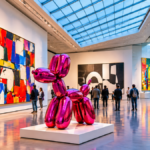

Street art has transformed the way people experience cities. What was once considered simple graffiti or unauthorized painting has become a powerful form of artistic expression. Today, ordinary walls, abandoned buildings, bridges, and public spaces can become extraordinary works of art that attract visitors from around the world.
Some street artists use colorful characters and imaginative designs, while others create powerful political messages, realistic portraits, or thought-provoking social commentary. Their work challenges traditional ideas about where art belongs and who should be able to enjoy it.
The 10 famous street artists who turned ordinary walls into extraordinary art have helped bring creativity into everyday life. From Banksy’s mysterious political murals to the colorful creations of Eduardo Kobra, these artists have shown that a city wall can become much more than part of a building.
In this article, we explore their backgrounds, artistic styles, famous projects, and contributions to modern street art.
1. Banksy – The Mysterious Artist Behind Powerful Street Art
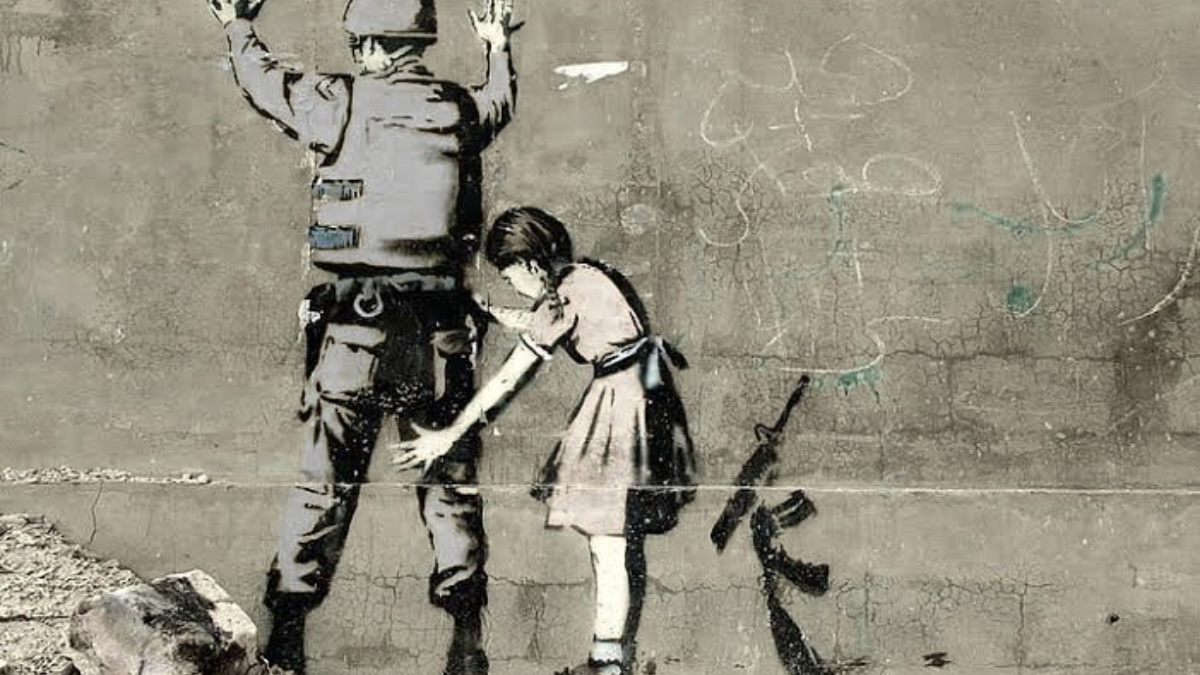
Banksy is one of the most recognizable names in modern street art. The British artist is famous for creating stencil-based murals that combine simple visual designs with powerful social and political messages. Despite worldwide attention, Banksy’s identity has not been publicly confirmed.
His artwork often explores subjects such as war, consumerism, inequality, government policies, and the challenges of modern society. Rather than using complicated details, he often communicates serious ideas through memorable images and unexpected humor.
One of his best-known works is Girl with Balloon. It shows a young girl reaching toward a red, heart-shaped balloon. The image has become an internationally recognized symbol of hope, innocence, and loss.
Another famous work is Flower Thrower, also known as Love Is in the Air. It presents a figure throwing a bouquet of flowers instead of a weapon. This surprising contrast creates a message about peace and nonviolence.
Banksy’s work demonstrates how an ordinary wall can become a platform for public discussion. His murals encourage people to stop, look, and think about issues that might otherwise be ignored.
2. Eduardo Kobra – Bringing Walls to Life with Color
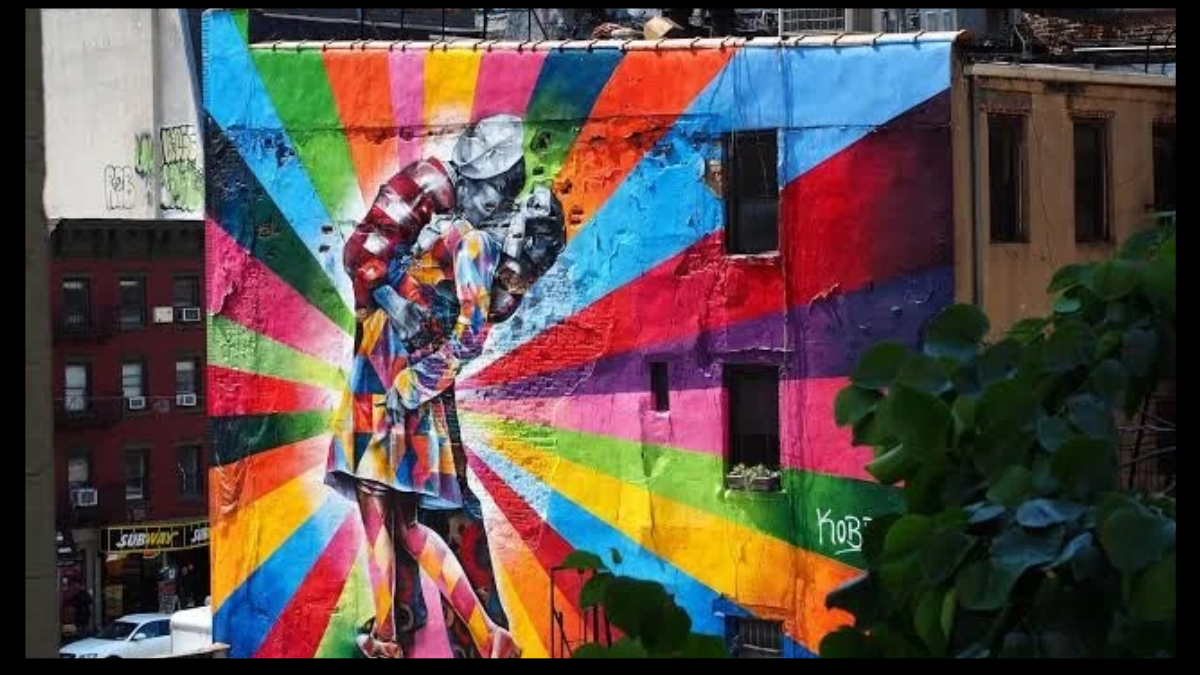
Eduardo Kobra is a Brazilian street artist known for his large-scale murals, colorful geometric patterns, and realistic portraits. His work is instantly recognizable because of its bright colors and carefully arranged shapes.
Born in São Paulo, Brazil, Kobra developed an artistic style that combines portraiture with geometric designs. His murals often celebrate cultural diversity, historical figures, and important moments in human history.
One of his most famous projects is Etnias, created for the 2016 Olympic Games in Rio de Janeiro. The enormous mural celebrates the diversity of Indigenous communities from different parts of the world. Its vivid portraits and colorful patterns turn a large urban surface into a celebration of humanity.
Kobra has also painted portraits of influential figures, including artists, musicians, and historical personalities. His murals can be found in cities across several countries.
His work proves that public art can make neighborhoods more visually exciting while also sharing messages about culture, unity, and human connection.
You can explore more of his colorful murals and artistic projects on Eduardo Kobra’s official website.
3. Shepard Fairey – Street Art with a Strong Message

Shepard Fairey is an American artist, graphic designer, and illustrator who became famous through his Obey Giant campaign. His artwork combines bold typography, strong colors, political imagery, and graphic design techniques.
Fairey began gaining attention through stickers and posters featuring the face of professional wrestler André the Giant. The simple image developed into the wider Obey campaign, which encouraged viewers to question advertising, authority, and the influence of popular culture.
One of his most recognized designs is the Hope portrait of Barack Obama, created during the 2008 United States presidential campaign. Although it is primarily known as a poster, its visual style also reflects Fairey’s wider influence on public art and political graphic design.
His murals often feature powerful portraits and messages about freedom, equality, environmental issues, and social responsibility.
Shepard Fairey’s work shows that street art does not always need to cover an entire building to make an impact. A strong image, clear message, and recognizable design can reach millions of people.
4. JR – Turning Human Stories into Giant Wall Portraits
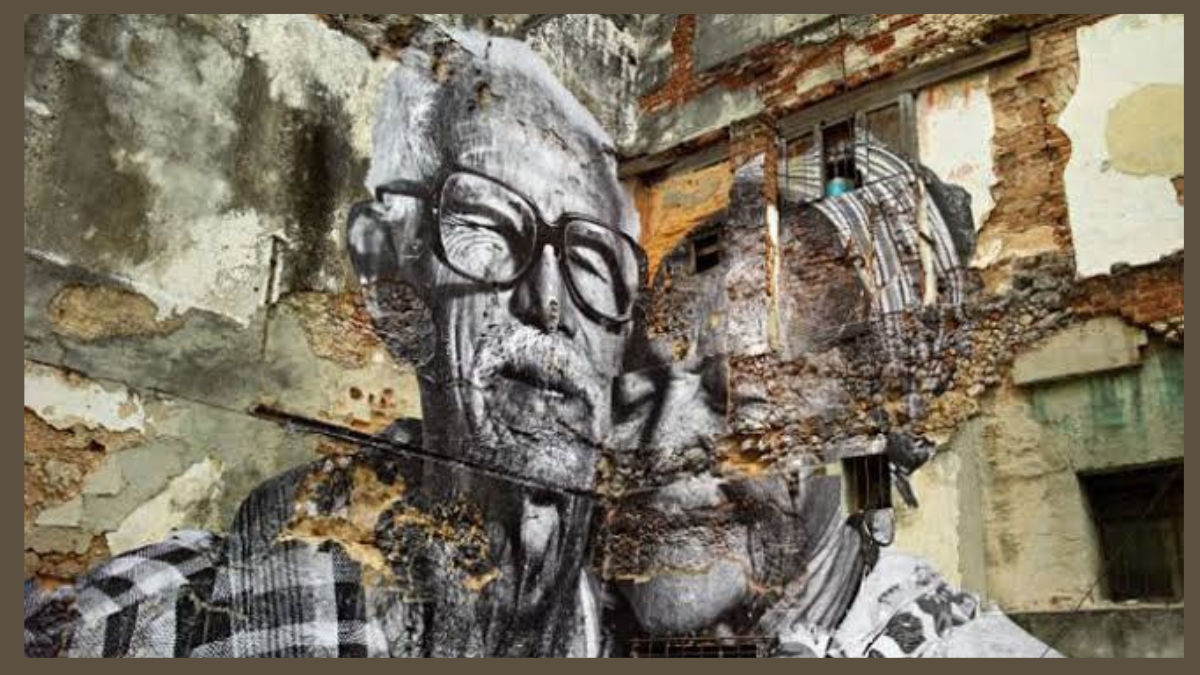
JR is a French artist known for large-scale photographic installations in public spaces. Instead of traditional painting, he often uses enormous black-and-white photographs of ordinary people to transform buildings, walls, bridges, and other urban structures.
His work focuses on human identity, community, and social issues. JR believes that public spaces can become places where people share their stories and see the experiences of others.
One of his best-known projects is Women Are Heroes, which highlights the lives and contributions of women in communities around the world. The project uses large portraits to make individuals visible in places where their stories may otherwise receive little attention.
Another important initiative is the Inside Out Project. It invites people from different communities to share portraits that can be displayed publicly. The project turns individual photographs into collective public art.
JR’s work is a reminder that extraordinary art does not always require paint or traditional artistic materials. Sometimes, a photograph and a wall are enough to create a meaningful connection between people.
To learn more about JR’s public portrait installations, visit the official Inside Out Project.
5. Os Gemeos – The Brazilian Twins with a Unique Artistic Style
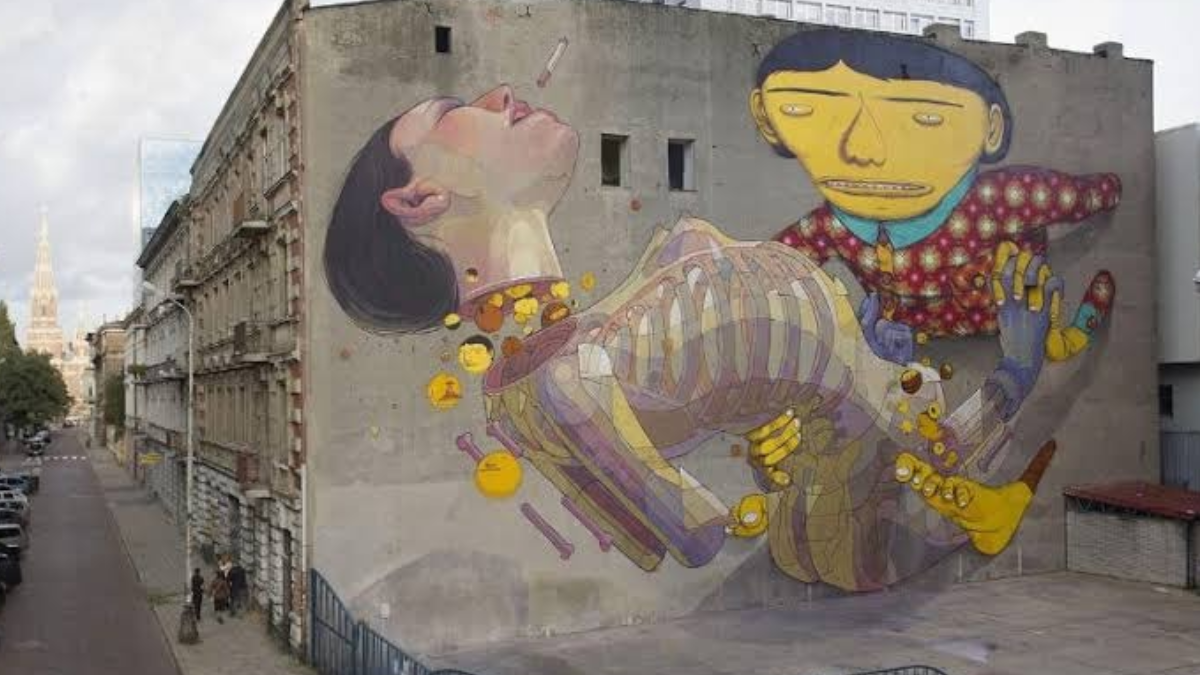
Os Gemeos is the artistic name of identical twin brothers Otávio and Gustavo Pandolfo from Brazil. They are internationally known for their imaginative street art, colorful characters, and dreamlike compositions.
The brothers began developing their artistic style in São Paulo, where graffiti culture influenced their early work. Over time, they created a distinctive visual language featuring yellow-skinned characters, unusual clothing, fantasy-inspired scenes, and playful details.
Their murals often combine Brazilian culture, personal memories, music, and social themes. The figures they paint may appear mysterious, cheerful, thoughtful, or surreal.
Os Gemeos have created murals in several countries and have exhibited their work in major art institutions. Their large-scale public projects show how graffiti can develop into a sophisticated visual art form without losing its connection to the streets.
Their creative approach makes ordinary buildings look like scenes from another world. Through imagination and bold colors, Os Gemeos have helped give street art a recognizable identity around the globe.
6. Invader – Bringing Pixel Art into Real Streets
Invader is a French street artist known for placing small mosaic artworks inspired by classic video games in public spaces. His identity is not widely known, and he is often recognized by the pixelated characters that appear on walls and buildings.
His name comes from the famous arcade game Space Invaders. The artist takes inspiration from early video-game graphics and recreates their simple pixel shapes using small colored tiles.
Invader’s works can be found in cities around the world. Each mosaic is carefully positioned in a public location, allowing pedestrians to discover it as they explore their surroundings.
His project has also developed into a worldwide artistic game. Fans can use an official app to locate and collect digital records of his installations.
Invader demonstrates that street art can be small and still attract international attention. His pixel-inspired designs bring a sense of playfulness to ordinary streets and connect modern urban art with the history of video games.
7. Vhils – Creating Art by Removing Layers of Walls
Vhils, whose real name is Alexandre Farto, is a Portuguese artist recognized for an unusual approach to urban art. Instead of simply adding paint to a wall, he often removes layers of its surface to create detailed portraits.
His technique may involve carving, drilling, chiseling, and other forms of controlled destruction. The result is a textured image that appears to emerge from the building itself.
Vhils became internationally known for his striking portraits of people. His subjects often represent ordinary individuals and communities, highlighting the human stories hidden within urban environments.
The artist’s approach connects art with the history of a place. Old walls, layers of paint, and damaged surfaces become part of the final composition.
His work offers a different understanding of street art. While many artists transform walls by adding color and imagery, Vhils creates something extraordinary by revealing what lies beneath the surface.
8. Swoon – Combining Street Art with Paper and Human Stories
Swoon, whose real name is Caledonia Curry, is an American artist known for detailed paper-cut portraits and large-scale installations. Her work brings a human and emotional quality to public spaces.
She became recognized for wheatpaste artwork, a technique in which printed or cut-paper images are attached to walls using an adhesive paste. Her portraits often feature ordinary people, with intricate lines and patterns that give each figure a distinctive appearance.
Swoon’s work explores identity, community, memory, and human relationships. She has also developed large-scale installations and community-based art projects.
Her artistic practice extends beyond traditional street murals. Through collaborative projects and public installations, she connects art with social engagement and community participation.
Swoon shows that street art can be delicate and detailed rather than enormous and brightly painted. Her paper-based images demonstrate how overlooked walls can become meaningful spaces for storytelling.
9. Blu – Large-Scale Murals That Challenge Society
Blu is an Italian street artist known for large-scale murals, imaginative figures, and politically charged visual storytelling. His work often explores environmental problems, consumer culture, conflict, and the relationship between people and power.
He became widely known through enormous murals that transform building walls into detailed visual scenes. His style often includes unusual characters, surreal combinations, and dramatic compositions.
One of his best-known projects is MUTO, an animated street-art video created by photographing painted images across different walls and surfaces. The project demonstrates how street art can move beyond a single location and become a form of animation.
Blu’s murals are often designed to make viewers question social systems and environmental choices. His images can be humorous, disturbing, or thought-provoking, depending on the subject.
His work proves that a large wall can function like a giant storytelling canvas. By combining scale, imagination, and social commentary, Blu has become an important figure in contemporary street art.
10. C215 – Bringing Forgotten Faces into Public View
C215 is the artistic name of French street artist Christian Guémy. He is known for detailed stencil portraits that bring color and personality to urban spaces.
His artwork often features children, elderly people, animals, and individuals who may be overlooked in everyday society. Through expressive faces and layered colors, he gives these subjects a visible place in public environments.
C215’s stencil technique allows him to create complex portraits with carefully arranged shapes and shades. Although stencils are central to his process, his work has a painterly quality that makes each image feel personal.
His portraits can be found on walls, doors, electrical boxes, and other overlooked surfaces. These unexpected locations help people discover art during ordinary daily activities.
C215 demonstrates that even a small urban surface can become an opportunity for creativity. His work reminds viewers that public art can celebrate people and stories that deserve greater attention.
What Makes Street Art Different from Traditional Art?
Street art is different from traditional artwork because it is created for public spaces rather than being limited to galleries, museums, or private collections. It allows people to experience creativity while walking through their neighborhoods, visiting cities, or traveling.
Here are some important features that make street art unique:
1. Public Accessibility
One of the biggest advantages of street art is that everyone can enjoy it. People do not need to purchase museum tickets or visit an art gallery. A colorful mural on a public building can be seen by anyone passing through the area.
2. Creative Freedom
Street artists often experiment with different materials, techniques, and visual styles. They may use spray paint, stencils, brushes, paper, photographs, tiles, or even parts of existing buildings.
3. Social and Political Messages
Many street artists use public walls to discuss important issues. Their artwork may highlight inequality, environmental problems, racism, peace, freedom, or cultural identity.
4. Connection with Local Communities
Street art can make neighborhoods more welcoming and visually interesting. Community murals may celebrate local history, represent residents, and encourage people to take pride in their surroundings.
Popular Street Art Techniques Used by Famous Artists
The artists discussed above use different techniques to create their recognizable styles. Understanding these methods makes it easier to appreciate the creativity behind their work.
| Street art technique | Description |
|---|---|
| Stencil art | Uses cut-out designs to create repeated images |
| Spray painting | Creates colorful murals using aerosol paint |
| Wheatpaste | Attaches printed paper artwork to walls |
| Mosaic art | Uses small tiles to build images and patterns |
| Wall carving | Removes layers of a surface to reveal an image |
| Photographic murals | Uses large photographs in public spaces |
| Freehand painting | Creates images directly on walls without stencils |
Each technique offers a different way to transform an ordinary surface into an artistic experience.
Why Have Famous Street Artists Become So Popular?
Street artists have gained international recognition because their work connects creativity with everyday life. Unlike traditional paintings that may be displayed inside galleries, street murals are part of the environment people experience every day.
Social media has also helped street art reach a much wider audience. A mural painted in one city can quickly become popular worldwide when visitors photograph and share it online.
Another reason for its popularity is the variety of artistic styles. Some people enjoy realistic portraits, while others prefer colorful geometric designs, humorous characters, or political messages.
Street art also encourages people to look at familiar places differently. A plain wall can become a landmark, a photograph background, or a subject of public conversation.
How Street Art Has Changed Modern Cities
Street art has influenced the appearance and identity of many cities. Large murals can turn neglected buildings into recognizable landmarks, while smaller artworks can add unexpected details to ordinary streets.
In some locations, mural projects have become part of cultural tourism. Visitors travel to particular neighborhoods to photograph famous artworks and explore local creative communities.
However, street art can also raise questions about property rights, public permissions, preservation, and the difference between artistic expression and vandalism. Not every painted wall is automatically accepted as public art.
Many cities now work with artists and local organizations to create approved mural projects. These collaborations allow artists to express themselves while respecting communities and public spaces.
How to Explore Street Art Around the World
If you enjoy urban creativity, you can discover street art in many major cities. Some places have become especially well known for their murals, graffiti culture, and public installations.
- Bristol, United Kingdom: Associated with Banksy and a lively street-art culture.
- São Paulo, Brazil: Famous for colorful murals and large-scale urban artwork.
- Berlin, Germany: Known for graffiti, political murals, and the East Side Gallery.
- Paris, France: Home to diverse urban art projects and Invader’s mosaic installations.
- Melbourne, Australia: Recognized for its street-art laneways and creative public spaces.
- New York City, United States: Important to the development of modern graffiti and mural culture.
Before visiting a mural, check whether it is still present and accessible. Street art can be temporary: buildings are renovated, walls are repainted, and artworks sometimes disappear.
Conclusion
The 10 famous street artists who turned ordinary walls into extraordinary art have helped change how people understand creativity and public spaces. Their work proves that art does not need to remain inside museums or galleries to make a lasting impression.
Banksy uses mysterious imagery and social commentary, Eduardo Kobra celebrates culture through colorful portraits, and JR gives everyday people a place in public visual storytelling. Meanwhile, artists such as Invader, Vhils, Swoon, and Blu continue to explore creative techniques that make urban environments more interesting.
Street art is much more than decoration. It can tell stories, challenge opinions, celebrate communities, and bring people together. As cities continue to change, these artists remind us that even an ordinary wall can become an extraordinary work of art.
If you enjoy discovering different art styles, explore our article on [10 Famous Japanese Artists and Their Most Iconic Paintings] to learn about influential artists and their masterpieces.
Frequently Asked Questions (FAQs)
1. Who is the most famous street artist in the world?
Banksy is widely considered one of the most famous street artists in the world. His stencil murals, mysterious identity, and powerful social messages have attracted international attention.
2. What is street art?
Street art is a form of visual creativity displayed in public spaces. It includes murals, graffiti, stencil designs, mosaics, wheatpaste posters, and other artistic installations.
3. Who created the famous Girl with Balloon artwork?
Girl with Balloon was created by Banksy. It features a young girl reaching toward a red, heart-shaped balloon and has become one of his most recognizable images.
4. Who is the famous Brazilian street artist known for colorful murals?
Eduardo Kobra is a well-known Brazilian muralist. He is recognized for his colorful geometric designs and large-scale portraits, including the Etnias mural in Rio de Janeiro.
5. What materials do street artists use?
Street artists use different materials, including spray paint, acrylic paint, stencils, brushes, paper, adhesive paste, ceramic tiles, and photographic prints.
6. Is street art the same as graffiti?
Street art and graffiti are related but not identical. Graffiti often focuses on lettering, tags, and stylized writing, while street art includes a wider range of images, murals, installations, and visual storytelling.
7. Why is street art important?
Street art makes creativity accessible to the public, gives artists a way to express ideas, and can help communities celebrate their culture and identity. It can also encourage discussion about important social issues.
8. Where can people see famous street art?
Famous street art can be found in cities such as Bristol, Berlin, São Paulo, Paris, Melbourne, and New York. Some murals are permanent, while others may be temporary.
9. Who is the street artist known for pixel-style mosaics?
Invader is the French street artist known for installing pixel-style mosaic artworks inspired by classic video games, especially Space Invaders.
10. Can street art become fine art?
Yes. Many street artists have exhibited their work in galleries and museums. Street art can be appreciated as fine art because of its artistic skill, creativity, cultural meaning, and ability to communicate ideas.