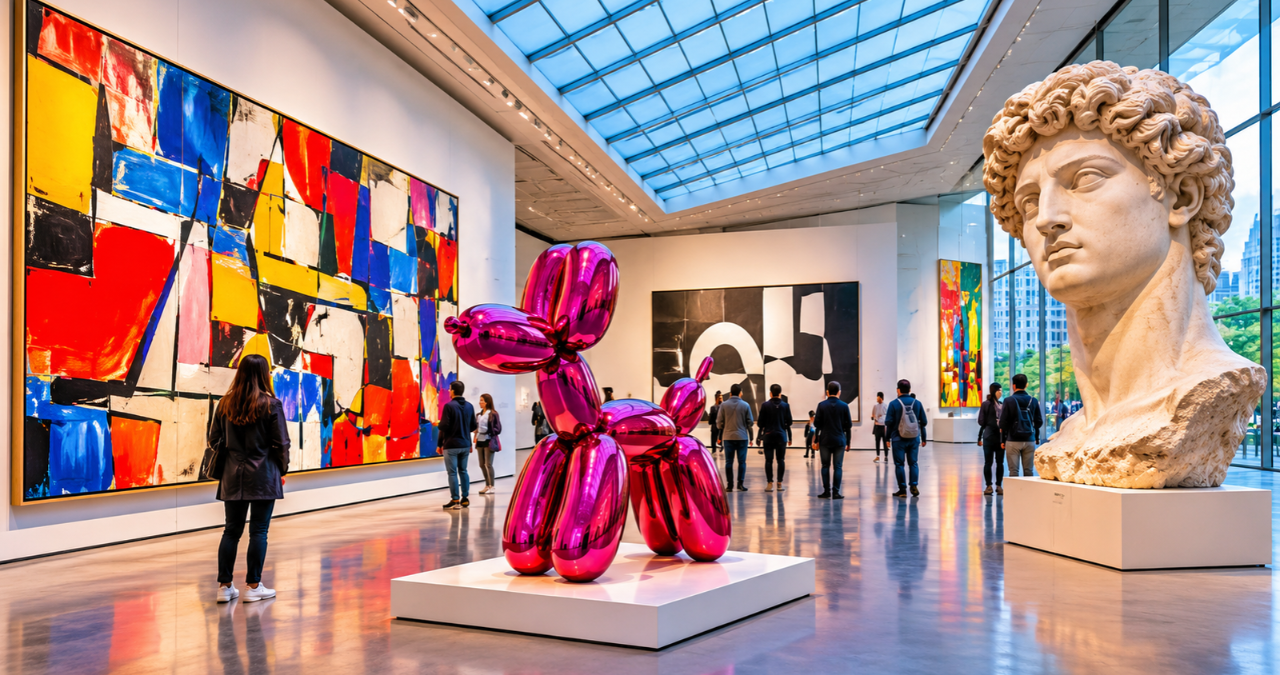

Imagine walking into a building where colorful paintings challenge your imagination, unusual sculptures make you stop and think, and creative installations transform ordinary spaces into extraordinary experiences. This is what makes modern art museums so fascinating. They are not simply places where paintings hang on walls. They are inspiring destinations where creativity, history, culture, architecture, and new ideas come together.
From the famous galleries of New York to the impressive cultural spaces of Tokyo and Hong Kong, modern art museums offer visitors an opportunity to explore how artists have changed the way people understand the world. Some display groundbreaking abstract paintings, while others feature contemporary installations, photography, experimental designs, and interactive exhibitions.
Whether you are an art enthusiast, a student, a traveler, or someone who simply enjoys beautiful places, visiting these museums can be an unforgettable experience. You do not need to be an art expert to appreciate them. Sometimes, one unusual painting or powerful sculpture is enough to make you see the world differently.
In this guide, we explore 10 modern art museums around the world that deserve a place on every art lover’s travel list. Each museum has its own personality, remarkable collections, and unique approach to presenting modern and contemporary creativity.
What Makes Modern Art Museums Special?
Modern art museums preserve and present important artistic movements that changed the history of visual culture. They help visitors understand how artists moved beyond traditional painting and sculpture to experiment with new materials, techniques, and ideas.
Modern art is often associated with movements such as Cubism, Surrealism, Abstract Expressionism, Pop Art, and Minimalism. Contemporary art, meanwhile, generally refers to work created by artists of the present era. Although these terms are sometimes used together, they describe different periods and artistic developments.
What makes these museums special is their ability to connect different generations of artists. Visitors can explore historical masterpieces alongside newer creative experiments. A traditional canvas might appear next to a video installation, a large sculpture, or an artwork made from everyday objects.
These institutions also encourage people to ask questions. What is art? Can an ordinary object become a masterpiece? How can colors communicate emotions? Such questions make museum visits more meaningful and memorable.
1. Museum of Modern Art (MoMA) – New York, USA

The Museum of Modern Art, commonly known as MoMA, is one of the most influential modern art museums in the world. Located in Midtown Manhattan, New York City, it has played a major role in introducing groundbreaking artists and movements to international audiences.
<em>MoMA</em> opened in 1929 with a mission to make modern art accessible to the public. Over the decades, its collection has expanded to include paintings, sculptures, photography, architecture, design, film, and digital media.
One of the museum’s most celebrated paintings is Vincent van Gogh’s The Starry Night. Its swirling sky, expressive brushwork, and glowing colors have made it one of the most recognizable artworks in modern art history. Visitors can also explore important works by Pablo Picasso, Claude Monet, Salvador Dalí, Andy Warhol, and many other influential artists.
MoMA is particularly interesting because it presents art from different disciplines. A visitor can move from a famous painting to an experimental film, then discover an innovative piece of furniture or graphic design.
The museum also organizes temporary exhibitions, educational programs, and special events. These activities help visitors understand the historical background and creative ideas behind important artworks.
For anyone interested in modern art, MoMA is an essential destination. Its collection offers a remarkable journey through the artistic changes that shaped the twentieth and twenty-first centuries.
Why visit MoMA?
- Explore famous modern masterpieces.
- Discover influential movements and artists.
- Experience photography, film, design, and sculpture.
- Attend temporary exhibitions and educational events.
Official website: https://www.moma.org/
2. Tate Modern – London, United Kingdom
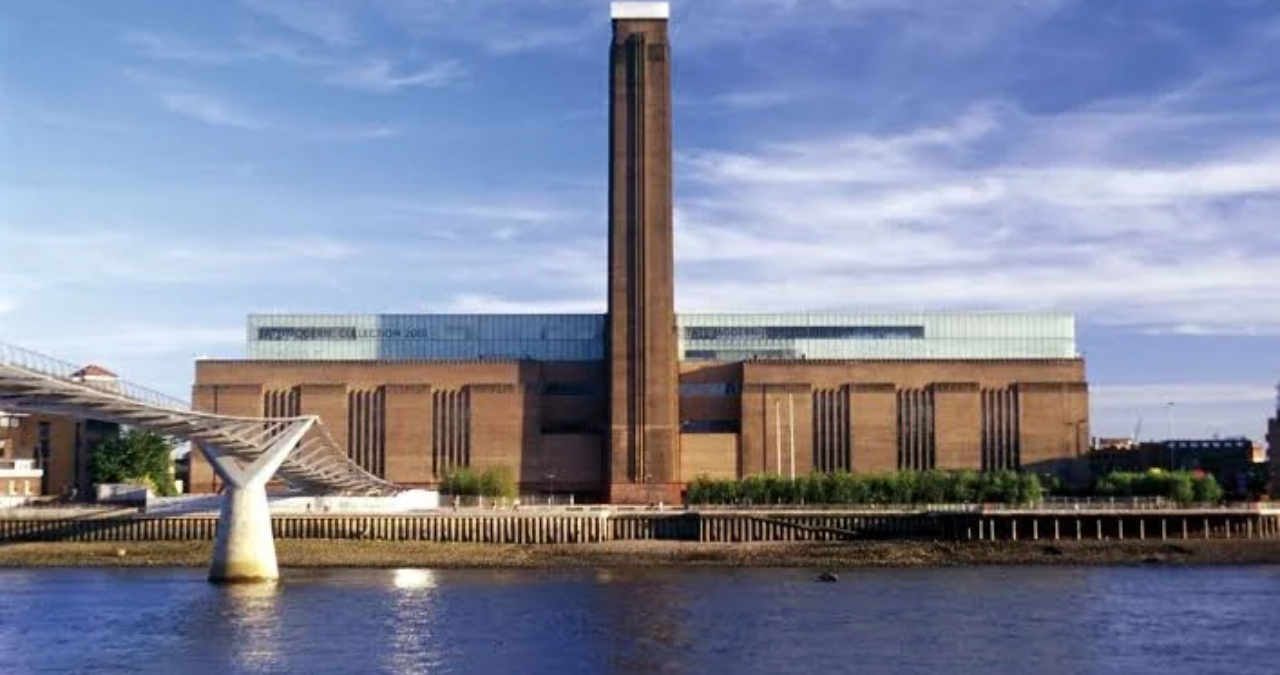
Tate Modern is one of the most recognizable modern and contemporary art museums in Europe. Located on the banks of the River Thames in London, the museum occupies a former power station that has been transformed into an impressive cultural destination.
The building itself is a major attraction. Its industrial architecture, enormous spaces, and distinctive appearance create a dramatic setting for large-scale artworks and exhibitions.
Tate Modern opened in 2000 and quickly became an important part of London’s cultural life. Its collection includes works by international artists representing different movements, styles, and creative approaches.
Visitors can discover artworks associated with Pablo Picasso, Henri Matisse, Mark Rothko, Andy Warhol, and other influential figures. The museum also presents contemporary artists whose work explores subjects such as identity, politics, technology, society, and the environment.
One of Tate Modern’s most exciting features is its Turbine Hall. This enormous space has hosted ambitious installations created specifically for the building. These projects often transform the hall into an immersive environment, allowing visitors to experience art on a completely different scale.
The museum also offers exhibitions, talks, workshops, and learning activities. Its location makes it easy to combine an art visit with a walk along the Thames and views of London’s famous landmarks.
Why visit Tate Modern?
- Experience art inside a remarkable former power station.
- Explore major modern and contemporary artworks.
- Discover large-scale installations in the Turbine Hall.
- Enjoy exhibitions from international artists.
Official website: https://www.tate.org.uk/visit/tate-modern
3. Solomon R. Guggenheim Museum – New York, USA

The Solomon R. Guggenheim Museum is famous for both its art collection and its extraordinary architecture. Designed by Frank Lloyd Wright, the building is one of the most recognizable museum structures in the world.
Located on Fifth Avenue in New York, the Guggenheim opened in 1959. Its unusual spiral design offers a different experience from traditional museums. Instead of moving through a series of ordinary rooms, visitors follow a continuous ramp that gradually leads them through the exhibition spaces.
The building is itself an architectural masterpiece. Its curved white exterior and open central space create an environment that feels artistic even before visitors begin exploring the collection.
The museum focuses on modern and contemporary art, with important works representing movements such as Impressionism, Post-Impressionism, Cubism, and Abstract Art. Its exhibitions have featured major artists, including Wassily Kandinsky, Pablo Picasso, Paul Klee, and Jackson Pollock.
The Guggenheim is especially interesting for people who enjoy abstract art. Kandinsky’s artistic experiments, in particular, demonstrate how colors, shapes, and lines can communicate feelings without representing recognizable objects.
Temporary exhibitions introduce visitors to different artists and creative approaches. The museum also offers educational programs that help people understand the relationship between art, architecture, and culture.
Why visit the Guggenheim?
- Explore an internationally famous architectural landmark.
- Discover important modern and abstract artworks.
- Experience the museum’s unique spiral layout.
- Attend exhibitions and educational programs.
Official website: https://www.guggenheim.org/
4. Museo Reina Sofía – Madrid, Spain

Madrid is home to several important cultural institutions, but Museo Nacional Centro de Arte Reina Sofía is particularly significant for modern and contemporary art.
The museum is located in a former hospital building that has been adapted into a major art institution. It opened in its present form in 1992 and has become internationally recognized for its collection of twentieth-century Spanish art and other influential works.
Its most famous attraction is Pablo Picasso’s Guernica. This enormous painting responds to the bombing of the Spanish town of Guernica during the Spanish Civil War. Through distorted figures, powerful expressions, and a dramatic monochromatic palette, Picasso created one of the most influential anti-war artworks in history.
The painting is not simply an artistic masterpiece. It is also a powerful statement about violence, suffering, and the human cost of conflict.
Visitors can also explore works by Salvador Dalí, Joan Miró, and other important artists. The collection provides insight into Surrealism, Cubism, and the development of modern Spanish art.
Reina Sofía is especially valuable because it connects artistic creativity with historical and political events. Its exhibitions help visitors understand how artists respond to the world around them.
Why visit Museo Reina Sofía?
- See Picasso’s famous Guernica.
- Explore Spanish modern and contemporary art.
- Discover Surrealist and experimental artworks.
- Learn how art reflects history and society.
Official website: https://www.museoreinasofia.es/
5. San Francisco Museum of Modern Art (SFMOMA) – San Francisco, USA

The San Francisco Museum of Modern Art, known as SFMOMA, is one of the leading modern and contemporary art institutions in the United States.
Located in downtown San Francisco, the museum is known for its impressive architecture, large exhibition spaces, and extensive collection. Its current building, redesigned and expanded by the architectural firm Snøhetta, opened in 2016.
SFMOMA presents a wide range of artistic disciplines, including painting, sculpture, photography, architecture, design, and media arts. Its collection features important works by artists such as Frida Kahlo, Jackson Pollock, Andy Warhol, and Richard Diebenkorn.
Photography is one of the museum’s particularly important areas. Visitors can discover historical photographs, experimental visual projects, and works that explore how photography influences the way people understand society.
The museum also highlights contemporary artists whose work reflects changing cultural experiences. Exhibitions may explore identity, technology, environmental concerns, and social issues.
Its open galleries and welcoming public spaces make SFMOMA an enjoyable destination for both experienced art lovers and first-time visitors.
Why visit SFMOMA?
- Explore an extensive modern and contemporary art collection.
- Discover important photography exhibitions.
- Experience innovative architecture and gallery spaces.
- Learn about artists from different cultural backgrounds.
Official website: https://www.sfmoma.org/
6. Stedelijk Museum – Amsterdam, Netherlands
The Stedelijk Museum in Amsterdam is one of Europe’s most important institutions for modern and contemporary art and design.
The museum opened in 1895 and developed into a major destination for visitors interested in artistic experimentation. Its collection covers paintings, sculptures, photography, graphic design, furniture, and other creative disciplines.
Stedelijk is particularly associated with movements such as De Stijl, Bauhaus, Abstract Expressionism, and modern design. Its collection includes works by artists such as Piet Mondrian, Kazimir Malevich, and other influential figures.
Piet Mondrian is especially important to the museum’s artistic story. His geometric compositions, featuring straight black lines and carefully arranged primary colors, demonstrate how simple shapes can create a powerful visual language.
The museum’s combination of historic and contemporary works allows visitors to explore how artistic ideas have changed over time. Design also plays a major role, making Stedelijk interesting for people who enjoy architecture, furniture, typography, and visual communication.
Its exhibitions regularly introduce visitors to new artists and creative perspectives.
Why visit Stedelijk Museum?
- Explore modern art and innovative design.
- Discover important works connected with De Stijl.
- Learn about influential European art movements.
- Experience exhibitions covering contemporary creativity.
Official website: https://www.stedelijk.nl/en
7. Louisiana Museum of Modern Art – Humlebæk, Denmark
The Louisiana Museum of Modern Art offers one of the most beautiful combinations of art, architecture, and nature in Europe.
Located in Humlebæk, north of Copenhagen, the museum overlooks the Øresund Sound. Unlike many large museums situated in busy city centers, Louisiana offers a peaceful environment where visitors can enjoy art alongside gardens, trees, and sea views.
The museum opened in 1958 and became internationally respected for its modern and contemporary art collection. Its exhibitions feature paintings, sculptures, installations, and works by influential international artists.
Visitors can discover artworks by figures such as Alberto Giacometti, Yayoi Kusama, and other major names in modern and contemporary art. The museum’s sculpture park is particularly memorable because artworks are displayed in an outdoor landscape rather than only inside galleries.
This relationship between art and nature gives Louisiana a special atmosphere. Visitors can move between indoor exhibitions and outdoor spaces, enjoying different perspectives throughout the visit.
The museum also organizes temporary exhibitions, concerts, talks, and cultural programs. Its peaceful surroundings make it a wonderful destination for anyone who wants to experience art without the pressure of a busy urban environment.
Why visit Louisiana Museum of Modern Art?
- Enjoy art surrounded by beautiful natural scenery.
- Explore its outdoor sculpture park.
- Discover international modern and contemporary artists.
- Experience exhibitions in a peaceful architectural setting.
Official website: https://www.louisiana.dk/
8. National Museum of Modern Art, Tokyo (MOMAT) – Tokyo, Japan
Japan has a rich artistic heritage, and the National Museum of Modern Art, Tokyo, offers an excellent opportunity to explore the country’s modern creative history.
Known as MOMAT, the museum opened in 1952 and was Japan’s first national art museum dedicated to modern art. It is located near the Imperial Palace in Tokyo and presents an important collection of Japanese and international artworks.
The museum focuses particularly on the development of modern Japanese art from the late nineteenth century onward. Its collection includes paintings, prints, sculptures, and other artistic forms that demonstrate how Japanese artists responded to changing cultural and social conditions.
Visitors can explore works influenced by both traditional Japanese aesthetics and international modern art movements. This combination makes MOMAT especially interesting for people who want to understand the relationship between Japanese artistic traditions and global creativity.
The museum also organizes temporary exhibitions that introduce different periods, artists, and themes. Its collection provides a valuable view of how Japan’s artistic identity developed during a period of major transformation.
For travelers interested in Japanese culture, MOMAT offers more than a traditional gallery visit. It provides a deeper understanding of the country’s artistic journey.
Why visit MOMAT?
- Explore the history of modern Japanese art.
- Discover paintings and prints by important Japanese artists.
- Understand the connection between Japanese and international art.
- Visit a major cultural institution in Tokyo.
Official website: https://www.momat.go.jp/en/
9. Museo de Arte Latinoamericano de Buenos Aires (MALBA) – Buenos Aires, Argentina
The Museo de Arte Latinoamericano de Buenos Aires, commonly known as MALBA, is an important cultural institution dedicated to modern and contemporary Latin American art.
Located in Buenos Aires, Argentina, the museum opened in 2001. Its main purpose is to preserve, study, and present the artistic contributions of Latin American creators.
MALBA is particularly valuable because it introduces international visitors to artists and movements that may receive less attention in some traditional European and North American art institutions.
Its collection includes works by major Latin American artists such as Frida Kahlo, Diego Rivera, Tarsila do Amaral, and Xul Solar. These artists explored themes connected with identity, politics, culture, modernity, and everyday life.
One of the collection’s highlights is Frida Kahlo’s Self-Portrait with Monkey. The painting demonstrates Kahlo’s personal visual language and her ability to combine symbolism, identity, and emotional expression.
The museum also presents temporary exhibitions, film programs, educational activities, and cultural events. These programs make it an important meeting point for art lovers and people interested in Latin American history and creativity.
Why visit MALBA?
- Discover influential Latin American artists.
- Explore modern art from different countries.
- Learn about cultural identity and artistic history.
- Experience exhibitions, films, and educational events.
Official website: https://www.malba.org.ar/
10. M+ Museum – Hong Kong
M+ is one of Asia’s most exciting museums dedicated to visual culture. Located in the West Kowloon Cultural District in Hong Kong, it explores modern and contemporary art, design, architecture, moving images, and visual media.
The museum opened in 2021 and quickly became an important cultural destination. Its building, designed by Herzog & de Meuron in collaboration with TFP Farrells and Arup, is a major architectural feature of the West Kowloon waterfront.
Unlike museums that focus only on traditional paintings and sculptures, M+ takes a broader approach to visual culture. Its exhibitions may include photography, films, digital projects, design objects, architectural models, and experimental installations.
The museum gives particular attention to the cultural development of Hong Kong, mainland China, and the wider Asian region. At the same time, it presents international perspectives that connect Asian creativity with global artistic conversations.
This approach makes M+ especially interesting for visitors who want to explore how visual culture changes in response to technology, cities, communication, and everyday life.
Its exhibitions and public programs encourage visitors to think about the role of images and design in modern society.
Why visit M+?
- Explore art, design, architecture, and moving images.
- Discover modern and contemporary Asian creativity.
- Experience an impressive waterfront museum building.
- Learn how visual culture influences everyday life.
Official website: https://www.mplus.org.hk/en/
How to Choose the Best Modern Art Museum to Visit
Choosing between modern art museums depends on your interests, travel plans, and the kind of experience you want.
If you enjoy famous historical masterpieces, MoMA and Museo Reina Sofía are excellent choices. They offer opportunities to see works that have played important roles in modern art history.
If architecture interests you as much as art, consider the Guggenheim in New York or Tate Modern in London. Both institutions demonstrate how a museum building can become an important part of the visitor experience.
For people interested in design and photography, SFMOMA and Stedelijk offer diverse collections that extend beyond traditional painting and sculpture.
Travelers who want to discover regional artistic perspectives may prefer MOMAT in Tokyo, MALBA in Buenos Aires, or M+ in Hong Kong. These museums provide valuable insight into the cultural experiences of their regions.
Before visiting, check the museum’s official website. Exhibition schedules, opening hours, ticket prices, and special events can change. Some museums offer free admission to selected galleries or discounted tickets on particular days.
What Can You Expect Inside a Modern Art Museum?
A modern art museum can offer a very different experience from what many first-time visitors expect. Instead of seeing only paintings arranged in traditional galleries, you may discover a wide variety of creative expressions.
Paintings and drawings: Visitors can explore works created with oil paints, watercolors, acrylics, ink, and other materials. These artworks may represent recognizable subjects or focus entirely on color, shape, and emotion.
Sculptures and installations: Some artists create three-dimensional objects or transform entire rooms into artistic environments. These works can make visitors feel as if they have entered another world.
Photography: Modern museums often present photographs that document historical events, explore identity, or experiment with visual storytelling.
Digital and video art: Contemporary exhibitions may include animations, projections, films, and interactive digital experiences.
Design and architecture: Some museums also display furniture, posters, buildings, products, and other examples of creative problem-solving.
This variety means that every visit can be different. Even people who do not usually enjoy traditional paintings may discover an artistic form that interests them.
Why Modern Art Museums Matter in Today’s World
Modern art museums are important because they protect creative achievements and make them accessible to future generations. They preserve artworks that help explain how societies, cultures, and artistic ideas have changed over time.
They also provide spaces for discussion. Many modern and contemporary artworks explore subjects such as inequality, migration, environmental change, identity, technology, and political conflict. By presenting these subjects through visual expression, museums encourage visitors to consider different viewpoints.
Education is another important contribution. Museums organize workshops, guided tours, lectures, and activities for children and adults. These programs help people develop visual awareness and understand artistic techniques.
Modern art museums also support artists. Through exhibitions, research, collections, and public programs, they introduce creative work to wider audiences and help artistic communities grow.
In addition, museums contribute to tourism and local cultural life. They attract visitors, support nearby businesses, and make cities more interesting places to explore.
If you want to explore the life and creativity of one of the world’s most influential modern artists, read our guide to Vincent van Gogh’s Biography for Kids.
Tips for Enjoying Your First Modern Art Museum Visit
You do not need special knowledge to enjoy a museum. A little preparation can make your experience more comfortable and rewarding.
- Check the exhibition schedule: Look at the official website before visiting to learn which galleries and special exhibitions are available.
- Choose your interests: If you enjoy abstract art, photography, sculpture, or design, check whether the museum has exhibitions related to those subjects.
- Give yourself enough time: Large museums may require several hours. Avoid trying to see every artwork in a hurry.
- Read the artwork descriptions: Short explanations can help you understand the artist’s ideas, materials, and historical background.
- Take breaks: Museum visits can involve a lot of walking. Use seating areas and cafés when you need a rest.
- Respect museum rules: Photography, food, drinks, and touching artworks may be restricted in certain areas.
- Stay open-minded: Some modern artworks may seem unusual at first. Take time to observe them and consider what the artist might be communicating.
The most important tip is simple: enjoy the experience. You do not have to understand every artwork to appreciate its creativity.
Modern Art Museums vs. Contemporary Art Museums
People often use the terms modern art and contemporary art as if they mean exactly the same thing. However, they usually refer to different periods.
Modern art generally describes artistic developments from the late nineteenth century through much of the twentieth century. It includes movements such as Cubism, Surrealism, Fauvism, and Abstract Expressionism.
Contemporary art generally refers to art created by living artists or during the present era. It may explore current social issues, new technologies, digital communication, environmental concerns, and changing cultural identities.
There is some overlap between the two categories, and individual museums may collect and exhibit both. For this reason, a museum described as a modern art museum may also present contemporary exhibitions.
Understanding this distinction can help visitors appreciate the historical background of the artworks they see.
Conclusion
Exploring modern art museums is one of the most inspiring ways to understand how creativity has shaped the modern world. From the internationally celebrated collections of MoMA and Tate Modern to the architectural beauty of the Guggenheim and the cultural perspectives of MALBA and M+, each museum offers something different.
These institutions are much more than buildings filled with paintings. They preserve important artistic achievements, introduce visitors to new ideas, and create opportunities to experience different cultures through visual expression.
Whether you are fascinated by abstract paintings, powerful sculptures, experimental photography, or innovative architecture, there is a museum waiting to surprise you. You may even discover an artist or artistic movement that changes the way you think about creativity.
If you are planning your next cultural trip, consider adding one of these remarkable museums to your travel list. Take your time, explore the exhibitions, and allow yourself to experience art from a fresh perspective. You might leave with more than beautiful memories—you might leave with a completely new appreciation for the power of art.
Frequently Asked Questions (FAQs)
1. What are the most famous modern art museums in the world?
Some of the most famous modern art museums include the Museum of Modern Art in New York, Tate Modern in London, the Guggenheim Museum in New York, Museo Reina Sofía in Madrid, and SFMOMA in San Francisco. Each institution has important collections and exhibitions.
2. Which modern art museum is best for beginners?
MoMA in New York is a strong choice for beginners because its collection includes many well-known artists and important movements. Tate Modern is another excellent option, offering a wide variety of modern and contemporary artworks.
3. What is the difference between modern art and contemporary art?
Modern art generally refers to artistic movements from the late nineteenth century through much of the twentieth century. Contemporary art usually describes work created by living artists or during the present era.
4. What can you see in a modern art museum?
Visitors can see paintings, drawings, sculptures, photography, installations, films, digital artworks, architecture, and design objects. The exact collection depends on the museum.
5. Are modern art museums suitable for children?
Yes. Many modern art museums offer family-friendly exhibitions, educational activities, workshops, and interactive experiences. Parents should check the museum’s website for age recommendations and family programs.
6. How long does it take to explore a modern art museum?
A small museum may take one to two hours, while a large institution such as MoMA or Tate Modern may require several hours. The time depends on the size of the collection and the visitor’s interests.
7. Why should people visit modern art museums?
Modern art museums help people understand artistic history, discover different cultures, experience creative ideas, and develop a deeper appreciation of visual expression. They can also provide inspiration for students, artists, and travelers.
8. Can you take photographs inside modern art museums?
Photography rules vary by museum and exhibition. Some galleries allow personal photography without flash, while certain artworks or temporary exhibitions may have restrictions. Always check the signs and museum guidelines before taking pictures.
9. Which modern art museum is famous for Picasso’s Guernica?
Museo Reina Sofía in Madrid, Spain, is famous for displaying Pablo Picasso’s Guernica. The painting is one of the most important anti-war artworks in modern art history.
10. Are modern art museums worth visiting while traveling?
Absolutely. They offer opportunities to explore a destination’s cultural identity, discover international artists, and experience unique architecture. Even a short visit can become a memorable part of a trip.