

Introduction to st eustatius
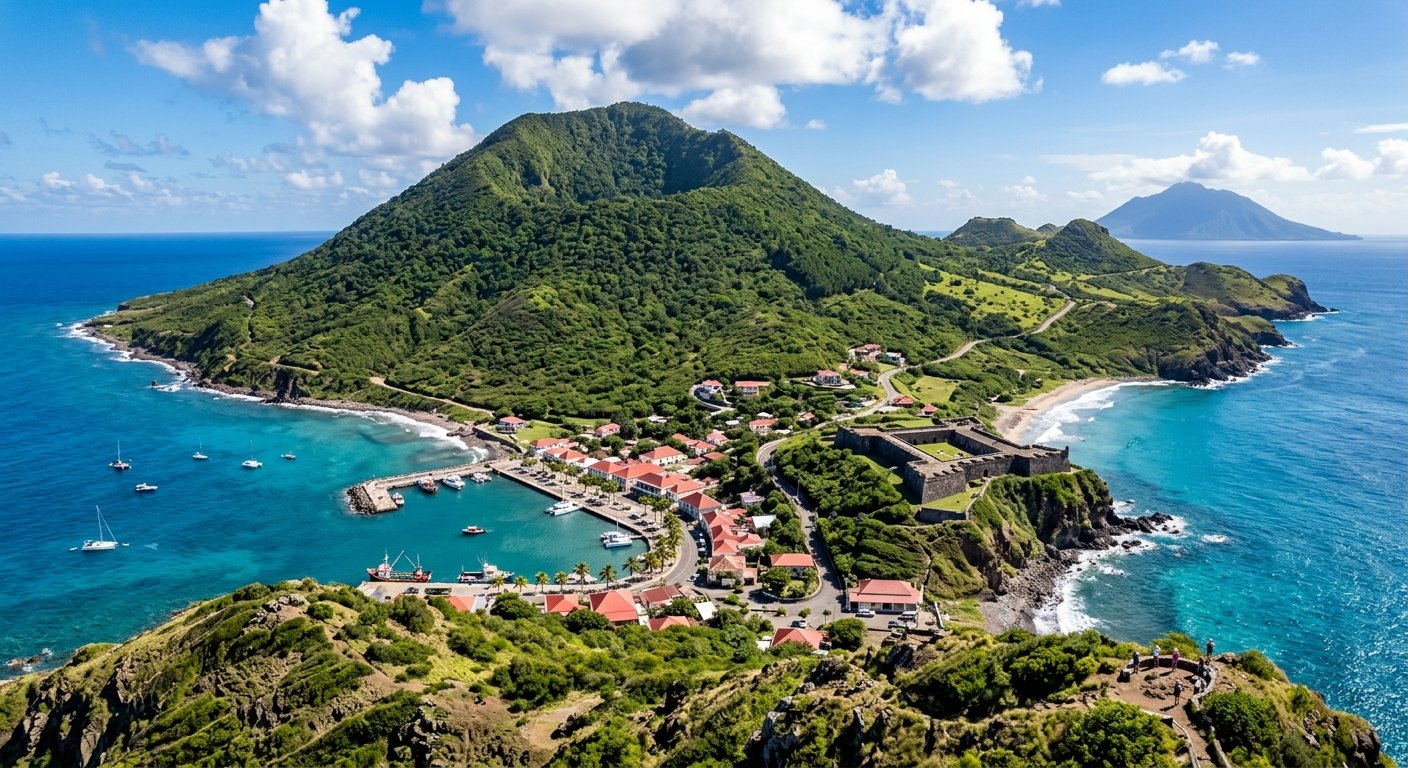
st eustatius is a small and beautiful island in the Caribbean Sea that offers a remarkable mix of natural beauty, rich history, colorful culture, and peaceful surroundings. Often called Statia by local residents, this island is part of the Caribbean Netherlands and is known for its volcanic landscape, historic buildings, clear waters, and welcoming community.
Although st eustatius is much smaller and quieter than many famous Caribbean destinations, it has a special charm of its own. Visitors can explore old forts, walk along black-sand beaches, hike through green hills, discover coral reefs, and learn about the island’s important role in world history.
What makes this island especially interesting is the way it combines the past and the present. Once an important center of international trade, it now attracts travelers who enjoy nature, history, diving, and relaxing away from crowded tourist areas.
Whether you’re planning a Caribbean holiday, researching island geography, or simply curious about lesser-known destinations, st eustatius is well worth discovering. Its small size makes it easier to explore, while its history and natural environment offer plenty to learn about.
Where Is st eustatius Located?


st eustatius is located in the northeastern Caribbean Sea, within the group of islands known as the Lesser Antilles. It lies in the northern part of the Caribbean region, near other islands such as St. Kitts, Nevis, and Saba.
The island is part of the Caribbean Netherlands, a group of three special municipalities of the Netherlands. The other two are Bonaire and Saba.
Unlike Aruba, Curaçao, and Sint Maarten, which have different constitutional arrangements within the Kingdom of the Netherlands, st eustatius is directly administered as a special municipality of the Netherlands.
Important geographical facts
- Official name: Sint Eustatius
- Common name: Statia
- Country relationship: Special municipality of the Netherlands
- Region: Caribbean Sea, Lesser Antilles
- Main settlement: Oranjestad
- Nearby islands: Saba, St. Kitts, and Nevis
- Main language: English is widely spoken in daily life
- Currency: United States dollar
- Natural landmark: The Quill, a dormant volcano
The island’s location has influenced nearly every part of its development. Its position near major Caribbean sea routes helped it become an important trading center in earlier centuries. Today, the surrounding sea continues to shape local life through fishing, tourism, diving, and marine conservation.
The Size and Landscape of st eustatius
st eustatius is a small island, covering approximately 21 square kilometers (about 8 square miles). Despite its limited size, it contains several different landscapes, including volcanic slopes, coastal plains, rocky shores, and areas of tropical vegetation.
The island’s shape and geography are strongly influenced by volcanic activity. Its most recognizable natural feature is The Quill, a large volcanic formation that rises above the southeastern part of the island.
The northern part contains older hills and lower volcanic terrain, while the central area includes settlements and flatter land. The coastline varies from sandy or dark volcanic beaches to rocky areas and cliffs.
The Quill volcano

The Quill is one of the island’s most famous landmarks. Its name comes from the Dutch word kuil, meaning pit or hole, which describes the large crater at its center.
The volcano is considered dormant rather than extinct. Its steep outer slopes support tropical plants, trees, and wildlife, while the crater contains a rich natural environment.
Visitors who enjoy hiking may be able to follow established trails toward the crater, depending on trail conditions and local access rules. Walking through this area provides an opportunity to see the island’s volcanic structure up close.
The Quill is also important for conservation. Its vegetation provides shelter for birds, reptiles, and other species. Protecting this landscape helps preserve the island’s natural heritage for future generations.
The northern hills
The northern part of st eustatius features older volcanic hills and dry landscapes. Some areas have open grassland, while others support shrubs and small trees.
These hills offer broad views of the surrounding Caribbean Sea and neighboring islands. They also help explain the island’s geological history, which stretches back through many periods of volcanic development.
Coastal scenery
The coast of st eustatius includes rocky shorelines, small beaches, and areas where volcanic material has shaped the land.
The beaches may not resemble the long, white-sand shores found at some larger Caribbean resorts. Instead, many have a more natural appearance, with dark sand, stones, and dramatic views.
For travelers who enjoy quiet scenery and unusual geological features, this variety is part of the island’s appeal.
The Fascinating History of st eustatius


The history of st eustatius is one of the most remarkable parts of its identity. Although the island is small, it played a major role in Caribbean commerce and international trade during the 17th and 18th centuries.
European powers competed for control of Caribbean islands because they offered access to shipping routes, valuable goods, and strategic harbors. Sint Eustatius became especially important because ships could reach it from several nearby islands.
The island’s early development
Indigenous peoples lived in the Caribbean long before European colonization. European powers later claimed and controlled islands throughout the region, including Sint Eustatius. The island eventually came under Dutch control and developed into an important trading location.
Its harbor and position made it useful to merchants who transported goods between Europe, Africa, the Americas, and other Caribbean islands.
The Golden Rock era
During the 18th century, st eustatius became known as the Golden Rock because of its commercial success. Merchants traded products such as sugar, tobacco, cotton, weapons, and other supplies.
At its height, the island welcomed large numbers of ships and traders. Its commercial importance was much greater than its small size might suggest.
However, this prosperity came with a deeply troubling history. The island was also involved in the transatlantic slave trade, and enslaved African people were forced to work under brutal conditions. Their suffering was an important part of the economic system that supported colonial wealth.
Understanding this history is essential when learning about st eustatius. Its past includes commercial achievement, political conflict, colonial control, and the exploitation of human beings.
The First Salute of 1776
One of the island’s most famous historical events took place on November 16, 1776.
During the American Revolution, the American brig Andrew Doria arrived at Sint Eustatius flying the flag of the newly formed United States. The Dutch authorities at Fort Oranje returned its cannon salute.
This event became known as the First Salute and is remembered as an early symbolic acknowledgment of the American flag by a foreign colonial authority.
The event strengthened the island’s place in American history. However, the commercial relationship between Sint Eustatius and revolutionary America also contributed to political tensions with Britain.
In 2026, the 250th anniversary of the First Salute provides a special opportunity to explore this connection between the island and the founding era of the United States.
Conflict and economic decline
The island’s success made it a target during periods of international conflict. In 1781, British forces captured Sint Eustatius, disrupting its trade and damaging its economic position.
Although control of the island changed over time, its former commercial importance never fully returned. As trade patterns changed and merchants moved elsewhere, the economy declined.
Today, historic buildings, ruins, and archaeological discoveries help tell the story of this period. These remains offer visitors a chance to understand how global events shaped a small Caribbean community.
Oranjestad: The Main Town of st eustatius

Oranjestad is the main town of st eustatius and the center of much of its community life. It combines historic streets, traditional buildings, local businesses, and beautiful coastal views.
The town is often described in two broad areas: Upper Town and Lower Town. Upper Town contains many government offices, homes, and everyday services, while Lower Town is closely connected to the historic harbor.
Fort Oranje
Fort Oranje is one of the island’s best-known historical landmarks. Its stone walls and cannons overlook the Caribbean Sea, providing a clear view of the harbor and surrounding coastline.
The fort is closely associated with the First Salute of 1776. It also reflects the island’s colonial history and its strategic importance to European powers.
Visitors interested in military history, architecture, or the American Revolution will find this site particularly meaningful.
Historic Lower Town
Lower Town contains the remains of old warehouses and other structures linked to the island’s trading era.
Walking through this area can feel like stepping into an outdoor history museum. The ruins reveal how busy the waterfront once was, when ships arrived with goods and merchants conducted business.
Some structures have been damaged by time, weather, and changing economic conditions. Their preservation is important because they help future generations understand the island’s past.
Local museums and heritage sites
Historical museums and heritage organizations offer additional information about Sint Eustatius, including its trading networks, archaeological discoveries, and colonial society.
Before visiting, check which exhibitions and sites are open, as opening hours and access may vary.
Nature and Wildlife on st eustatius


13
Nature is one of the strongest reasons to visit st eustatius. The island’s small area contains volcanic terrain, dry woodland, tropical vegetation, coastal habitats, and underwater ecosystems.
Unlike heavily developed holiday destinations, much of the island retains a natural appearance. This makes it attractive to people who enjoy outdoor activities, wildlife observation, and peaceful scenery.
Boven National Park
Boven National Park protects areas of the northern hills and surrounding natural landscapes. Its trails provide opportunities to observe local plants, volcanic terrain, and views of neighboring islands.
The environment changes according to elevation, rainfall, and exposure to wind. Some areas are relatively dry, while others support denser vegetation.
Hikers should follow marked routes and respect local conservation rules. The weather can change quickly, and exposed paths may become difficult during strong winds or rain.
Botanical diversity
The island supports a variety of tropical plants, shrubs, trees, and flowering species. Some grow in dry coastal environments, while others thrive in the more humid areas around The Quill.
Native vegetation is important because it provides food and shelter for wildlife, helps protect the soil, and supports the island’s ecological balance.
Visitors can help protect these habitats by staying on trails, avoiding the removal of plants, and taking all litter away.
Birds and other wildlife
Birdwatching can be an enjoyable activity on st eustatius. Depending on the season and location, visitors may see seabirds, small land birds, and migratory species.
Reptiles and other small animals also live across the island. Wildlife sightings aren’t guaranteed, so patience and quiet observation are useful.
For the best experience, carry binoculars if available and avoid disturbing nesting sites or animals.
Diving and Snorkeling Around st eustatius


The waters around st eustatius are an important part of its natural heritage. The St. Eustatius National Marine Park protects marine environments and supports diving, snorkeling, and conservation activities.
The island is especially attractive to experienced divers who want to explore volcanic formations, coral reefs, and historic shipwrecks.
Exploring the underwater world
Diving sites may feature:
- Coral formations and rocky reefs
- Tropical fish and other marine animals
- Underwater volcanic landscapes
- Historic shipwrecks
- Artificial reef structures
The Charles L. Brown wreck is among the area’s recognized diving attractions. Underwater sites differ in depth, current, and difficulty, so choosing an appropriate location is important.
Snorkeling for beginners
Snorkeling offers a more accessible way to experience marine life without completing a scuba diving course. Conditions vary by site and weather, so visitors should ask local operators where snorkeling is suitable.
For a safer experience:
- Use a properly fitted mask and snorkel.
- Wear suitable flotation equipment when needed.
- Avoid touching coral or marine animals.
- Follow local guidance about currents and entry points.
- Never enter rough water simply because a beach looks attractive.
Why marine conservation matters
Coral reefs and other marine habitats are sensitive to pollution, careless anchoring, physical damage, and rising ocean temperatures.
Marine protection helps preserve biodiversity while supporting responsible tourism. Visitors can contribute by following park regulations and choosing operators who respect conservation standards.
Statia Tourism Development Foundation
The Culture and People of st eustatius
The people of st eustatius, often called Statians, contribute to the island’s welcoming and multicultural character. The community reflects centuries of Caribbean history, migration, colonial influence, and connections with neighboring islands.
Life on Statia tends to move at a more relaxed pace than in large cities. Community relationships, family life, local traditions, and shared celebrations remain important.
Languages spoken on the island
Dutch is the official language used in government administration, while English is widely spoken in everyday life. Residents may also speak Spanish, Papiamento, and local forms of Caribbean English.
For visitors, this linguistic variety makes communication relatively easy, particularly when speaking English.
Traditions and celebrations
Community events, music, religious gatherings, and cultural celebrations provide opportunities to experience local life.
Statia Day and other island celebrations can highlight the community’s history and identity. Event dates, schedules, and activities may change, so check official tourism announcements before planning a trip around a festival.
Local food
Food on st eustatius reflects wider Caribbean cooking traditions, with influences from African, European, and neighboring island cultures.
Depending on the restaurant and season, visitors may find dishes featuring:
- Fresh fish and seafood
- Rice and peas
- Stewed meats
- Plantains and root vegetables
- Tropical fruits
- Homemade soups and traditional desserts
Small restaurants and local eateries offer opportunities to experience the island’s food culture. Asking residents for recommendations can also lead to enjoyable discoveries.
Weather and the Best Time to Visit st eustatius
st eustatius enjoys a warm tropical climate throughout the year. Daytime temperatures commonly average around 27°C (80°F), although actual conditions vary with the season, rainfall, and wind.
The island’s northeast trade winds often make the heat more comfortable, especially near the coast. Even so, the tropical sun can be strong, so sun protection is important during outdoor activities.
Seasonal travel guide
| Period | Typical conditions | Best for |
|---|---|---|
| December to April | Generally drier and comfortable | Hiking, sightseeing, and outdoor trips |
| May to June | Warm, with changing rainfall | Nature walks and quieter travel |
| July to November | Hot, with greater tropical storm risk | Flexible travel plans and diving when conditions allow |
| August to October | Part of the more active Atlantic hurricane season | Travelers who monitor forecasts carefully |
These are general seasonal patterns rather than guarantees. The Atlantic hurricane season officially runs from June 1 to November 30, and storms can affect travel schedules.
For many visitors, December through April is a convenient period to explore the island. However, the best time depends on your budget, preferred activities, and tolerance for heat or rain.
Statia Tourism Development Foundation
What should you pack?
If you’re visiting st eustatius, consider bringing:
- Lightweight, breathable clothing
- Comfortable walking shoes or hiking boots
- A hat and sunscreen
- Insect repellent
- A reusable water bottle
- Swimwear and snorkeling equipment, if needed
- A light rain jacket
- A waterproof bag for electronics
For hiking The Quill, sturdy footwear and enough drinking water are especially important. Humidity, steep paths, and slippery ground can make a short walk more demanding than expected.
How to Travel to st eustatius
Reaching st eustatius generally requires some planning because the island has limited transportation connections compared with larger Caribbean destinations.
Traveling by air
F.D. Roosevelt Airport serves the island. Many international visitors connect through Sint Maarten before taking a regional flight to Sint Eustatius.
Flight schedules and connections can change, so confirm the available routes and baggage rules before booking. If your journey involves separate tickets, leave enough time between flights in case of delays.
Traveling by sea
Regional boat services may connect Sint Eustatius with nearby islands, depending on the operator and schedule.
Sea connections can be useful for travelers exploring more than one Caribbean destination. However, services may be less frequent than flights, and rough weather can affect departures.
Always confirm the current timetable directly with the relevant operator.
Getting around the island
Rental cars are a practical option for exploring different parts of st eustatius. Taxis may also be available, but visitors shouldn’t assume that public transportation operates like it does in a major city.
Before arriving, arrange airport transfers or vehicle rental if you expect to visit several attractions.
The island is small, but hills, road conditions, and the distance between locations can make walking everywhere impractical.
Accommodation and Places to Stay on st eustatius


Accommodation on st eustatius generally suits travelers who prefer a peaceful, personal experience rather than a large all-inclusive resort environment.
Available options may include small hotels, guesthouses, apartments, villas, and nature-focused accommodations.
Choosing the right location
Your ideal place to stay depends on the type of trip you’re planning.
- Oranjestad: Convenient for exploring historic sites and accessing everyday services.
- Near The Quill: Suitable for visitors who want to spend time hiking and enjoying nature.
- The Lower Town waterfront: Attractive for travelers interested in historic scenery and coastal views.
- Resort accommodation: Useful for visitors seeking additional facilities, dining options, or organized activities.
Book ahead during busy periods and confirm whether your accommodation provides meals, airport transfers, Wi-Fi, or help arranging excursions.
Because the island has a limited number of rooms compared with major tourist destinations, availability may be restricted on particular dates.
What Makes st eustatius Different From Other Caribbean Islands?
The Caribbean includes many famous destinations, but st eustatius offers a different type of experience.
Some islands are known for cruise terminals, large hotels, nightlife, and busy shopping areas. Statia is more closely associated with history, diving, hiking, and a quieter local atmosphere.
Here’s how it compares with some other destinations.
| Feature | st eustatius | Larger Caribbean resort destinations |
|---|---|---|
| Atmosphere | Quiet and community-focused | Often busier in tourist areas |
| History | Historic trading port and colonial heritage | Varies by island |
| Nature | Volcanic trails and protected marine areas | Beaches, forests, reefs, and other landscapes |
| Tourism style | Small-scale and nature-oriented | May include large resorts and cruise tourism |
| Transportation | Limited regional connections | Often more flight and transport choices |
| Best suited for | History lovers, divers, hikers, and independent travelers | Depends on the destination |
This comparison doesn’t mean that one type of island is better than another. It simply shows that st eustatius appeals to travelers who value exploration, heritage, and a slower pace.
Things to Do on st eustatius During a Short Visit
If you’re planning a short holiday, a little organization can help you enjoy the island without rushing.
A one-day exploration plan

Morning: Explore Oranjestad
Visit Fort Oranje, walk through historic streets, and learn about the island’s trading history. Allow time to appreciate the harbor views.
Late morning or afternoon: Discover nature
If conditions and your fitness level allow, explore a suitable trail around The Quill. Check local advice first and avoid hiking in the hottest part of the day.

Late afternoon: Enjoy the coast
Visit an accessible coastal viewpoint, take photographs, or relax at a suitable beach. Finish with a local meal if time permits.
This itinerary is flexible rather than a fixed schedule. The distance between attractions, opening hours, weather, and transport availability may affect what you can comfortably complete.
If diving is your main goal, consider spending more time on the island instead of trying to fit every activity into one day.
Responsible Tourism and Environmental Protection
The natural and historical resources of st eustatius are valuable, but they also need careful protection.
Small islands can face particular challenges, including limited freshwater supplies, coastal erosion, waste management, habitat loss, and the effects of climate change. Tourism can support local employment and conservation, but poorly managed development may put pressure on the environment.
Visitors can make a positive difference through simple choices.
How travelers can help
- Stay on established hiking trails.
- Avoid touching or removing coral.
- Never take archaeological objects or historical artifacts.
- Dispose of rubbish responsibly.
- Respect wildlife and local property.
- Follow marine park regulations.
- Support local guides, restaurants, and small businesses.
- Use water and electricity carefully.
Responsible tourism isn’t just about protecting scenery. It also involves respecting the people whose homes, history, and livelihoods make the island special.
By choosing considerate travel practices, visitors can help ensure that st eustatius remains an appealing destination for future generations.
Is st eustatius Worth Visiting?
For the right traveler, st eustatius can be an excellent destination. Its appeal comes from the combination of historic sites, volcanic scenery, marine life, and a small community with a distinctive identity.
However, it helps to understand what the island does and doesn’t offer before making travel plans.
Reasons to visit
- You enjoy history and cultural heritage.
- You want to explore volcanic landscapes.
- You love scuba diving or snorkeling.
- You prefer quiet destinations to crowded resorts.
- You appreciate local food and community experiences.
- You enjoy independent travel and outdoor activities.
Things to consider
- Flights and other transport connections may be limited.
- Nightlife and major shopping areas are relatively limited.
- Some attractions require advance planning or local guidance.
- Weather can affect hiking, diving, and boat travel.
- Travelers seeking extensive resort entertainment may prefer a different destination.
The island’s quieter character is its main attraction for some people and a limitation for others. Choosing it for the right reasons will make your visit more rewarding.
Frequently Asked Questions About st eustatius
Is st eustatius part of the Netherlands?
Yes. Sint Eustatius is a special municipality of the Netherlands within the Caribbean Netherlands. It is part of the Kingdom of the Netherlands.
What is st eustatius famous for?
The island is known for its historic trading past, the First Salute of 1776, Fort Oranje, The Quill volcano, and protected marine environments.
What is the capital of st eustatius?
Oranjestad is the island’s main town and administrative center.
What currency is used on st eustatius?
The official currency used on the island is the United States dollar (USD). Carrying some cash can be useful for small purchases and services.
Statia Tourism Development Foundation
What language do people speak on st eustatius?
Dutch is the official administrative language, while English is widely spoken in everyday life. Spanish and Papiamento are also spoken by some residents.
Can visitors hike The Quill?
Yes, hiking is one of the island’s major attractions. However, visitors should check current trail conditions, access guidance, and any applicable conservation requirements before setting out.
Is st eustatius good for diving?
Yes. The surrounding marine environment includes protected reefs, volcanic formations, and shipwreck sites. The best diving location depends on weather, currents, experience, and local operator guidance.
How many days should you spend on st eustatius?
A short visit may be enough to see a few historical landmarks, but two to four days can provide more time for hiking, diving, local food, and relaxed exploration. The ideal length depends on your interests and transport connections.
Is st eustatius suitable for family travel?
It can be suitable for families who enjoy nature, history, and outdoor activities. Families should select age-appropriate hikes and water activities, plan transport in advance, and check the availability of child-friendly facilities.
Conclusion: Why st eustatius Deserves More Attention
st eustatius is a small Caribbean island with a story much larger than its physical size. Its location, volcanic landscape, historic trading port, and cultural heritage have made it an important part of Caribbean history.
From exploring Fort Oranje and learning about the First Salute to hiking The Quill and discovering protected underwater environments, visitors can experience several different sides of the island. Its peaceful atmosphere also offers a welcome alternative to destinations dominated by large resorts and busy tourist areas.
At the same time, understanding st eustatius means recognizing its full history, including colonial conflict and the suffering caused by slavery. Respect for that history, combined with care for its natural environment, makes a visit more meaningful.
Whether you’re a history enthusiast, a nature lover, a diver, or simply someone searching for a different Caribbean experience, st eustatius offers a distinctive destination worth learning about. Its combination of natural beauty, historical importance, and community life gives this remarkable island a lasting place on the Caribbean map.
For more travel information, historical details, and current visitor guidance, explore the official Statia Tourism Development Foundation website.
St Eustatius: More Interesting Facts, Travel Tips, and Hidden Treasures
Introduction to st eustatius: Discovering More of the Caribbean’s Hidden Gem
st eustatius is a fascinating Caribbean island where natural beauty, historic landmarks, and a peaceful way of life come together. Although it is small compared with many other Caribbean destinations, the island has a rich identity that continues to attract history lovers, divers, hikers, and curious travelers.
In Part 1, we explored its location, history, culture, natural attractions, and travel opportunities. In this second part, we’ll look more closely at its local economy, education, transportation, hidden attractions, travel costs, and the challenges and opportunities shaping its future.
One of the most interesting things about st eustatius is that it offers a different kind of Caribbean experience. Instead of focusing only on beaches and luxury resorts, it encourages visitors to explore the stories behind historic buildings, appreciate volcanic landscapes, and connect with the island’s local community.
Whether you’re researching the island for an educational project or planning a future trip, understanding these additional details will help you see why this small destination deserves attention.
The Local Economy of st eustatius
The economy of st eustatius depends on several activities, including services, tourism, trade, public administration, and port-related industries. Because the island has a small population and limited land, its economy differs from that of larger Caribbean destinations.
Tourism provides opportunities for accommodation providers, restaurants, tour guides, and diving operators. At the same time, the island’s position in the Caribbean and its port facilities have influenced commercial activity.
Tourism and local businesses
Small businesses play an important role in daily life on the island. Visitors may support local restaurants, guesthouses, taxi operators, guides, and shops.
Tourism can provide income while helping preserve the island’s cultural identity. However, successful tourism development needs to balance business opportunities with environmental protection and the needs of residents.
Port and industrial activities
Port-related services and oil-storage activities have also played a role in the island’s economy. These industries can provide employment, but they require careful environmental management because the surrounding marine environment is valuable to both residents and visitors.
Challenges facing the economy
Like many small islands, st eustatius faces economic challenges, including:
- A limited local consumer market.
- Dependence on imported goods.
- Higher transportation costs.
- A relatively small workforce.
- Exposure to international economic changes.
- The need to protect natural resources.
Even so, its cultural heritage, marine environment, and potential for responsible tourism provide opportunities for future development.
Education and Community Life on st eustatius
Education is an important part of community development on st eustatius. Schools help children gain the knowledge and skills they need for further education, employment, and participation in society.
Because the island has a small population, educational institutions operate on a smaller scale than those found in large cities. Families and community organizations can play an important role in supporting children’s learning and personal growth.
Learning opportunities for young people
Students receive education that reflects the island’s place within the Caribbean Netherlands. Dutch is important in the education and administrative systems, while English is widely used in everyday communication.
Young people may pursue additional education or professional training outside the island when a particular course or qualification isn’t available locally. This can create opportunities, although studying elsewhere may involve travel and living expenses.
Community relationships
Community life is one of the distinctive features of st eustatius. Residents often know one another through family connections, schools, local organizations, and community events.
These relationships can help people share information, support local activities, and preserve cultural traditions. Community participation is also important during emergencies, public celebrations, and environmental projects.
Transportation and Infrastructure on st eustatius
Getting around st eustatius is relatively straightforward when visitors plan ahead. The island is small, but its hills, winding roads, and spread-out attractions mean that transportation can make a big difference to the travel experience.
Roads and driving
Roads connect Oranjestad with residential areas, historic sites, and different parts of the coastline. Some roads are steep or uneven, particularly in hilly areas.
If you plan to rent a vehicle, check the rental conditions, insurance requirements, and local driving rules. Visitors should drive carefully, especially when approaching sharp turns or unfamiliar roads.
Airport connections
F.D. Roosevelt Airport provides an important connection between the island and other destinations in the region. Regional flights allow residents and visitors to travel to connecting airports, including those serving Sint Maarten.
Since flight options may be limited, it’s wise to confirm schedules before booking accommodation or planning activities.
Internet and mobile connectivity
Internet access is available on the island, although speed, coverage, and service quality can differ by provider and location.
Travelers who need reliable connectivity for remote work should confirm internet availability with their accommodation before arrival. Mobile roaming charges may also apply, depending on the visitor’s home country and network.
Hidden Attractions Worth Exploring on st eustatius


Beyond its most famous landmarks, st eustatius has quieter places that reward travelers who take their time.
These locations may not have the large visitor facilities found at major tourist attractions, but their scenery and historical importance make them worth considering.
Zeelandia Beach
Zeelandia Beach is a notable stretch of coastline on the Atlantic-facing side of the island. Its dark volcanic sand and surrounding landscape create a dramatic setting.
Unlike sheltered swimming beaches in some Caribbean destinations, the Atlantic coast can have strong currents and rough waves. Visitors shouldn’t assume that the water is safe for swimming simply because the beach looks attractive.
Enjoy the scenery from a safe location, check local conditions, and follow any warnings or restrictions.
The historic harbor area
The Lower Town waterfront provides an opportunity to understand how Sint Eustatius became an important trading center.
Old structures and archaeological remains offer clues about the warehouses, shipping activities, and commercial networks that once supported the island’s economy.
Visitors interested in photography may enjoy capturing the contrast between historic stonework and the surrounding blue sea.
Panoramic viewpoints
The island’s elevated areas offer views across the Caribbean Sea. On clear days, neighboring islands may be visible from suitable viewpoints.
These locations are especially appealing to travelers who enjoy photography and quiet outdoor experiences. However, visitors should avoid unstable cliff edges and follow marked trails.
Archaeology and Historic Discoveries on st eustatius
st eustatius is important not only for its surviving buildings but also for the archaeological evidence buried beneath the surface.
Archaeologists study the remains of homes, trading facilities, pottery, tools, and other objects to learn how people lived in earlier centuries.
What archaeology reveals
Archaeological discoveries can help researchers understand:
- How trade connected Sint Eustatius with other parts of the world.
- What goods were used in homes and businesses.
- How colonial society was organized.
- The experiences of enslaved Africans and their descendants.
- How the island’s settlements changed over time.
Such research is particularly important because historical documents often provide incomplete accounts of ordinary people, especially those whose experiences were excluded from official records.
Protecting historic remains
Historic artifacts are part of the island’s shared heritage. Removing objects from archaeological sites can destroy valuable evidence about the past.
Visitors should never take pottery fragments, coins, stones, or other suspected artifacts as souvenirs. Instead, they should leave objects in place and report important discoveries to the relevant local authorities.
Protecting archaeological sites helps researchers continue their work and ensures that future generations can learn from the island’s history.
The Connection Between st eustatius and American History
One of the most remarkable aspects of st eustatius is its connection with the American Revolution.
The island’s trading activity brought it into contact with many countries, including the emerging United States. During the Revolutionary War, American ships sought supplies and commercial connections in the Caribbean.
Why the First Salute matters
The November 1776 salute at Fort Oranje became an important symbol in the history of American diplomacy.
The event is commonly remembered as an early foreign acknowledgment of the American flag. However, its meaning should be understood in the wider context of international trade and the political tensions between Britain, the Netherlands, and revolutionary America.
The relationship was driven partly by commercial interests, not simply by a shared political commitment to independence.
Visiting the historic site
Travelers can explore Fort Oranje and learn about the event that connected this small island with a major moment in American history.
The site offers a useful starting point for understanding how local Caribbean history connects with international events.
For students, teachers, and history enthusiasts, this story demonstrates that places with small populations can have a lasting influence on world affairs.
Travel Costs and Budget Planning for st eustatius
A trip to st eustatius doesn’t have to involve luxury spending, but travelers should prepare a realistic budget. The island’s small size and limited transportation connections can affect the total cost of a visit.
Prices vary by season, accommodation type, travel dates, and the activities you choose. The following table outlines the main expenses to consider rather than promising fixed prices.
| Expense | What to consider | Budget tip |
|---|---|---|
| Flights | Regional connections and baggage fees | Compare complete itineraries |
| Accommodation | Guesthouses, hotels, and apartments | Book early when possible |
| Food | Restaurants and groceries | Combine restaurant meals with simple meals |
| Transport | Rental vehicles, taxis, and fuel | Arrange transfers before arrival |
| Diving | Equipment, guides, and boat trips | Ask what each package includes |
| Hiking | Guide fees, if applicable | Check trail access and conditions |
| Insurance | Medical care and travel disruption | Review coverage before departure |
Saving money while visiting
There are several ways to manage travel expenses without missing the island’s main attractions.
- Travel during dates that suit your budget and schedule.
- Confirm accommodation prices before purchasing flights.
- Ask whether airport transfers are included.
- Compare guided tours with independent activities.
- Check whether diving equipment is included in the quoted price.
- Keep some money available for unexpected travel changes.
Because regional flight schedules can be limited, the cheapest ticket isn’t always the best choice. A slightly more expensive itinerary with a safer connection may save money and stress if delays occur.
Safety Tips for Visitors to st eustatius
st eustatius offers opportunities for peaceful exploration, but visitors should still take normal travel precautions.
Personal safety
Keep valuables secure, respect private property, and ask your accommodation about local advice. Save emergency contact information and make sure someone knows your plans when you head out for a long hike.
Outdoor safety
Hiking and water activities require special attention.
- Carry sufficient drinking water.
- Wear shoes suitable for uneven ground.
- Protect yourself from the sun.
- Check the weather before hiking or diving.
- Avoid entering rough seas or swimming in strong currents.
- Use qualified diving professionals.
- Follow instructions from local authorities and park staff.
Health preparation
Travelers should check routine travel-health advice before leaving home and carry any necessary personal medication. Confirm what medical services are available on the island and whether your travel insurance covers emergency treatment or evacuation.
These preparations are particularly useful on smaller islands, where certain specialist medical services may not be available locally.
Environmental Challenges and the Future of st eustatius
The future of st eustatius depends partly on how effectively the island protects its land, sea, and cultural heritage.
Small islands are often exposed to environmental pressures because they have limited land, freshwater resources, and waste-management capacity. Climate change adds further challenges through rising sea levels, changing rainfall patterns, and potential damage to coastal ecosystems.
Protecting coral reefs
Coral reefs support marine biodiversity and attract divers from around the world. However, they can be harmed by pollution, physical damage, rising sea temperatures, and ocean acidification.
Marine conservation programs can help protect reef habitats, monitor environmental conditions, and encourage responsible visitor behavior.
Sustainable tourism
Responsible tourism can create local jobs while supporting conservation and historic preservation.
A sustainable approach may include:
- Supporting locally owned businesses.
- Protecting sensitive hiking trails.
- Encouraging responsible diving practices.
- Preserving archaeological sites.
- Managing waste and freshwater use.
- Educating visitors about local culture and history.
The goal is to make tourism beneficial to residents while protecting the features that make the island special.
Opportunities for future development
st eustatius has opportunities to develop educational tourism, nature-based travel, cultural programs, and carefully managed diving experiences.
Its history provides opportunities for researchers and students, while its natural environment attracts people interested in ecology and conservation.
With thoughtful planning, the island can strengthen its economy without losing its distinctive character.
Interesting Facts About st eustatius
Here are some additional facts that make the island particularly interesting.
- A small island with global connections: Its historic trading networks linked the Caribbean with Europe and North America.
- The Golden Rock nickname: This name reflects the island’s importance as a trading center during the 18th century.
- A volcanic landmark: The Quill’s large crater is one of its best-known geographical features.
- A historic American connection: Fort Oranje is associated with the First Salute of 1776.
- Protected marine life: The surrounding waters include protected marine habitats and recognized diving sites.
- A multilingual community: English is widely spoken, alongside Dutch and other languages used by residents.
- A quieter tourism experience: The island generally offers a more relaxed atmosphere than major Caribbean resort destinations.
- A rich archaeological record: Historic remains help researchers investigate trade, colonial life, and the experiences of enslaved people.
These facts show why st eustatius deserves attention from travelers, historians, and anyone interested in the diversity of the Caribbean.
Frequently Asked Questions About st eustatius
Can you visit st eustatius without a tour guide?
Yes. Independent travel is possible, especially for visitors who arrange their transport and accommodation in advance. However, local guides can provide valuable historical information and help visitors explore hiking trails safely.
Is st eustatius a good destination for photography?
Yes. The island offers volcanic scenery, historic architecture, coastal landscapes, and underwater photography opportunities. Visitors should respect privacy and avoid entering restricted or unsafe locations for photographs.
Does st eustatius have sandy beaches?
Yes, but its beaches vary. Some have dark volcanic sand, while others are rocky or exposed to strong Atlantic waves. Beach conditions should be checked locally before swimming.
Is the island suitable for a quiet holiday?
Absolutely. Its small scale, natural surroundings, and relatively relaxed atmosphere make it appealing to visitors who want to enjoy nature and history away from crowded tourist centers.
What should visitors know about local customs?
Respectful behavior, polite communication, and consideration for local residents are always appreciated. Visitors should follow signs, ask permission before photographing people when appropriate, and respect religious or community events.
Why is st eustatius historically important?
Its trading activity made it a major commercial center during the 18th century, and its role in the First Salute of 1776 connected it with the American Revolution. Its history also includes colonial conflict and slavery, which remain important parts of understanding the island.
Conclusion: Discover the Lasting Appeal of st eustatius
st eustatius demonstrates that a destination doesn’t need a large population or extensive resort development to offer a memorable experience. Its volcanic landscape, historic harbor, protected marine environment, and distinctive community create a Caribbean destination with real depth.
From exploring the ruins of its trading past to discovering the underwater world and learning about the First Salute, visitors can find experiences that combine education, adventure, and relaxation.
The island also reminds us of the importance of responsible tourism. Protecting its coral reefs, preserving historic remains, and respecting local communities will help ensure that its natural and cultural treasures remain valuable for years to come.
For anyone interested in Caribbean geography, history, nature, or travel, st eustatius is a remarkable island worth discovering. Its story connects local life with global history, making it much more than a small dot on a map.
Think
To pick up a draggable item, press the space bar. While dragging, use the arrow keys to move the item. Press space again to drop the item in its new position, or press escape to cancel.
To pick up a draggable item, press the space bar. While dragging, use the arrow keys to move the item. Press space again to drop the item in its new position, or press escape to cancel.
For more news, helpful articles, and the latest updates, visit Leo Art News.